


Contents:
- What Makes a True Cottage Garden Style
- Best Cottage Garden Flowers by Category
- Perennials: The Backbone of Any Cottage Border
- Annuals: Fast Color and Season-Long Bloom
- Biennials Worth the Two-Year Wait
- Climbing and Scrambling Cottage Flowers
- Eco-Friendly Cottage Garden Flowers That Support Local Ecosystems
- Expert Picks: What a Professional Recommends
- Practical Tips for Planning and Planting
- Frequently Asked Questions About Cottage Garden Flowers
- What are the easiest cottage garden flowers for beginners?
- How do I get my cottage garden to look full in the first year?
- Which cottage garden flowers grow in shade?
- Are cottage garden flowers deer-resistant?
- When should I start planning and planting a cottage garden?
- Build Your Cottage Garden One Season at a Time
Cottage garden flowers are often dismissed as “whatever grows wild” — toss in some seeds, let nature do its thing, and call it a day. That’s a myth worth busting. The most beautiful cottage gardens you’ve ever admired weren’t accidents. They were built on deliberate plant choices, layered bloom times, and an understanding of which flowers actually thrive together. This guide cuts through the romanticism and tells you exactly what to plant.
What Makes a True Cottage Garden Style
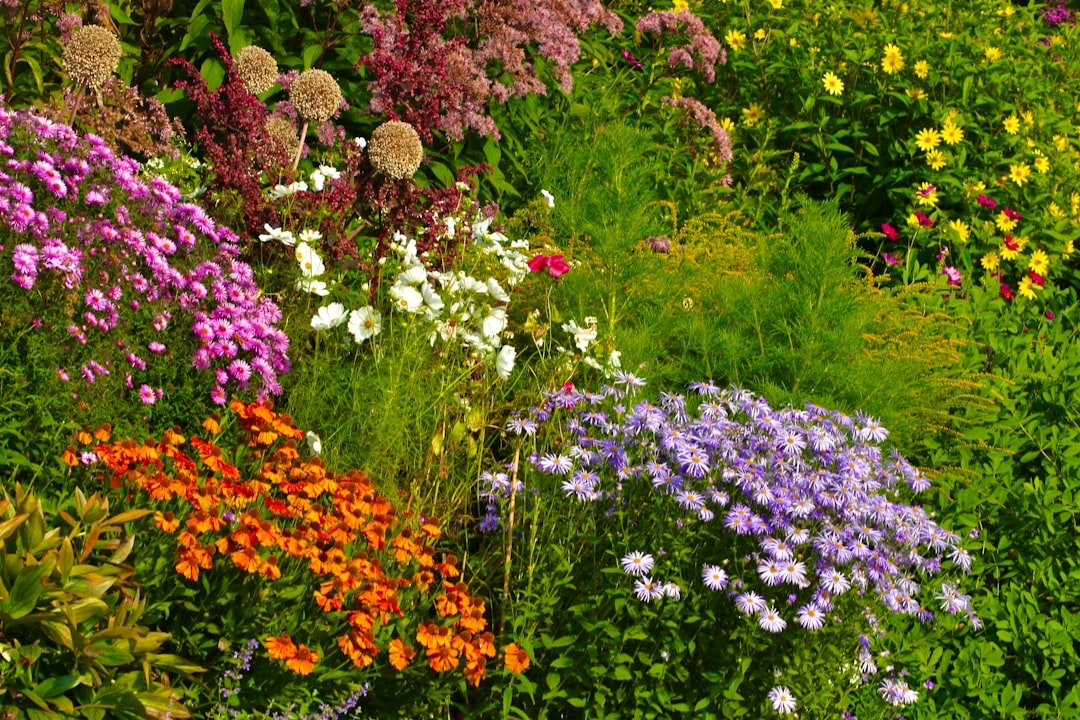
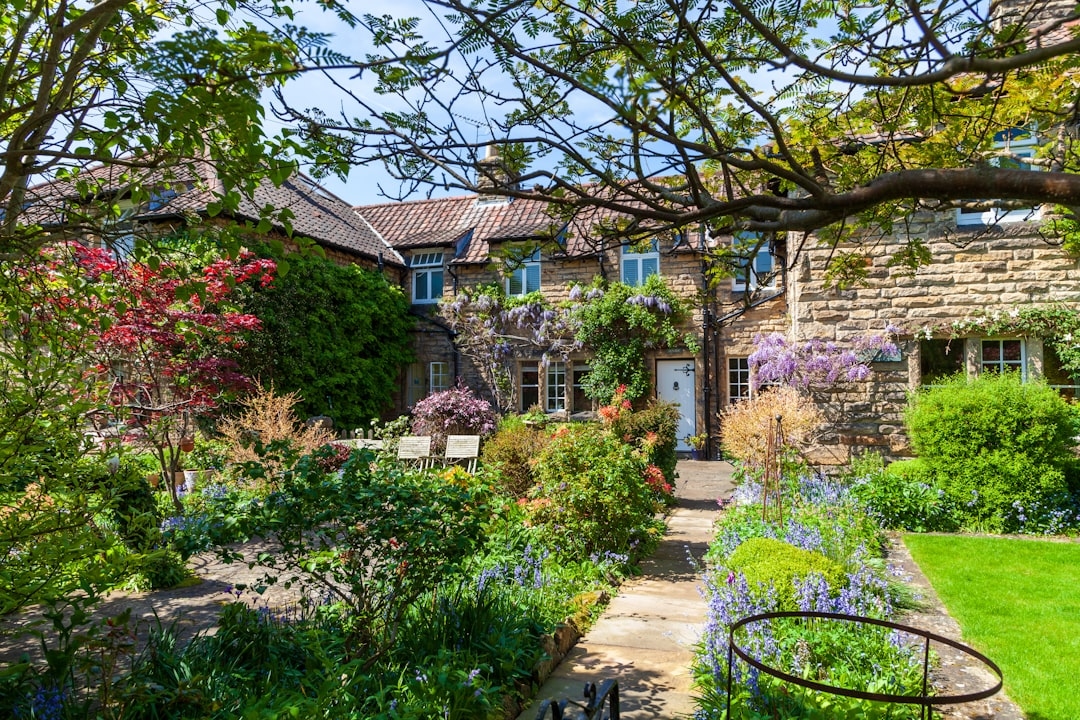
A cottage garden isn’t a wild meadow. It’s a densely planted, seemingly informal space where flowers jostle for attention without any one plant dominating. The style originated in rural England as a practical solution — small plots crammed with edibles, herbs, and ornamentals. Today, it translates beautifully to American front yards, suburban borders, and backyard retreats in USDA Hardiness Zones 3 through 9.
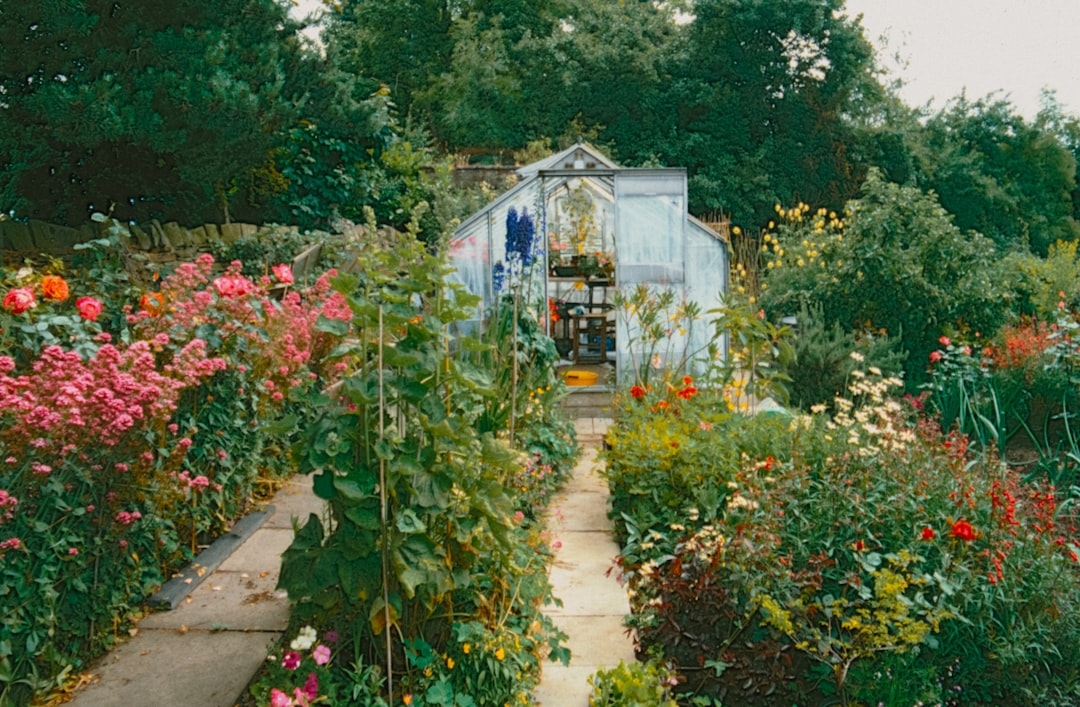
The key design principle is layering by height: tall plants like delphiniums (4–6 feet) at the back, mid-size bloomers like coneflowers (2–3 feet) in the middle, and low sprawlers like creeping thyme or alyssum along the edges. Without that structure, you get chaos instead of charm.
Color matters too. Classic cottage palettes lean on soft pinks, lavenders, creamy whites, and dusty blues — think pastels with occasional punches of deep magenta or rich burgundy. That said, hot-color schemes using red dahlias, orange marigolds, and golden rudbeckia work just as well if you commit to the palette fully.
Best Cottage Garden Flowers by Category
Perennials: The Backbone of Any Cottage Border
Perennials are your long-term investment. Plant them once and they return year after year, spreading slowly and filling gaps over time. These are the workhorses of cottage-style planting.
- Lavender (Lavandula angustifolia): Blooms June through August. Hardy in Zones 5–9. Grows 18–24 inches tall. Thrives in poor, well-drained soil — over-fertilizing reduces fragrance. ‘Hidcote’ and ‘Munstead’ are the most reliable American cultivars.
- Echinacea (Coneflower): Native to North America, hardy in Zones 3–9, and a magnet for pollinators. Blooms July through September. ‘Magnus’ won the Perennial Plant of the Year award and reaches 3 feet tall with 5-inch blooms.
- Salvia nemorosa (Meadow Sage): Compact, drought-tolerant, and repeat-blooming if deadheaded. ‘May Night’ produces vivid violet-blue spikes from May to June and again in late summer. Hardy Zones 4–8.
- Delphinium: The quintessential cottage flower. Towering spikes in true blue — a rare color in the garden. Requires staking and rich, moist soil. Hardy Zones 3–7. Best in cooler climates; struggles in the Deep South.
- Shasta Daisy (Leucanthemum × superbum): Classic white petals with yellow centers. Blooms June through August. ‘Becky’ is the most heat-tolerant cultivar, making it suitable for Zones 5–9.
Annuals: Fast Color and Season-Long Bloom
Annuals complete their life cycle in one season, which makes them both flexible and productive. A packet of seeds costing $3–$5 can fill an entire border. Use them to bridge gaps while perennials establish, or to maintain color through midsummer slumps.
- Cosmos (Cosmos bipinnatus): Feathery foliage and daisy-like blooms in pink, white, and magenta. Direct-sow after last frost. Self-seeds prolifically, returning reliably in subsequent years. Grows 3–4 feet tall with almost no care.
- Sweet William (Dianthus barbatus): Biennial often grown as an annual. Fragrant clusters in red, pink, white, and bicolor. Blooms May through June. About 18 inches tall. Plant in fall for spring blooms in Zones 5–9.
- Larkspur (Consolida ajacis): Annual cousin of delphinium. Tall spires in blue, purple, pink, and white. Direct-sow in early spring or fall in mild climates — it needs cool soil to germinate. Reseeds freely once established.
- Nigella (Love-in-a-Mist): Intricate, spidery blooms surrounded by feathery bracts. Blue is most common; ‘Miss Jekyll’ series offers clear sky-blue flowers. 12–18 inches tall. Sow directly in early spring; it dislikes transplanting.
Biennials Worth the Two-Year Wait
Biennials germinate and grow foliage the first year, then flower and set seed in their second. They demand patience but deliver some of the most beloved cottage flowers available.
- Foxglove (Digitalis purpurea): Tall spikes of tubular bells in purple, pink, cream, and white with spotted throats. Reaches 4–6 feet. Self-seeds generously. Hardy in Zones 4–8. Start seeds indoors 8–10 weeks before last frost for first-year blooms.
- Hollyhock (Alcea rosea): Old-fashioned stalwarts that can hit 8 feet tall. Single or double blooms in nearly every color. Prone to rust fungus — improve air circulation and avoid overhead watering. Zones 3–9.
- Wallflower (Erysimum cheiri): Intensely fragrant, early-blooming. Rich colors — deep orange, velvety red, butter yellow. Treat as a biennial in Zones 6–9; as a short-lived perennial in milder coastal areas.
Climbing and Scrambling Cottage Flowers
No cottage garden looks complete without something climbing a fence, tumbling over a wall, or scrambling through a shrub. Vertical planting adds dimension and uses space that would otherwise go to waste.
- Sweet Pea (Lathyrus odoratus): Possibly the most fragrant annual in existence. Sow seeds directly in April or start indoors 6 weeks earlier. Needs something to climb — a simple trellis or branchy twigs work fine. Harvest regularly to prolong blooming through July.
- Climbing Rose: Rosa ‘New Dawn’ is the gold standard for cottage style — blush pink, repeat-blooming, disease-resistant, and vigorous enough to cover a 12-foot fence. Hardy in Zones 5–9. Plant bare-root roses in early spring for best establishment.
- Clematis: Pair with roses for a classic combination. ‘Perle d’Azur’ (soft blue) or ‘Etoile Violette’ (deep purple) blooms on new wood — cut back hard in late February for best flowering. Zones 4–9.
Eco-Friendly Cottage Garden Flowers That Support Local Ecosystems
The cottage garden aesthetic aligns naturally with ecological gardening — dense planting reduces weeding, deep-rooted perennials improve soil structure, and a long bloom season provides nectar from May through October. But some choices outperform others.
Native plants integrated into a cottage scheme deliver outsized ecological benefits. Echinacea, rudbeckia, and native salvias support 10–17 times more pollinator species than their non-native equivalents, according to University of Delaware research. Replacing even 20% of your cottage planting with natives meaningfully boosts local bee and butterfly populations.
Avoid double-flowered cultivars of flowers like cosmos, echinacea, and marigolds for pollinator purposes — the extra petals block access to pollen and nectar. Stick with single-flowered forms wherever pollinators are a priority.
Letting cosmos, nigella, and larkspur go to seed rather than deadheading everything also reduces the need to buy new seed packets annually — a practical cost-saving strategy that doubles as wildlife habitat through winter.
Expert Picks: What a Professional Recommends
“The mistake most people make with cottage gardens is planting in clumps of one or two,” says Margaret Ellsworth, RHS-certified horticulturist and garden designer based in Portland, Oregon. “For that lush, abundant look, plant in odd-numbered groups of at least five — seven is better. And always repeat the same plant at least three times across the border. It creates rhythm without looking rigid.”
Ellsworth also recommends planting at least one fragrant variety per 10 square feet of border. Top performers for scent: sweet peas, old-fashioned roses, lavender, sweet William, and stocks (Matthiola incana). Fragrance transforms a garden from something you look at into something you inhabit.
Practical Tips for Planning and Planting
- Bloom time mapping: Aim for at least three plants per season — spring, summer, and fall. A typical cottage sequence: tulips and wallflowers in April, roses and salvia in June, cosmos and echinacea in August, dahlias and asters in September.
- Spacing: Cottage gardens are intentionally dense. Space most perennials at 60–70% of their mature spread rather than the full recommended spacing. They fill in faster and crowd out weeds more effectively.
- Soil prep: One application of well-rotted compost (2–3 inches) worked into the top 12 inches before planting does more for long-term success than any fertilizer program.
- Deadheading strategy: Deadhead roses, salvia, and delphiniums for repeat bloom. Leave echinacea, rudbeckia, and ornamental grasses for winter interest and bird food.
- Budget approach: Start with 3–4 reliable perennials as your anchors (expect to spend $8–$15 per plant at a local nursery), then fill gaps with direct-sown annuals from seed. A 500-square-foot border can be planted for under $150 this way.
Frequently Asked Questions About Cottage Garden Flowers
What are the easiest cottage garden flowers for beginners?
Cosmos, echinacea, salvia, and shasta daisies are the most forgiving choices. All tolerate average soil, resist most pests, and recover from neglect. Direct-sow cosmos after last frost and plant echinacea and salvia as nursery starts for the fastest results.
How do I get my cottage garden to look full in the first year?
Fill gaps between newly planted perennials with fast-growing annuals like cosmos, larkspur, and nigella. They germinate in 7–14 days and bloom within 8–10 weeks of sowing. Perennials typically hit full size in their second or third year.
Which cottage garden flowers grow in shade?
Foxglove performs well in partial shade (3–4 hours of sun). Astilbe, bleeding heart (Dicentra spectabilis), and hardy geraniums also suit shaded cottage borders. Avoid full-shade planting for most classic cottage flowers — they need at least 6 hours of direct sun.
Are cottage garden flowers deer-resistant?
Lavender, salvia, foxglove, and sweet William are reliably deer-resistant due to their strong scents or bitter taste. Roses, delphiniums, and hollyhocks are vulnerable. If deer pressure is high, build your palette around the resistant species and protect vulnerable ones with physical barriers.
When should I start planning and planting a cottage garden?
Plan on paper in winter, start seeds indoors in February–March, and begin outdoor planting after last frost (typically April–May depending on zone). For biennials like foxglove and hollyhock, sow seed in June–July to bloom the following summer.
Build Your Cottage Garden One Season at a Time
You don’t need to plant everything at once. Start with three strong perennials that suit your zone, fill the first season with direct-sown annuals, and add biennials in the second year. By year three, a well-planned cottage border largely takes care of itself — seeding, spreading, and renewing with minimal intervention. That’s not laziness. That’s good design working the way it should.