
Contents:
- Why Do Some Flowers Change Color?
- The Best Flowers That Change Color (and How to Grow Them)
- Hydrangeas: The Most Controllable Color Shift
- Lantana: The Multicolor Bloomer
- Roses: Temperature-Driven Color Variation
- Morning Glory: Light-Responsive Pigment
- Balloon Flower and Lungwort: Lesser-Known Shifters
- Flowers That Change Color vs. Flowers That Simply Fade
- Practical Tips for Growing Color-Changing Flowers Successfully
- Frequently Asked Questions
- Can you make any flower change color?
- How long does it take for hydrangeas to change color after soil amendment?
- Do flowers change color when cut and placed in dyed water?
- Are color-changing flowers harder to grow than standard varieties?
- Which color-changing flower is best for a beginner?
- Ready to Add Some Color Dynamics to Your Garden?
Hydrangeas can shift from vivid blue to dusty pink — or back again — simply by altering the pH of your soil. No dye, no tricks. That single fact surprises most gardeners the first time they hear it, but it’s just the beginning. Several common garden plants pull off genuine color transformations, and understanding why they do it puts you in the driver’s seat.
This isn’t about flowers that fade as they die. That’s a different conversation. This is about blooms that actively change hue mid-season, shift with temperature, or respond to their growing environment in ways you can actually control. If you’re trying to decide which color-changing flowers are worth growing — or just want to understand what’s happening in your garden — here’s what you need to know.
Why Do Some Flowers Change Color?
Plant pigments are more dynamic than most people realize. The main players are anthocyanins (responsible for reds, purples, and blues), carotenoids (yellows and oranges), and chlorophyll (green). When any of these shift in concentration or react with their chemical environment, the visible color changes.
There are three main mechanisms behind flowers that change color:
- Soil chemistry: Aluminum ion availability, driven by soil pH, determines whether anthocyanins in certain flowers express as blue or pink.
- Temperature fluctuations: Cool nights can intensify or shift pigmentation in some varieties, particularly roses and certain tulips.
- Age and pollination status: Some flowers signal pollinators by changing color after they’ve been visited — a biological “closed” sign that redirects bees to fresher blooms.
Each mechanism is distinct, and the variety you’re growing determines which one applies. Choosing the right plant for the right reason matters more than most gardening guides acknowledge.
The Best Flowers That Change Color (and How to Grow Them)
Hydrangeas: The Most Controllable Color Shift
Bigleaf hydrangeas (Hydrangea macrophylla) are the gold standard for flowers that change color on demand. Their flower color is determined by soil pH — specifically, whether aluminum ions are available for uptake. At a soil pH below 6.0, plants absorb aluminum and produce blue flowers. Above 7.0, aluminum is locked out and flowers turn pink. The 6.0–7.0 range often yields purple or mixed tones.
To push toward blue: apply aluminum sulfate at a rate of 1 tablespoon per gallon of water, applied monthly during the growing season. To go pink: add garden lime to raise pH above 7.0. Results typically take one full growing season to fully develop. White-flowering varieties like ‘Annabelle’ don’t respond to pH at all — their pigment pathway is different.
Regional note: In the Southeast, naturally acidic soils mean hydrangeas often default to blue with no amendments. In the Northeast, soil pH varies widely by county — test before you treat. On the West Coast, particularly in the Pacific Northwest, the mild, humid climate produces some of the most saturated hydrangea colors in the country, often without much intervention.
Lantana: The Multicolor Bloomer
Lantana (Lantana camara) doesn’t just change color — individual flower clusters contain blooms at different stages simultaneously, creating a mosaic of yellow, orange, red, and pink on a single head. Young florets open yellow; as they age and are pollinated, they deepen to orange, then red. The plant is essentially displaying its entire timeline at once.
This makes lantana one of the most visually complex summer performers in the garden. It’s also a magnet for butterflies precisely because the color gradient signals which florets still have nectar. Zones 8–11 can grow it as a perennial; elsewhere, treat it as an annual or overwinter it indoors.
Roses: Temperature-Driven Color Variation
Not all roses change color, but certain varieties — particularly those in the red and pink spectrum — show measurable color shifts with temperature. Cooler temperatures (below 60°F at night) often intensify pigmentation, producing deeper, more saturated reds and pinks. Warm summer nights can wash out the same blooms to a paler, sometimes salmon tone.
‘Chrysler Imperial’ and ‘Mr. Lincoln’ are classic examples of roses that look dramatically different from a spring flush to a midsummer bloom. If you’re growing roses for consistent color in cut flower arrangements, this is worth tracking — keep notes on which flushes produce your preferred tone.
Morning Glory: Light-Responsive Pigment
Morning glories (Ipomoea tricolor) open blue in the morning and gradually shift toward purple or reddish-purple as the day progresses. The change is driven by rising temperatures and the accumulation of carbon dioxide within the flower, which alters cellular pH and affects anthocyanin expression. ‘Heavenly Blue’ is the variety most associated with this phenomenon.
The shift happens over a few hours and is most visible when you compare an early-morning flower to one photographed at noon. At around 70°F, the shift is subtle; on days above 85°F, the transition is noticeably faster.
Balloon Flower and Lungwort: Lesser-Known Shifters
Lungwort (Pulmonaria) opens with pink flowers that shift to blue as the blooms mature — a classic example of pollination-driven color change. Balloon flower (Platycodon grandiflorus) buds display a deeper violet-blue that lightens as the flower fully opens. Neither is as dramatic as hydrangeas, but both are low-maintenance perennials that add genuine visual interest to shade gardens in Zones 3–8.
Flowers That Change Color vs. Flowers That Simply Fade
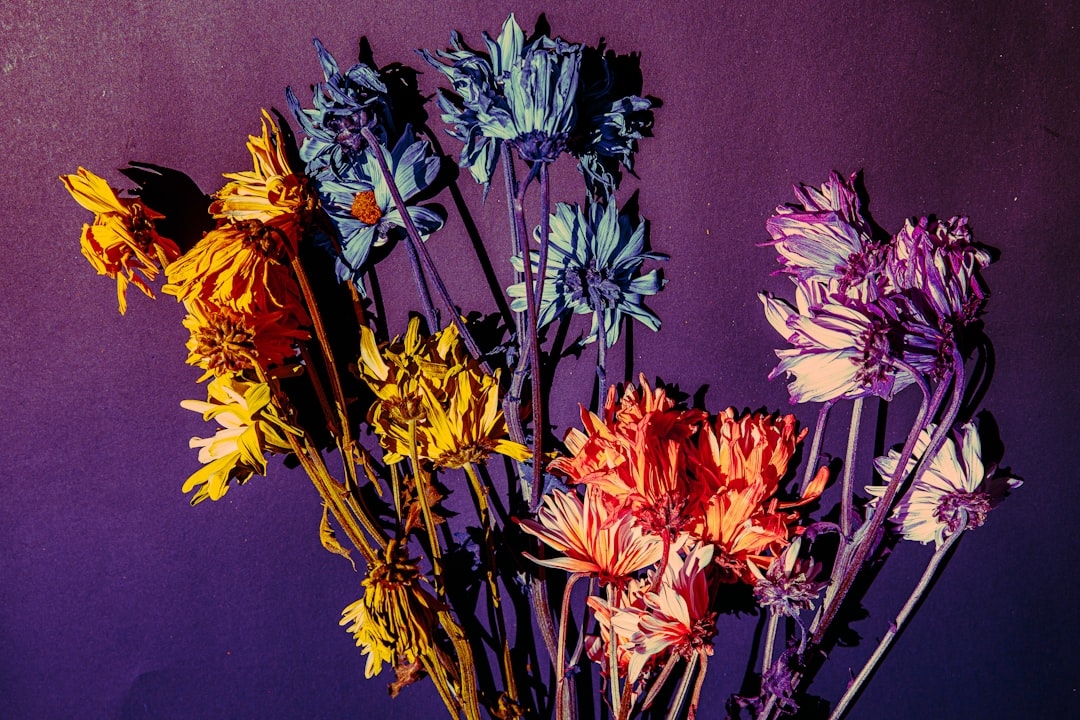
This is a common source of confusion. Many flowers bleach out or fade as they age — that’s pigment degradation from UV exposure, not a true color change. Fading is passive. True color-changing flowers undergo active biochemical shifts driven by pH, temperature, pollination, or enzyme activity.
Petunias, for example, fade significantly in full summer sun. That’s not a color change — it’s pigment breakdown. Contrast that with lantana, where the darkening of florets is an intentional biological signal. If a flower you’re researching “changes color” only as it dies, that’s fading. A flower that shifts color mid-bloom or mid-season is doing something fundamentally different.
Practical Tips for Growing Color-Changing Flowers Successfully
- Test your soil before amending. A basic pH test kit (under $15 at most garden centers) takes the guesswork out of hydrangea color management. Treat the symptom, not the assumption.
- Water consistently. Stress-induced color variation in roses and morning glories is usually undesirable. Consistent moisture keeps pigment expression stable.
- Plant lantana after last frost. It’s cold-sensitive. Soil temperature below 55°F stunts establishment and delays the color display by weeks.
- Accept the process with hydrangeas. Amending soil pH takes time. Don’t over-apply aluminum sulfate chasing immediate results — excess aluminum is toxic to roots.
- Track your results. Keep a simple garden journal noting bloom color, date, recent weather, and any amendments. One season of data is worth more than a dozen gardening articles.
What the Pros Know: Commercial hydrangea growers don’t rely on soil amendments alone. They use controlled irrigation with pH-adjusted water — typically targeting 5.5 for blue production — and apply chelated iron to prevent chlorosis when using acidifying agents. For home gardeners, the practical takeaway is this: if your soil amendments aren’t producing the color shift you expected, check your water pH too. Tap water in many US municipalities runs alkaline (7.5–8.5), which can counteract your acidification efforts at the root zone.
Frequently Asked Questions
Can you make any flower change color?
No. Only specific varieties with the right pigment pathways respond to environmental inputs like soil pH or temperature. Most flowers have fixed pigmentation determined entirely by genetics. Hydrangeas, lantana, morning glories, and lungwort are among the few that undergo true color changes.
How long does it take for hydrangeas to change color after soil amendment?
Typically one full growing season. Amending in fall sets up the following spring’s bloom cycle. Mid-season amendments may show partial results but rarely produce a complete shift until the next year’s flowers develop.
Do flowers change color when cut and placed in dyed water?
Yes — white flowers like carnations, daisies, and Queen Anne’s lace will absorb colored water through their stems and tint their petals. This is a mechanical dye uptake, not a biological color-change process. It’s temporary and fades as the flower dries.
Are color-changing flowers harder to grow than standard varieties?
Not necessarily. Lantana and morning glories are straightforward annuals. Hydrangeas require soil management if you want to control their color, but they’re otherwise tough, low-maintenance shrubs. The complexity is in the color management, not the cultivation basics.
Which color-changing flower is best for a beginner?
Lantana is the easiest starting point. It requires no special soil management, performs well in heat, and delivers its multicolor display automatically. Grow it in full sun, water when dry, and it handles the color show on its own.
Ready to Add Some Color Dynamics to Your Garden?
Start with a soil test if hydrangeas are on your list — it’s the single highest-leverage action you can take before planting. If you want low-effort drama, put lantana in a hot, sunny spot and step back. For something that rewards close observation, morning glories on a trellis near a window let you watch the shift happen in real time.
Color-changing flowers aren’t gimmicks. They’re plants doing real biological work, and understanding that work makes you a sharper, more intentional gardener. Pick one variety, grow it well, and pay attention. You’ll learn more from one season of hands-on observation than from any amount of research.