


Contents:
- Why Flowers Bloom and Smell at Night
- The Best Night Blooming Fragrant Flowers for Small Spaces
- Moonflower (Ipomoea alba)
- Night-Blooming Jasmine (Cestrum nocturnum)
- Evening Primrose (Oenothera biennis)
- Four O’Clocks (Mirabilis jalapa)
- Tuberose (Polianthes tuberosa)
- Night Bloomers vs. Day Bloomers: A Common Confusion
- Practical Tips for Growing Night Bloomers in Limited Space
- Frequently Asked Questions
- What is the most fragrant night blooming flower?
- Can night blooming flowers grow in apartments without a balcony?
- Are night blooming fragrant flowers toxic to pets?
- How long do night blooming flowers last?
- When do night blooming flowers start to smell?
- Start Small, Then Expand
Most people assume night blooming fragrant flowers are exotic, finicky, or hard to find. That’s a myth worth correcting immediately. Many of these plants are drought-tolerant, container-friendly, and available at any decent nursery for under $15. The challenge isn’t growing them — it’s knowing which ones are worth your windowsill and which ones are overhyped.
This guide cuts through the noise. You’ll find out which plants actually deliver on fragrance after dark, how to keep them alive in tight quarters, and what to avoid if you’ve been burned by disappointment before.
Why Flowers Bloom and Smell at Night
Night-blooming plants evolved their fragrance as a strategy, not an aesthetic choice. They’re targeting nocturnal pollinators — moths, bats, and certain beetles — rather than bees. Since these pollinators navigate by scent rather than color, the plants pour their energy into volatile aromatic compounds called terpenoids and benzyl acetate instead of pigment.
That’s why many night bloomers are white or pale yellow. Color is irrelevant in the dark. Scent is everything. This also explains why the fragrance intensifies after sunset — warmer daytime temperatures suppress the release of aromatic compounds, while the cooler night air allows them to linger closer to the ground and reach pollinators more effectively.
For apartment gardeners, this biology works in your favor. You don’t need a large garden bed. A single pot near an open window or on a balcony can fill a room with scent by 9 PM.
The Best Night Blooming Fragrant Flowers for Small Spaces
Moonflower (Ipomoea alba)
Moonflower is the heavy hitter. Each bloom is 4 to 6 inches across, opens within minutes after dusk, and releases a sweet, vanilla-like fragrance that carries 10 to 15 feet in still air. It’s a vine, which makes it perfect for trellises, balcony railings, or a tomato cage in a 5-gallon pot. It grows fast — up to 10 feet in a single season — so you’ll have blooms within 60 to 90 days of sowing from seed.
Hardy in USDA zones 10–12 as a perennial, but widely grown as an annual across most of the US. Direct sow after the last frost date, or start indoors 4 to 6 weeks early. Nick the seeds before planting to speed germination.
Night-Blooming Jasmine (Cestrum nocturnum)
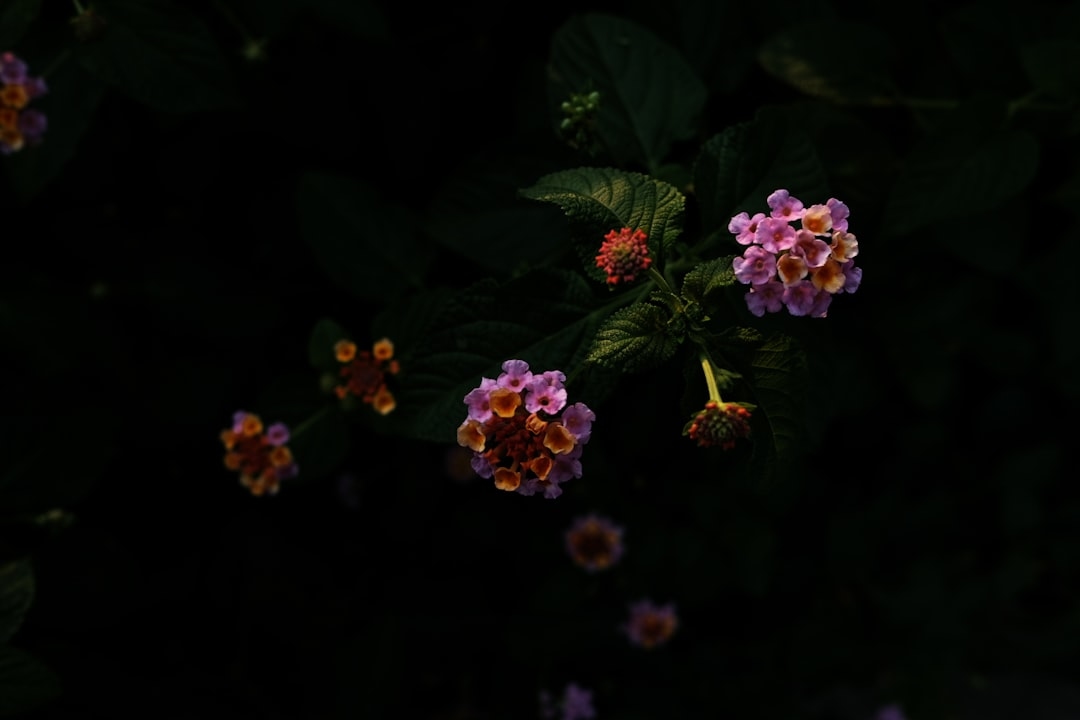
If one plant wins on scent-per-square-foot, it’s this one. Night-blooming jasmine can fragrance an entire city block on a calm night — not an exaggeration, and not always a compliment to neighbors. In a container on a balcony, the scent is intoxicating rather than overwhelming. Clusters of small, tubular white-green flowers bloom repeatedly from spring through fall in zones 8–11.
Keep it in a 10 to 12-inch pot with well-draining soil. It tolerates being root-bound and actually blooms more prolifically under mild stress. Height stays manageable — 3 to 4 feet — with light pruning after each bloom cycle.
Evening Primrose (Oenothera biennis)
Underrated and underused. Evening primrose opens its bright yellow flowers at sunset and closes them by mid-morning. The scent is light and lemony — not heavy, not cloying. It’s the right choice if you want fragrance without sensory overload. Grows 2 to 5 feet tall, handles poor soil, and reseeds prolifically. One plant can become a self-sustaining colony in a large container or a small raised bed.
Native to North America. Biennial in most zones (3–9), meaning it flowers in its second year. Buy established plants if you want blooms the first season.
Four O’Clocks (Mirabilis jalapa)
Named for when they open — reliably between 4 and 6 PM. The fragrance is citrusy with a slight spicy note, strongest in the first two hours after opening. They come in magenta, yellow, white, and bicolor, and a single plant can produce hundreds of blooms over a season. Tuberous roots survive winter in zones 7–10 and can be dug up and stored like dahlias in colder climates.
Perfect for containers. Grow them in a 6 to 8-inch pot and expect plants to reach 18 to 24 inches in height. Full sun to part shade; very tolerant of heat.
Tuberose (Polianthes tuberosa)
Tuberose is used in perfumery for a reason. It’s rich, creamy, and complex — often described as a cross between gardenia and lily, with a waxy depth that neither has alone. Spikes can reach 3 feet tall and hold 30 or more individual florets that open from bottom to top over several weeks. The fragrance is strongest from 8 PM to midnight.
Plant bulbs (technically rhizomes) in spring after soil reaches 60°F. Needs a long, warm growing season — zones 8–10 are ideal, but it performs well as an annual in zones 5–7. One spike in a small room is enough.
Night Bloomers vs. Day Bloomers: A Common Confusion
Gardenia is the flower most commonly confused with night-blooming jasmine. Both are white, both are intensely fragrant, and both are sold as “fragrant container plants” at garden centers. The difference matters if you’re optimizing for evening scent.
Gardenia (Gardenia jasminoides) blooms during the day, with peak fragrance in the morning. It’s also notoriously difficult — demanding high humidity, consistent moisture, acidic soil (pH 5.0–6.0), and protection from temperature swings. For apartment growers, it’s a commitment.
Night-blooming jasmine delivers stronger evening scent, requires far less fuss, and tolerates drier conditions. If someone at a nursery points you toward gardenia as an alternative to night-blooming plants, they’re solving a different problem than the one you have.
Practical Tips for Growing Night Bloomers in Limited Space
- Choose the right pot size: Most of these plants need at least a 5-gallon container. Going smaller restricts root growth and reduces blooming. Moonflower and night-blooming jasmine both benefit from a 7 to 10-gallon container if you want maximum flower production.
- Use a fast-draining mix: Combine standard potting soil with 20–30% perlite. Night bloomers hate wet feet. Root rot is the number one killer in containers.
- Position near your outdoor space: Place pots within 6 feet of where you sit in the evening. Fragrance dissipates quickly in moving air, so distance matters more than you’d think.
- Feed lightly but consistently: A low-nitrogen, bloom-boosting fertilizer (look for higher phosphorus numbers, like 5-10-5) applied every 3 to 4 weeks during the growing season supports repeat blooming without excessive leafy growth.
- Don’t bring tuberose or four o’clocks indoors permanently: Both need full sun (6+ hours) to bloom well. A sunny south-facing balcony works; a dim apartment window does not.
Frequently Asked Questions
What is the most fragrant night blooming flower?
Night-blooming jasmine (Cestrum nocturnum) produces the strongest fragrance of any commonly grown night bloomer. Its scent can travel up to 300 to 500 feet on a calm night. Tuberose is a close second and is preferred by those who want a more refined, perfume-like scent.
Can night blooming flowers grow in apartments without a balcony?
It’s possible but limited. Evening primrose and four o’clocks can grow on a south-facing indoor windowsill if they receive 6 or more hours of direct sunlight. Moonflower and night-blooming jasmine need outdoor sun to bloom reliably. A grow light rated at 4,000–6,500K can supplement for shorter plants, but results vary.
Are night blooming fragrant flowers toxic to pets?
Several are. Night-blooming jasmine (Cestrum nocturnum) is toxic to dogs and cats if ingested. Four o’clocks are also toxic to pets and humans. Moonflower seeds and sap are toxic if ingested. Evening primrose is generally considered safe. Always check the ASPCA’s toxic plant database before placing any plant where pets can access it.
How long do night blooming flowers last?
Individual blooms on moonflower last a single night — they close at sunrise and drop within 24 hours. Four o’clocks and evening primrose blooms last 12 to 18 hours. Night-blooming jasmine flowers are small but numerous, and the plant blooms in cycles throughout the season, so you get fragrance over weeks rather than from individual long-lived flowers.
When do night blooming flowers start to smell?
Most activate their fragrance within 30 to 60 minutes of sunset. Tuberose and night-blooming jasmine are usually detectable by 8 PM. Four o’clocks begin releasing scent as early as 4–5 PM. Peak fragrance for most species falls between 9 PM and midnight, when nocturnal pollinators are most active.
Start Small, Then Expand
Pick one plant this season. Night-blooming jasmine in a 10-inch pot on a balcony is enough to transform your evenings from late spring through fall. Seed a moonflower along a railing at the same time, and you’ll have two completely different fragrance profiles working together by midsummer — one subtle and vanilla-sweet, one almost narcotic in its intensity.
Once you’ve grown one successfully, adding tuberose or four o’clocks the following year is a natural progression. The learning curve is short. The payoff — stepping outside at dusk into a wall of fragrance — is immediate and repeatable, season after season.