
Contents:
- Why Sandy Soil Feels Frustrating (But Doesn’t Have To Be)
- The Best Sandy Soil Flowers for Beginners
- Lavender (Lavandula angustifolia)
- Blanket Flower (Gaillardia)
- Black-Eyed Susan (Rudbeckia hirta)
- Portulaca (Moss Rose)
- Coneflower (Echinacea purpurea)
- California Poppy (Eschscholzia californica)
- Regional Differences: Location Changes Everything
- Practical Tips for Planting in Sandy Soil
- FAQ: Sandy Soil Flowers
- What flowers grow best in sandy soil?
- Can I improve sandy soil for flowers?
- Do roses grow in sandy soil?
- How do I know if my soil is too sandy?
- Are sandy soil flowers good for pollinators?
- Ready to Plant? Start Small and Build From There
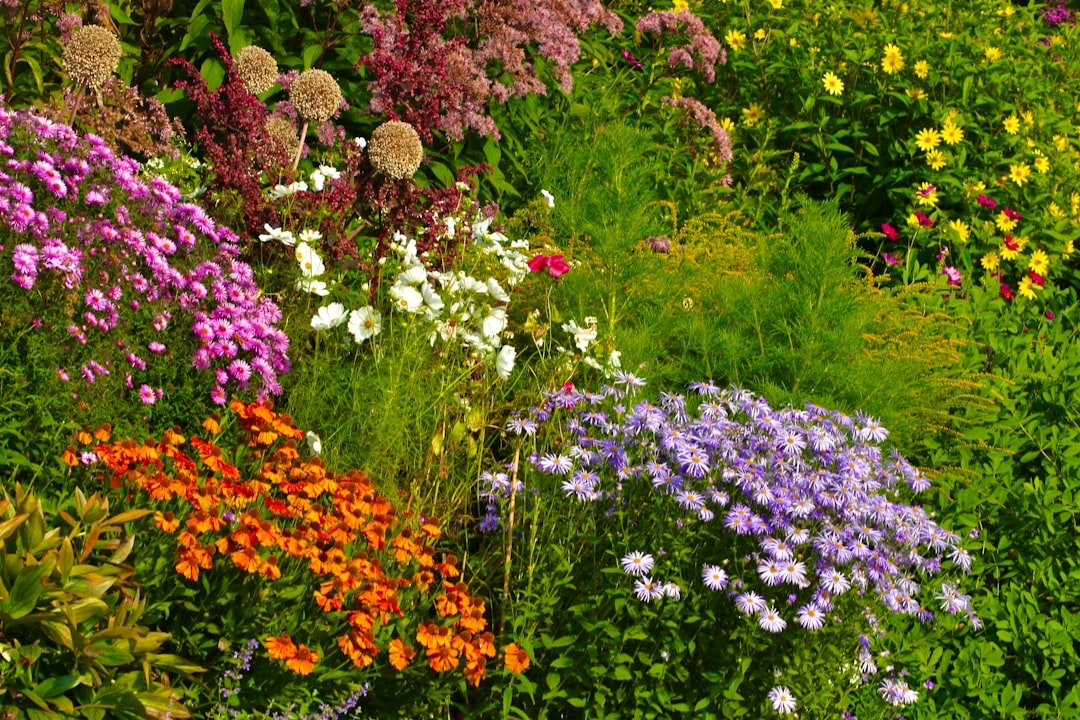
Sandy soil flowers are not a compromise — they’re a category of genuinely beautiful plants that happen to love the conditions that defeat other gardens. If you’ve been struggling to grow anything in your gritty, fast-draining ground, you’re not doing it wrong. You just haven’t been introduced to the right flowers yet.
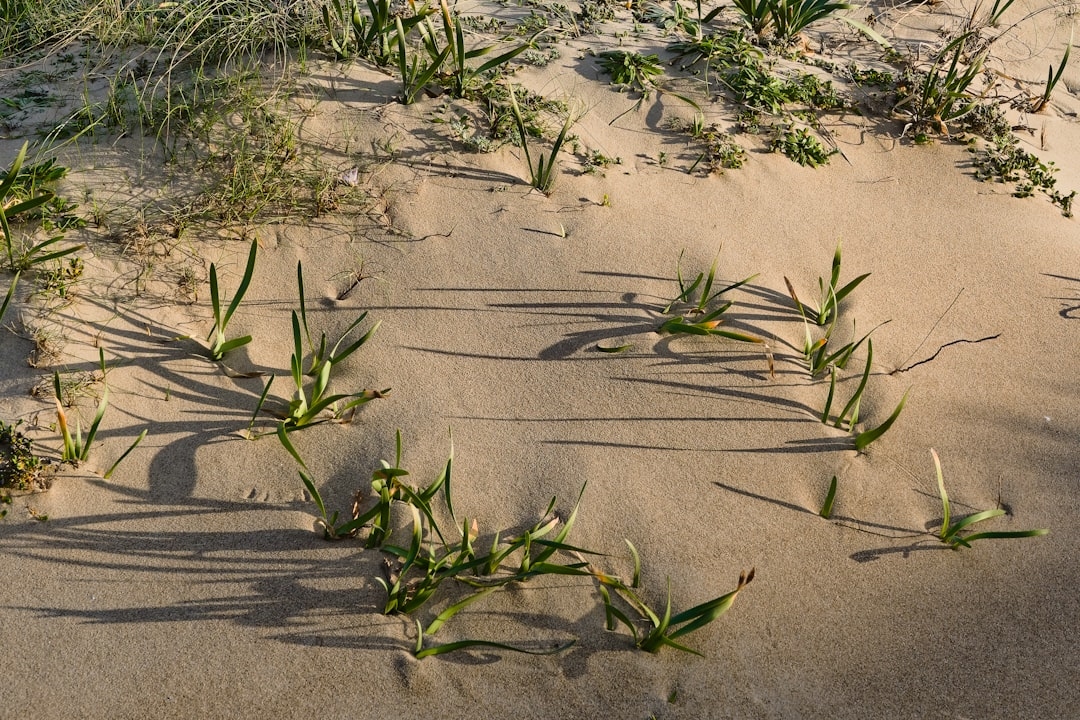
Sandy soil drains so quickly that most moisture is gone within hours of watering. It’s low in nutrients, warms up fast in spring, and can feel almost hostile to traditional garden plants. But here’s the thing: dozens of flowering plants have evolved specifically for these conditions. They don’t just survive — they thrive.
Why Sandy Soil Feels Frustrating (But Doesn’t Have To Be)
Most beginner gardeners assume rich, dark soil is the goal. Bags of compost at the hardware store reinforce this idea. But sandy soil has real advantages: it rarely gets waterlogged, roots can penetrate it easily, and it heats up quickly in spring — giving you an earlier start to the growing season than your clay-soil neighbors get.
The challenge is that sandy soil holds almost no moisture and loses nutrients fast. Anything you plant needs to either be drought-tolerant by nature or get consistent supplemental watering until it establishes. Most of the flowers below handle this on their own once they’re settled in — usually after the first season.
The Best Sandy Soil Flowers for Beginners
Lavender (Lavandula angustifolia)
Lavender is the poster child for sandy, well-drained conditions. It originates from the rocky Mediterranean hillsides of southern Europe, where poor, dry soil is the norm. Plant it in USDA zones 5–8, give it full sun (at least 6 hours daily), and watch it outperform almost anything else in your sandy bed. Space plants 18–24 inches apart. ‘Hidcote’ and ‘Munstead’ are the most forgiving varieties for first-timers.
Blanket Flower (Gaillardia)
Blanket flowers are North American natives — they already know how to handle heat, drought, and poor soil. They bloom in fiery reds, oranges, and yellows from late spring all the way through the first frost. A single plant typically spreads 12–18 inches wide. They reseed readily, meaning you may get free plants the following year with zero effort.
Black-Eyed Susan (Rudbeckia hirta)
Few flowers are more cheerful or more adaptable. Black-eyed Susans grow 2–3 feet tall, tolerate drought once established, and attract pollinators from midsummer to fall. They’re one of the easiest flowers to grow from seed directly in sandy soil — scatter them in early spring after your last frost date and water lightly until sprouts appear.
Portulaca (Moss Rose)
If your sandy soil gets brutal summer heat and you forget to water regularly, portulaca is your best friend. This low-growing annual — usually under 6 inches tall — produces jewel-bright flowers in pink, orange, red, and yellow. It actually performs worse in rich soil, making it perfectly calibrated for sandy beds.
Coneflower (Echinacea purpurea)
Coneflowers are long-lived perennials that establish easily in sandy soil and come back stronger each year. They grow 2–4 feet tall and bloom from midsummer into fall. The seed heads feed birds through winter if you leave them standing — a two-for-one benefit for any beginner garden.
California Poppy (Eschscholzia californica)
California poppies reseed prolifically and genuinely prefer poor, sandy, or gravelly soil. They don’t like to be transplanted, so scatter seeds directly where you want them to grow. They bloom in 60–90 days from seed and come in classic orange as well as cream, pink, and red varieties.
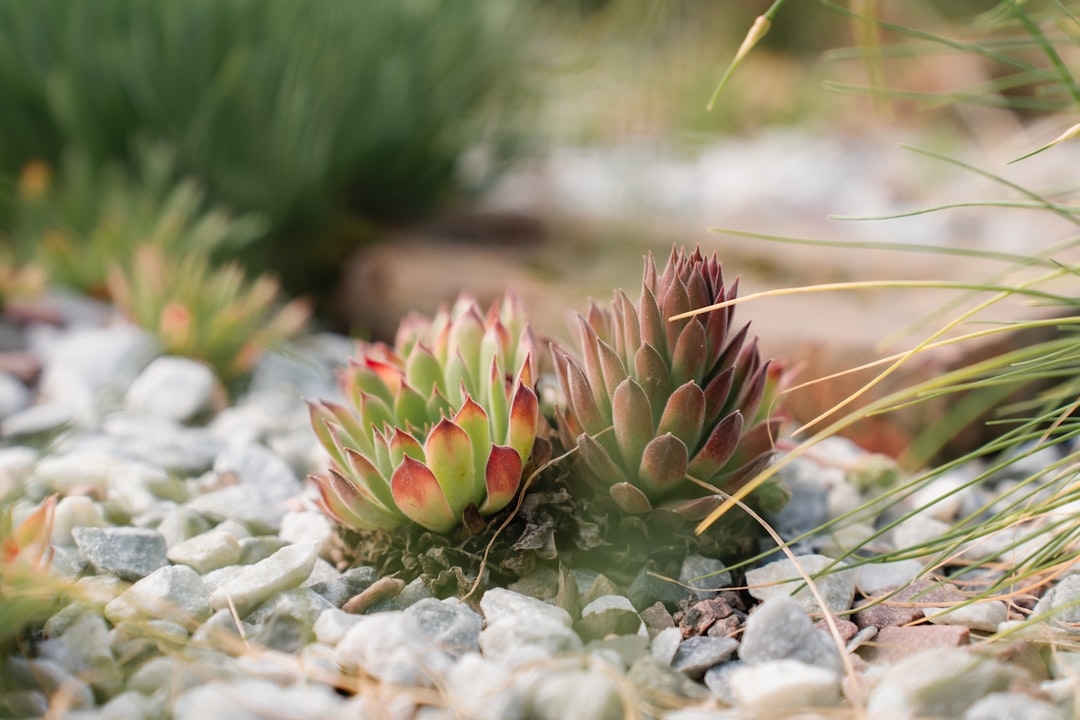
What the Pros Know: Most experienced gardeners with sandy soil stop trying to fix it with constant amendments and instead build what landscape designers call a “dry garden.” They group drought-tolerant, sandy-soil plants together, mulch with gravel instead of bark (which retains too much moisture), and design specifically around the soil they have. The result is lower maintenance and far fewer plant losses.
Regional Differences: Location Changes Everything
Where you garden shapes which sandy-soil flowers perform best for you.
- Northeast (zones 5–6): Lavender, coneflower, and black-eyed Susans are workhorses here. Your winters are cold enough to kill some Mediterranean plants, so stick with cold-hardy varieties. ‘Munstead’ lavender survives zone 5 winters reliably.
- Southeast and Gulf Coast (zones 7–9): Sandy coastal soils in Florida, Georgia, and the Carolinas are common. Blanket flower, portulaca, and lantana love the heat. Avoid lavender in zone 9 — it struggles with humidity combined with heat.
- West Coast (zones 8–10): California poppies are natives and require almost no care. Yarrow, salvia, and rockrose all perform beautifully in Pacific sandy soils with dry summers. Low summer rainfall is actually an asset here.
- Southwest (zones 7–10): Desert-adjacent sandy soils suit globe mallow, desert marigold, and penstemon. These are tough enough to handle soil that barely registers on a moisture meter.
Practical Tips for Planting in Sandy Soil
You don’t need to overhaul your soil to grow beautiful flowers — but a few small adjustments at planting time make a real difference.
- Add a single round of compost at planting time. Mix about 2–3 inches of compost into the top 6 inches of your planting hole. This isn’t to make your soil permanently rich — it’s just to give roots a boost while they establish. Don’t repeat it every year for drought-tolerant plants; it can actually make them weaker.
- Water deeply but infrequently. Sandy soil drains fast, so shallow daily watering mostly evaporates. Water thoroughly 2–3 times per week for the first month, then gradually reduce. Most of the flowers listed above need little to no supplemental water once established (usually after 6–8 weeks).
- Mulch to slow evaporation. A 2-inch layer of mulch over the root zone slows moisture loss significantly. For sandy soil, fine bark or gravel mulch both work. Avoid heavy wood chips around lavender and portulaca — they prefer drier crowns.
- Skip the heavy fertilizer. High-nitrogen fertilizers push leafy growth at the expense of flowers in drought-adapted plants. If you fertilize at all, use a low-nitrogen, phosphorus-focused formula (look for numbers like 5-10-5 on the bag) once in early spring.
FAQ: Sandy Soil Flowers
What flowers grow best in sandy soil?
Lavender, blanket flower, black-eyed Susan, portulaca, coneflower, and California poppy are among the most reliable sandy soil flowers. All tolerate fast drainage and low-nutrient conditions, and most are drought-tolerant once established.
Can I improve sandy soil for flowers?
Yes, but the most effective approach is a one-time addition of 2–3 inches of compost at planting rather than repeated amendments. Over-amending can actually harm drought-adapted plants that are calibrated for lean soil conditions.
Do roses grow in sandy soil?
Most hybrid roses struggle in sandy soil because they need consistent moisture and nutrients. However, rugosa roses (Rosa rugosa) are a notable exception — they were bred for coastal, sandy conditions and thrive with minimal intervention in zones 3–9.
How do I know if my soil is too sandy?
Squeeze a handful of moist soil. If it falls apart immediately and won’t hold a shape at all, it’s high in sand. Sandy soil also dries out visibly within 1–2 hours after watering in warm weather. A simple soil test kit ($10–$15 at most garden centers) can confirm the composition.
Are sandy soil flowers good for pollinators?
Many of the best sandy soil flowers are also top pollinator plants. Lavender, coneflower, black-eyed Susan, and blanket flower all rank highly for attracting bees and butterflies. Planting a mix of these creates a pollinator habitat that blooms from late spring through fall.
Ready to Plant? Start Small and Build From There
Pick two or three flowers from this list — ideally one annual like portulaca for quick color and one perennial like coneflower for long-term return. Plant them this season, watch how they perform in your specific patch of sandy ground, and expand from there. The gardeners with the most beautiful sandy-soil beds didn’t start with a master plan. They started with a few plants that worked, then did more of what was already working.
Your soil isn’t the problem. It’s the starting point.