


Contents:
- Why Border and Edging Plants Are a Category of Their Own
- Best Border Edging Flowers for Beginners
- Marigolds (Tagetes patula)
- Alyssum (Lobularia maritima)
- Dianthus (Dianthus chinensis)
- Lobelia (Lobelia erinus)
- Dusty Miller (Senecio cineraria)
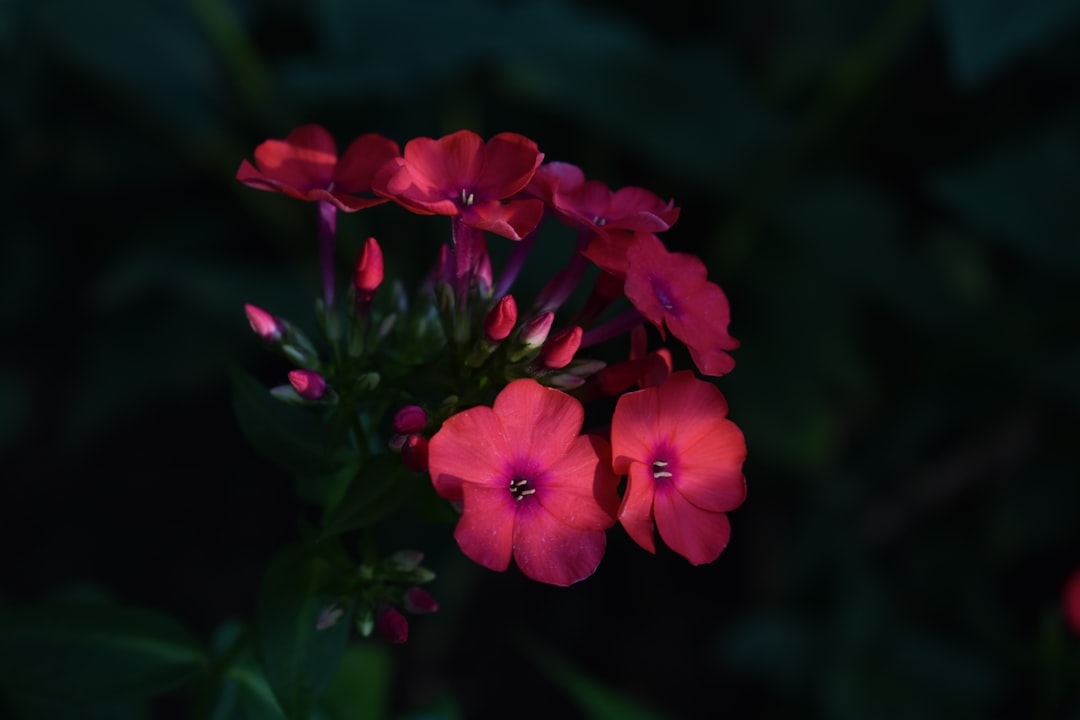
- Creeping Phlox (Phlox subulata)
- Practical Tips for Planting a Flower Border
- Common Mistakes to Avoid
- A Reader’s Experience Worth Knowing
- Choosing the Right Edging Flowers for Your Conditions
- Frequently Asked Questions
- What are the easiest border edging flowers for beginners?
- How far apart should I plant edging flowers?
- Can I use perennials for garden edging?
- What edging flowers grow well in shade?
- How do I keep edging flowers looking neat all season?
- Start Small, Then Expand
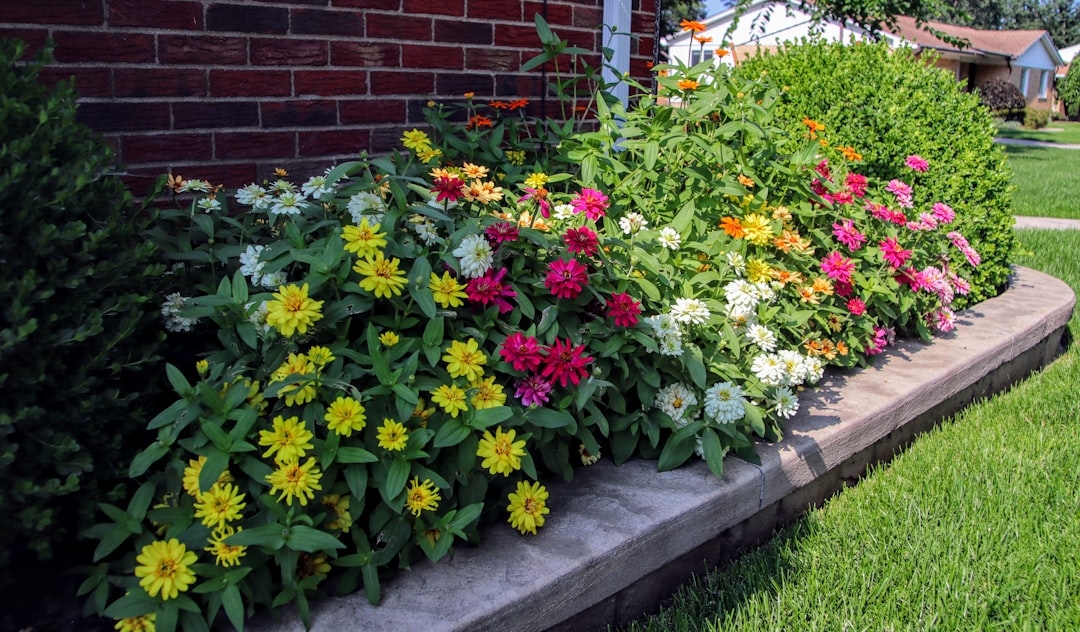
Victorian gardeners were obsessed with edges. In the 1800s, the “carpet bedding” craze swept across England and eventually America, where head gardeners at grand estates would spend weeks laying out precise ribbons of low-growing flowers along every path and lawn border. The goal wasn’t just tidiness — it was a signal of care, of intention, of a garden that was truly designed. That instinct hasn’t gone anywhere. A well-edged border is still one of the fastest ways to make any yard look intentional, even if you’re a complete beginner working with a modest budget and a free Saturday afternoon.
Choosing the right border edging flowers is the foundation of that look. Pick the wrong ones and you’ll spend the summer fighting plants that flop, spread aggressively, or grow three feet tall when you wanted six inches. Pick the right ones and your garden essentially takes care of its own visual structure.
Why Border and Edging Plants Are a Category of Their Own
Not every flower belongs at the front of a bed. Border and edging plants share a specific set of traits: they stay relatively compact, they bloom reliably over a long season, they hold their shape without constant staking, and they create a visual transition between the garden and whatever lies beyond it — a lawn, a path, a driveway.
Most experienced gardeners define “edging plants” as those that stay under 12 inches tall and spread no more than 18 inches wide. Anything taller starts functioning as a mid-border plant rather than an edge. That distinction matters more than it sounds, because scale is everything in a small garden.
Best Border Edging Flowers for Beginners
The following plants are reliable, widely available at US garden centers, and forgiving enough for first-time gardeners. Most are available as transplants for $3–$8 per cell pack, making them affordable for edging an entire bed.
Marigolds (Tagetes patula)
French marigolds are arguably the single best starter edging plant in American gardening. They grow 6–12 inches tall, bloom from late spring until the first hard frost, and actively repel certain soil nematodes — a genuine bonus if you’re edging a vegetable garden. ‘Bonanza’ and ‘Little Hero’ series stay particularly compact. Plant them 6 inches apart for a dense, weed-suppressing ribbon of orange, yellow, or burgundy.
Alyssum (Lobularia maritima)
Sweet alyssum is a quiet overachiever. It grows only 3–6 inches tall, spreads softly to fill gaps, and produces clusters of tiny honey-scented white or purple flowers from spring through fall. It self-sows readily in USDA Zones 5–9, meaning it may return on its own the following year. It’s especially effective spilling over the edge of raised beds or stone pathways.
Dianthus (Dianthus chinensis)
Annual dianthus, sometimes sold as “pinks,” brings a cottage-garden quality that marigolds and alyssum can’t match. The fringed petals in shades of red, pink, and white bloom heavily in spring and again in fall when temperatures cool. Plants reach 8–12 inches and hold their shape well. ‘Telstar’ and ‘Corona’ series are widely stocked across the US and perform well in Zones 3–10 as annuals.
Lobelia (Lobelia erinus)
Trailing lobelia is your go-to for shaded or partially shaded edges. It produces an almost unbroken carpet of small blue, violet, or white flowers and stays under 6 inches tall. It prefers cooler temperatures, so in hot-summer climates (Zones 7 and above), it may slow down in July and August before rebounding in fall. Plant 4–6 inches apart for quick coverage.
Dusty Miller (Senecio cineraria)
Strictly speaking, dusty miller is grown for its silvery foliage rather than its flowers. But as a border edging plant, it’s irreplaceable — the pale, felt-textured leaves create contrast that makes every neighboring flower look more vivid. It grows 8–12 inches tall, tolerates heat and drought once established, and is virtually pest-free. It earns its place in any mixed edging scheme.
Creeping Phlox (Phlox subulata)
For a perennial option that returns every year, creeping phlox is hard to beat. It forms a dense, mat-like mound just 4–6 inches tall and explodes with pink, purple, or white blooms in early spring. After flowering, the evergreen foliage stays attractive all season. It thrives in Zones 3–9 and is especially useful for edging slopes or rocky areas where soil erosion is a concern.
Practical Tips for Planting a Flower Border
Even the best plants fail in poorly prepared soil. Before planting any edging flowers, loosen the soil to at least 8 inches deep and mix in 2–3 inches of compost. Most edging annuals are heavy feeders that benefit from a slow-release granular fertilizer worked in at planting time — look for a balanced formula like 10-10-10.
Space plants according to their mature spread, not their current size. A common beginner mistake is crowding transplants together because they look sparse at first. Within six weeks, overcrowded plants compete for resources and lose air circulation, which invites fungal disease.
For a clean, defined edge, use a half-moon edger or a flat spade to cut a crisp line between the bed and the lawn before planting. A straight or gently curved physical edge does more for the appearance of your border than any individual plant choice.
Common Mistakes to Avoid
- Choosing plants by color alone. Always check mature height. A “low-growing” label on a pot doesn’t always mean edging-appropriate — some plants hit 24 inches at maturity.
- Planting too late in spring. Most annual edging flowers need to be in the ground by late May in Zones 5–7 to get a full season of bloom.
- Ignoring sun requirements. Lobelia planted in full sun will fry; marigolds planted in deep shade will barely bloom. Check the tag every time.
- Skipping deadheading. Many edging plants — especially dianthus and marigolds — bloom longer and more heavily when spent flowers are removed weekly.
- Using aggressive spreaders. Plants like sweet mint or some ornamental grasses may seem like good edging candidates but will invade neighboring areas within a single season.
A Reader’s Experience Worth Knowing
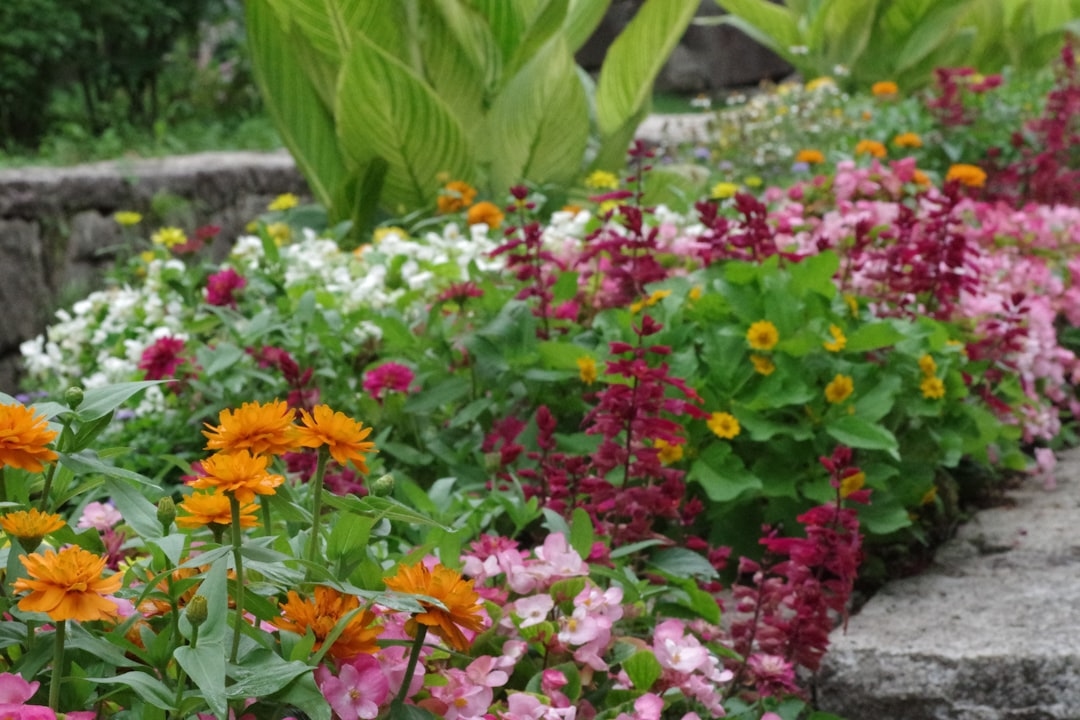
A gardener in suburban Ohio shared a story that will resonate with a lot of beginners. She spent her first season planting a mixed border of whatever looked prettiest at the nursery — salvias, cosmos, tall zinnias — and couldn’t understand why her front bed looked chaotic rather than charming. The following year, she kept everything taller than 14 inches in the back third of the bed and filled the front 10 inches with a single row of French marigolds and sweet alyssum. The result, she said, looked “like a real garden for the first time.” The flowers in the back hadn’t changed. The edging had simply given the whole bed a frame.
That’s the functional secret of border edging flowers: they don’t need to be the stars. They need to create structure that makes everything else look intentional.
Choosing the Right Edging Flowers for Your Conditions
Before buying anything, answer three questions: How much direct sun does the edge receive per day? How much time can you realistically spend on maintenance? And do you want annuals (replanted each year, maximum color) or perennials (return each year, lower annual cost)?
For full sun with minimal maintenance, marigolds and dusty miller are the most reliable combination in the US. For part shade, lobelia and sweet alyssum work beautifully together. For a perennial-first approach in Zones 4–8, creeping phlox as a base layer with annual dianthus tucked in for summer color gives you year-round structure without starting from scratch each May.
Frequently Asked Questions
What are the easiest border edging flowers for beginners?
French marigolds and sweet alyssum are the easiest border edging flowers for beginners. Both are widely available, inexpensive, pest-resistant, and bloom for the full growing season with minimal care. Marigolds grow 6–12 inches tall; alyssum stays under 6 inches.
How far apart should I plant edging flowers?
Most edging flowers should be planted 6–10 inches apart, depending on their mature spread. Check the plant tag for the “spread” measurement and use that as your spacing guide. Planting too close together increases disease risk; too far apart leaves gaps that weeds will fill.
Can I use perennials for garden edging?
Yes. Creeping phlox, thrift (Armeria maritima), and hardy geraniums are all excellent perennial edging options in USDA Zones 3–9. Perennials cost more upfront but return each year, reducing the need to replant. Many gardeners mix perennial edging plants with annuals to ensure consistent color through the season.
What edging flowers grow well in shade?
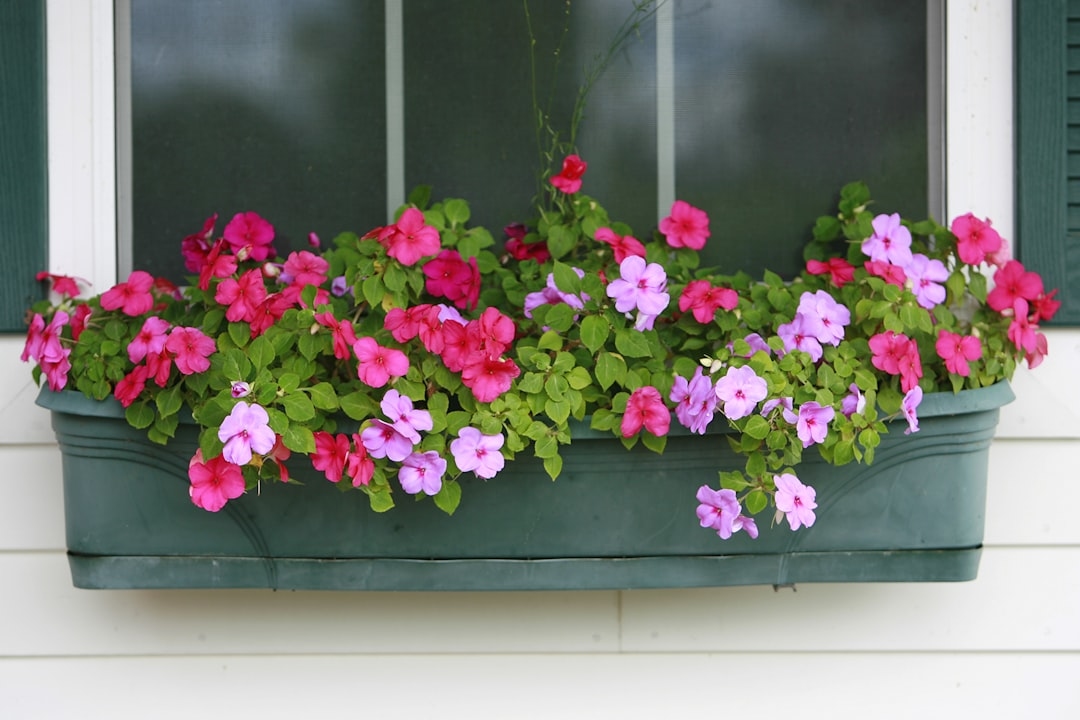
Lobelia, impatiens, and begonias are the most reliable edging flowers for shaded borders. All three stay compact, bloom prolifically in low light, and are widely available at US garden centers. Lobelia prefers cool temperatures; impatiens and begonias tolerate summer heat in shade.
How do I keep edging flowers looking neat all season?
Deadhead spent blooms weekly, trim any plants that flop over the bed edge, and reapply a 2-inch layer of mulch in midsummer to suppress weeds and retain moisture. For the cleanest look, re-cut the physical lawn edge with a half-moon edger once a month throughout the growing season.
Start Small, Then Expand
You don’t need to edge every bed in your yard at once. Start with a single 10-foot stretch — enough for one or two cell packs of marigolds and a pack of sweet alyssum — and see how it transforms the look of that area. Once you experience the difference a defined edge makes, the urge to extend it tends to take care of itself. By next season, you’ll have a clearer sense of which border edging flowers suit your specific conditions, your aesthetic, and honestly, your patience. That’s how every good gardener builds a border: one season, one experiment, one well-placed row at a time.