



Contents:
- Why Night-Blooming Flowers Deserve a Spot in Your Garden
- The Best Flowers That Only Bloom at Night
- Moonflower (Ipomoea alba)
- Night-Blooming Jasmine (Cestrum nocturnum)
- Evening Primrose (Oenothera biennis)
- Night-Blooming Cereus (Epiphyllum oxypetalum)
- Four O’Clocks (Mirabilis jalapa)
- Nottingham Catchfly (Silene nutans)
- Night Phlox (Zaluzianskya capensis)
- Datura (Datura metel)
- Building a Night Garden on a Budget
- Common Mistakes to Avoid
- Practical Tips for Growing Nocturnal Bloomers
- Frequently Asked Questions About Flowers That Only Bloom at Night
- What are the most fragrant flowers that only bloom at night?
- Can night-blooming flowers grow in containers?
- Do flowers that only bloom at night need full sun?
- What pollinates night-blooming flowers?
- How do I start a night garden from scratch?
- Start Your Night Garden This Season
What if the most magical part of your garden happened while you were sleeping? Most gardeners pour their energy into daytime displays — but a select group of flowers save their best performance for after sunset. These nocturnal bloomers open their petals as the light fades, filling the dark with color, fragrance, and a quiet drama that no sunny border can match. If you’ve never explored flowers that only bloom at night, you’re missing an entirely different garden.
Night-blooming plants evolved their timing for a reason: they rely on moths, bats, and night-flying insects for pollination rather than bees. That evolutionary quirk is your gain. Many of these flowers are also among the most powerfully fragrant plants you can grow — and several cost less than $5 per seed packet.
Why Night-Blooming Flowers Deserve a Spot in Your Garden
Beyond the novelty factor, nocturnal flowers solve real garden problems. They extend the hours you actually enjoy your outdoor space — especially valuable in summer, when evenings on the patio are the best part of the day. They’re also a smart pick for gardeners in hotter climates (USDA Zones 8–11) where daytime heat makes spending time outside uncomfortable from June through August.
Many night bloomers are also low-maintenance and drought-tolerant once established. That’s a win for budget-conscious gardeners who don’t want to spend heavily on watering or replacing finicky plants every season.
The Best Flowers That Only Bloom at Night
1. Moonflower (Ipomoea alba)
The moonflower is the crown jewel of night gardens. Its pure white, dinner-plate-sized blooms — often reaching 6 inches across — open within minutes of sunset and emit a sweet, light fragrance. It’s a fast-growing vine that can climb 10–15 feet in a single season, making it perfect for trellises, fences, or mailbox posts. Seeds cost $3–$5 per packet at most garden centers. Soak seeds overnight before planting for faster germination. Hardy as an annual in Zones 3–10, perennial in Zones 10–12.
2. Night-Blooming Jasmine (Cestrum nocturnum)
This is the plant neighbors ask about. Night-blooming jasmine releases one of the most intense fragrances in the plant kingdom — a single shrub can perfume an entire backyard. Small, tubular cream-colored flowers appear in clusters from summer through fall. It grows 8–10 feet tall in Zones 8–11, or thrives as a container plant you bring indoors for winter in colder regions. Expect to pay $10–$18 for a nursery-grown plant.
3. Evening Primrose (Oenothera biennis)
A native North American wildflower, evening primrose opens its bright yellow blooms around sunset and closes them by mid-morning. Each flower lives only one night, but plants produce dozens in succession. It self-seeds prolifically, meaning one $4 seed packet can supply your garden for years. Grows in Zones 4–9 and tolerates poor, sandy soil better than almost anything else.
4. Night-Blooming Cereus (Epiphyllum oxypetalum)
Called the “Queen of the Night,” this cactus blooms just once a year — for a single night only. The flowers are enormous (up to 12 inches), white, and intensely fragrant. It’s an event that gardeners plan around, sometimes hosting “cereus watch” parties. Grow it as a houseplant or in containers in Zones 10–12. Cuttings can be found for $8–$20 online.
5. Four O’Clocks (Mirabilis jalapa)
True to their name, four o’clocks open around 4 p.m. and stay open through the night. They come in vivid red, yellow, pink, and bicolor varieties, and reseed easily each year. A single packet of mixed seeds runs about $3. They grow well in Zones 7–11 and reach 18–36 inches — ideal for mid-border planting.
6. Nottingham Catchfly (Silene nutans)
Less known but worth seeking out, Nottingham catchfly produces delicate white petals that curl back during the day and unfurl each evening. It’s a European native that’s naturalized across parts of the US and thrives in rocky or poor soils in Zones 4–8. Great for wildflower or pollinator gardens.
7. Night Phlox (Zaluzianskya capensis)
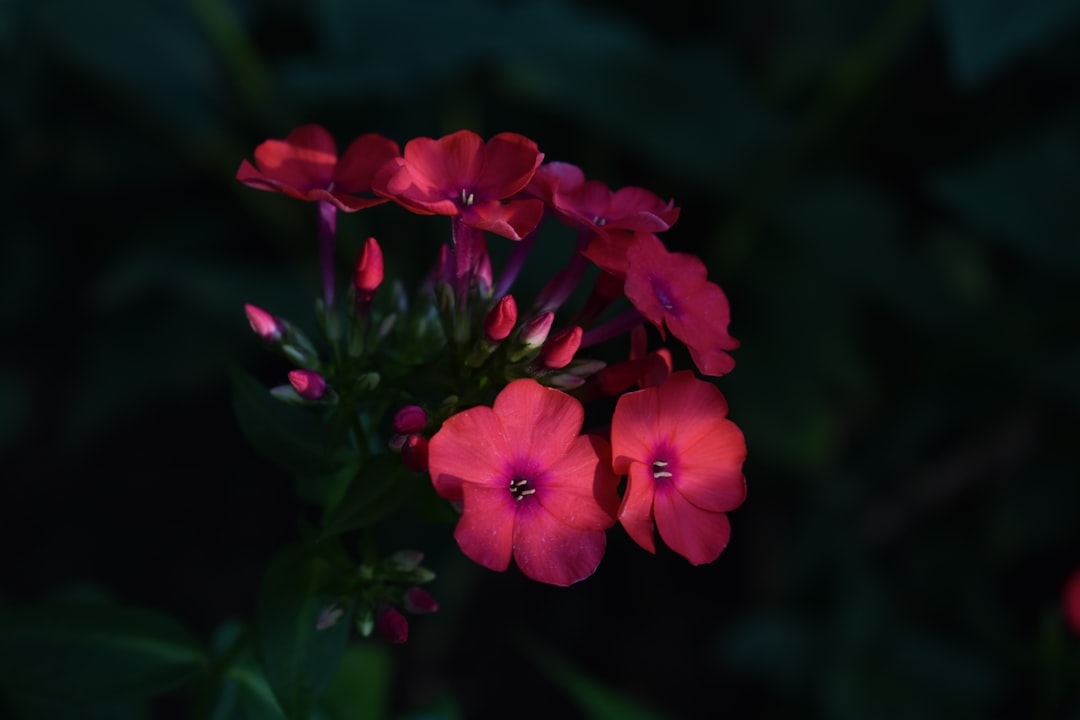
Also called “midnight candy,” night phlox earns its nickname with a honey-vanilla-almond scent that intensifies after dark. Flowers are white on top with burgundy undersides, creating a two-tone effect. It grows about 12 inches tall and thrives in Zones 9–11, or as a cool-season annual further north. Seeds run $4–$6 per packet.
8. Datura (Datura metel)
Datura produces dramatic, trumpet-shaped blooms up to 7 inches long in white, purple, or yellow. It opens in the evening and stays open until mid-morning. Note: all parts of this plant are toxic — keep it away from children and pets. It grows as an annual in most US zones and reaches 3–4 feet tall. Seeds are widely available for about $3–$4.
Building a Night Garden on a Budget
A complete night-blooming border doesn’t require a large investment. Here’s a realistic cost breakdown for a starter night garden:
- Moonflower seeds: $4
- Evening primrose seeds: $4
- Four o’clock seeds: $3
- Night phlox seeds: $5
- Night-blooming jasmine (potted): $15
- Basic trellis for moonflower: $12–$20
- Total: ~$43–$51
That’s a full, fragrant, multi-season display for under $55. Buy seeds in late winter when prices are lowest and selection is widest. Many of these plants also self-seed or spread, so your second-year cost drops to near zero.
“The biggest mistake I see is gardeners treating night bloomers as an afterthought,” says Renata Solís, a horticulturist and garden designer based in Austin, Texas, with 14 years of experience in sensory garden design. “Plant them near seating areas and pathways where you’ll actually be in the evening. Fragrance needs proximity to be effective — 10 feet away and you’ll miss most of it.”
Common Mistakes to Avoid
- Planting too far from where you sit. Night-blooming fragrance dissipates quickly. Place plants within 3–5 feet of patios, benches, or walkways.
- Forgetting to add white or light-colored flowers. Dark blooms disappear at night. White and pale yellow flowers reflect moonlight and stay visible after sunset.
- Skipping the trellis for moonflower. Without support, this vigorous vine sprawls and underperforms. Install a trellis at planting time.
- Overwatering night-blooming cereus. It’s a cactus. Soggy soil kills it faster than drought. Water only when the top 2 inches of soil are completely dry.
- Planting datura without research. Its toxicity is serious. Always read up on any new plant before adding it to a household with kids or animals.
Practical Tips for Growing Nocturnal Bloomers
Most night-blooming flowers share a preference for full sun during the day and well-drained soil. Here are a few targeted recommendations:
- Start moonflower and four o’clocks directly in the ground after your last frost date — they dislike root disturbance from transplanting.
- Add a layer of white gravel or light-colored mulch around your night garden to reflect ambient light and make the space feel brighter after dark.
- Install a small solar path light nearby — not to illuminate the flowers directly, but to make the space usable and safe for nighttime visits.
- Group plants by fragrance intensity. Night-blooming jasmine is aggressive — plant it slightly apart so it doesn’t overwhelm subtler scents like night phlox.
Frequently Asked Questions About Flowers That Only Bloom at Night
What are the most fragrant flowers that only bloom at night?
Night-blooming jasmine (Cestrum nocturnum) is widely considered the most intensely fragrant nocturnal flower. Night phlox and moonflower are also highly fragrant, with sweeter, lighter scents. Four o’clocks offer mild fragrance in a wide range of colors.
Can night-blooming flowers grow in containers?
Yes. Night-blooming jasmine, night-blooming cereus, and night phlox all perform well in containers. Use a pot at least 12 inches in diameter with drainage holes. Container growing also lets you move tropical species indoors for winter in colder zones.
Do flowers that only bloom at night need full sun?
Most do. Moonflower, four o’clocks, and evening primrose all need at least 6 hours of direct sunlight per day to bloom well. Nottingham catchfly is a notable exception and tolerates partial shade.
What pollinates night-blooming flowers?
Moths are the primary pollinators for most nocturnal flowers. Some species, like night-blooming cereus, are also pollinated by bats. This is why many night bloomers are white or pale-colored and strongly fragrant — those traits attract moths more effectively than bright colors do.
How do I start a night garden from scratch?
Begin with three plants: moonflower for height and drama, evening primrose for easy color, and four o’clocks for fragrance and reliable reseeding. These three together cost under $12 in seeds, grow in most US zones, and establish quickly. Add night-blooming jasmine in a container once you’re ready to expand.
Start Your Night Garden This Season
The most rewarding gardens aren’t always the ones that look best at noon. A thoughtfully planted night garden changes how you use your outdoor space — turning summer evenings into something you actually look forward to. Pick two or three of the plants above, start with seeds to keep costs low, and plant them where you’ll encounter them naturally as the sun goes down. The moths will find them. So will you.