
Contents:
- Why Some Flowers Trigger Allergies and Others Don’t
- The Best No Pollen Flowers for Allergy Sufferers
- Roses — Especially Double-Flowered Varieties
- Hydrangeas
- Orchids
- Tulips and Daffodils
- Impatiens and Begonias
- Cactus Flowers and Succulents
- Common Mistakes to Avoid
- What the Pros Know
- Growing Low-Allergen Flowers Sustainably in a Small Space
- Practical Tips for Apartment Dwellers Managing Flower Allergies
- Frequently Asked Questions
- What flowers are completely pollen-free?
- Are artificial or silk flowers better for allergies than real ones?
- Can I have a flower garden if I have pollen allergies?
- Do no pollen flowers for allergies still attract bees?
- What is the most allergy-friendly cut flower to buy?
In ancient Rome, garlands of flowers were worn at banquets — not just for beauty, but because certain blooms were believed to ward off illness. What those revelers couldn’t have known was that some of those same decorative flowers were quietly triggering what we now call seasonal allergic rhinitis. Pollen, invisible and relentless, has been a quiet antagonist to human comfort for millennia. Today, roughly 25 million Americans suffer from hay fever annually, and a surprising number of their triggers sit in a vase on the kitchen counter. The good news: choosing no pollen flowers for allergies is entirely possible, and the options are more beautiful than most people expect.
Why Some Flowers Trigger Allergies and Others Don’t
Not all pollen is created equal. The culprit in most flower allergies is airborne pollen — fine, lightweight grains released by wind-pollinated plants. These particles are small enough (typically 10–100 microns) to be inhaled deep into nasal passages, triggering histamine responses in sensitive individuals.
Insect-pollinated flowers work differently. Their pollen grains are heavier, stickier, and designed to cling to bees and butterflies rather than drift through the air. This means the pollen rarely becomes airborne, and allergy sufferers can often handle them without issue. Double-flowered varieties — flowers bred to have extra petals in place of reproductive parts — go a step further: they produce little to no pollen at all because their stamens have been replaced by decorative petals.
The OPALS scale (Ogren Plant Allergy Scale), developed by horticulturist Thomas Ogren, rates plants from 1 (least allergenic) to 10 (most allergenic). Choosing plants that score below 3 is a reliable starting point for anyone managing no pollen flowers for allergies at home.
The Best No Pollen Flowers for Allergy Sufferers
Roses — Especially Double-Flowered Varieties
The classic rose is one of the safest flowers for allergy sufferers, particularly when you choose fully double varieties like ‘Double Delight’ or ‘Mr. Lincoln.’ These cultivars score a 1 on the OPALS scale. Their dense, layered petals leave no room for functional stamens, so pollen production is essentially zero. Single-petaled wild roses are a different story — avoid those if sensitivity is high. For a small apartment, a potted miniature rose on a sunny windowsill (at least 6 hours of direct light) performs beautifully with minimal upkeep.
Hydrangeas
Hydrangeas produce pollen, but their large, showy florets are sterile — the actual pollen-bearing flowers are tiny and tucked toward the center of the cluster. The dramatic outer florets that give hydrangeas their visual impact are purely decorative. This makes most hydrangea varieties low-risk for allergy sufferers. The ‘Annabelle’ and ‘Incrediball’ varieties are particularly popular for indoor use and are widely available at US garden centers for $15–$30 per plant.
Orchids
Orchids are among the most allergy-friendly flowers available. Their pollen is packed into waxy, solid masses called pollinia, which do not become airborne under any normal conditions. Phalaenopsis orchids (moth orchids) — the kind sold in most grocery stores and big-box retailers for $12–$25 — bloom for up to four months and thrive in the filtered light common in apartments. They rate a 1 on the OPALS scale.
Tulips and Daffodils
Tulips release minimal airborne pollen, and most people with pollen allergies tolerate them well. Daffodils are similarly low-risk and have the added benefit of being toxic to most garden pests, making them a durable, low-maintenance option. Both are spring bulbs, meaning you plant them in fall (September–November in USDA zones 3–8) and enjoy blooms the following spring — a satisfying, forward-looking practice even in a container on a balcony.
Impatiens and Begonias
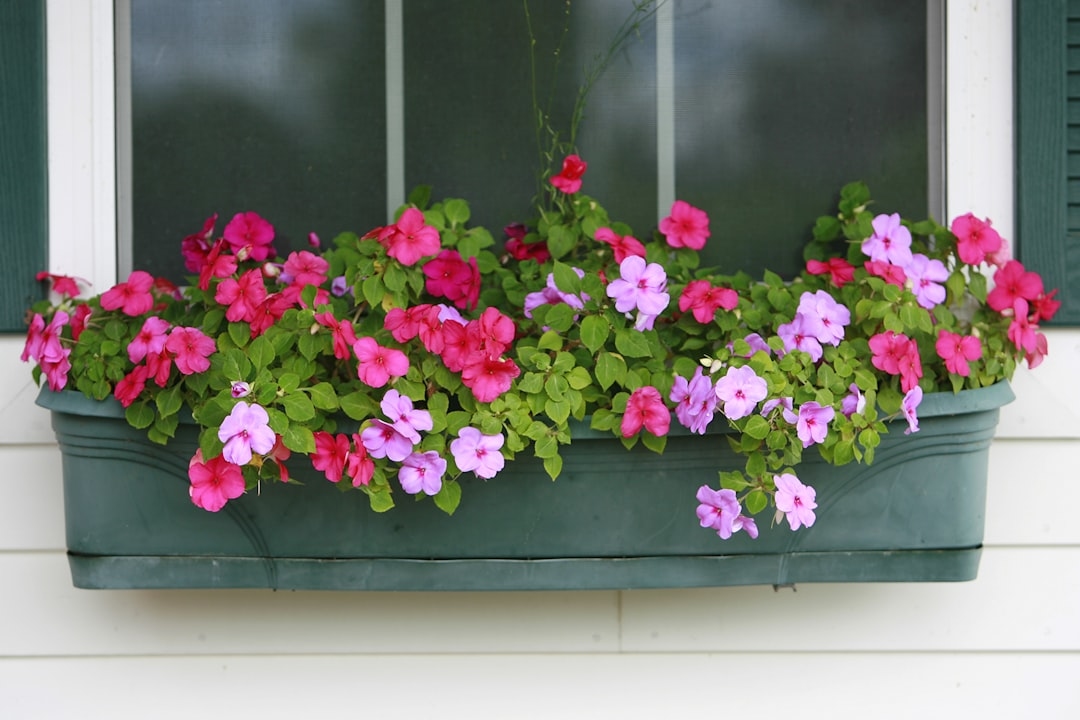
These two annuals are workhorses of the low-allergen garden. Begonias, especially wax begonias and tuberous varieties, produce pollen that is heavy and non-airborne. Impatiens are insect-pollinated, keeping their pollen well-contained. Both grow happily in 6-inch to 10-inch containers, making them ideal for apartment balconies or bright windowsills. They’re also among the most affordable options, typically $3–$6 per six-pack at garden centers.
Cactus Flowers and Succulents
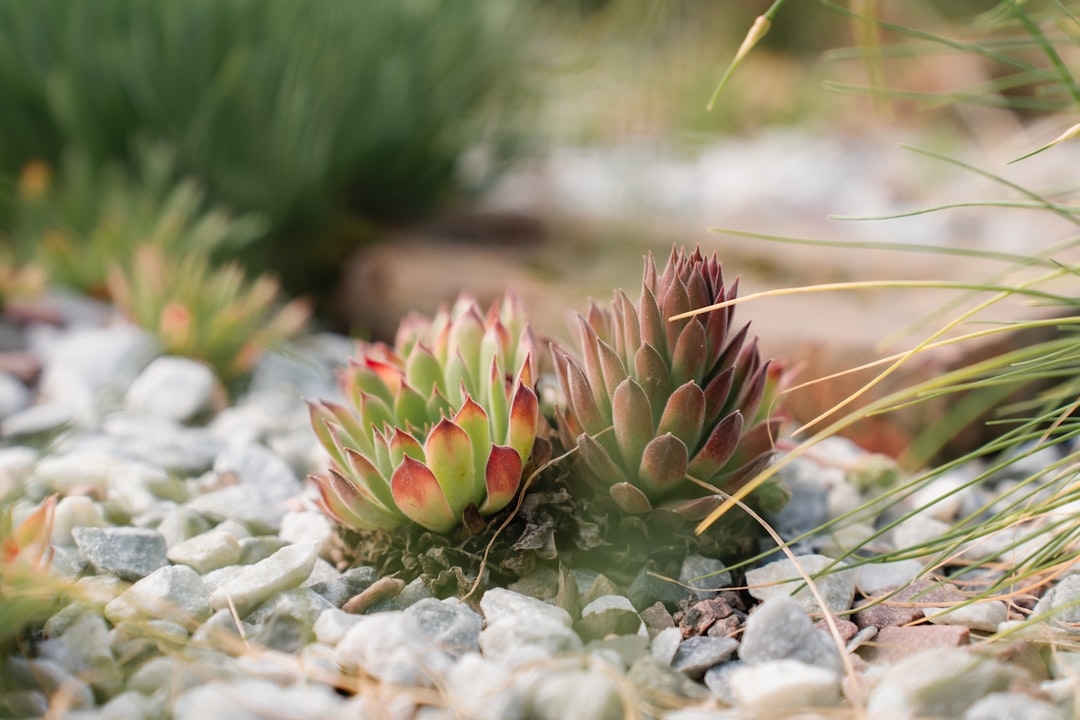
Many succulents and cacti flower seasonally with blooms that are pollinated by insects, birds, or bats — never wind. Their pollen stays put. The Schlumbergera (Christmas cactus) is a particularly charming option for indoor spaces, blooming in winter when other plants are dormant, and it requires minimal watering — roughly once every 2–3 weeks.
Common Mistakes to Avoid
- Buying mixed bouquets without checking the contents. Gypsophila (baby’s breath), which appears in nearly every grocery store bouquet, scores a 7 on the OPALS scale. Ask florists to substitute it with greenery or filler ferns.
- Assuming “fragrance-free” means pollen-free. These are unrelated traits. Highly fragrant lilies, for example, can be pollen-heavy regardless of scent intensity. You can request that florists remove the stamens from lilies before delivery — a common practice that dramatically reduces allergen risk.
- Confusing male and female plants. On dioecious plants (those with separate male and female individuals), only male plants produce pollen. Female plants of the same species are completely pollen-free. Holly and willow are examples where plant sex matters significantly for allergy management.
- Ignoring dried flowers. Dried arrangements can harbor mold spores, which trigger allergies just as aggressively as pollen. If you’re allergy-prone, opt for fresh or high-quality silk alternatives.
What the Pros Know
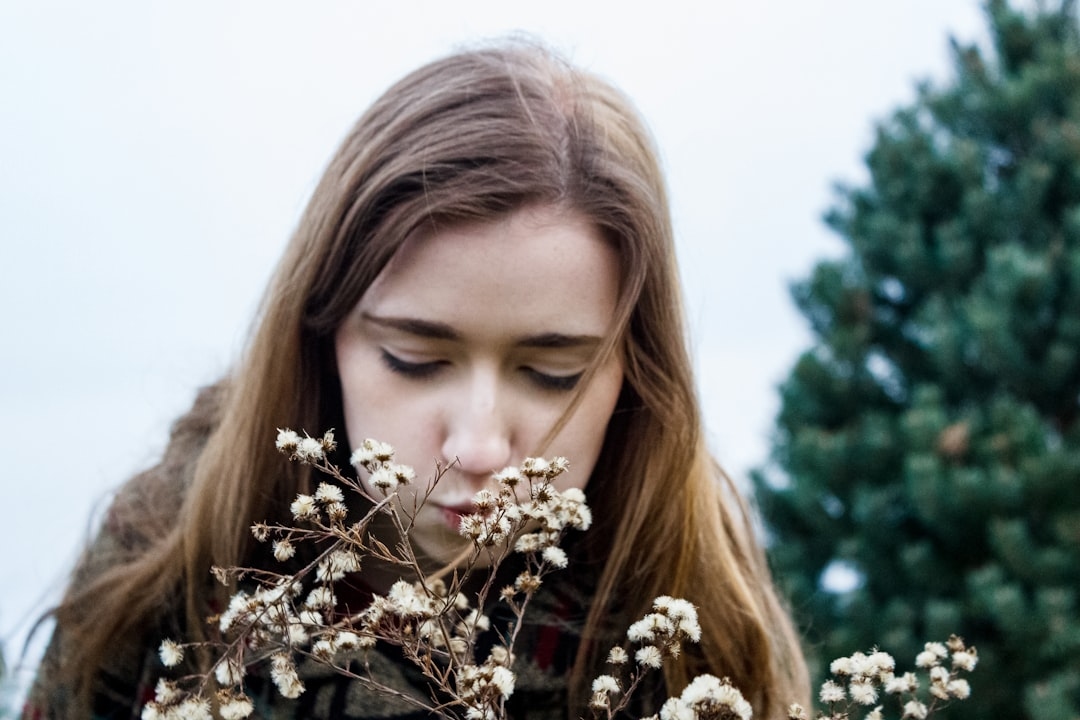
Pro Tip: Professional floral designers working with allergy-sensitive clients often reach for female holly branches, lisianthus, and snapdragons as go-to filler flowers. Lisianthus in particular — sometimes called the American Gentian — is stunningly versatile, looks similar to a rose or peony, and produces minimal airborne pollen. It’s widely available through US florists between June and October, typically $8–$14 per stem in arrangements. Ask for it by name.
Growing Low-Allergen Flowers Sustainably in a Small Space
Choosing no pollen flowers for allergies and growing them responsibly can go hand in hand. Many low-allergen flowers — orchids, begonias, cacti — require very little water compared to traditional garden plants, which makes them a smart choice in drought-prone US states like California, Texas, and Arizona.
Opt for peat-free potting mixes (now widely available at Home Depot and Lowe’s under brands like Espoma and Coast of Maine) to reduce your environmental footprint. Reusing nursery containers, self-watering pots with water reservoirs, and choosing perennials over annuals where possible all reduce waste significantly. A single Phalaenopsis orchid, properly cared for, can rebloom every 8–12 months for years — far less wasteful than seasonal cut flower purchases.
Pollinator-friendly and low-allergen aren’t mutually exclusive either. Female plants, double-flowered varieties, and insect-pollinated blooms still support local bee populations even when they present little risk to allergy sufferers. Planting a window box of tuberous begonias, for instance, provides a nectar source for urban bees while keeping your indoor air clear.
Practical Tips for Apartment Dwellers Managing Flower Allergies
- Keep fresh flowers in well-ventilated rooms and change the water every two days to prevent mold growth in the vase.
- Position potted plants near windows rather than air vents to prevent any particulate matter from circulating through your HVAC system.
- When ordering from US online flower delivery services (like 1-800-Flowers, The Bouqs, or UrbanStems), use the customer notes field to request lily stamen removal and gypsophila substitution.
- During high outdoor pollen season (March–May for tree pollen, June–July for grass pollen), focus on indoor container varieties rather than balcony gardens to limit your overall exposure.
- Wipe down leaves of indoor flowering plants monthly with a damp cloth — dust accumulation on large leaves can irritate airways even when the plant itself is non-allergenic.
Frequently Asked Questions
What flowers are completely pollen-free?
Truly pollen-free flowers are rare, but double-flowered roses, certain orchid varieties, and female-only plants (like female holly) come closest. These produce negligible amounts of airborne pollen and are consistently well-tolerated by allergy sufferers.
Are artificial or silk flowers better for allergies than real ones?
High-quality silk flowers eliminate pollen entirely, but they can collect dust, which is itself an allergen. If you choose artificial flowers, wipe them down weekly with a damp microfiber cloth to keep them allergen-neutral.
Can I have a flower garden if I have pollen allergies?
Yes. Focus on insect-pollinated species with OPALS scores of 3 or below: roses, hydrangeas, begonias, impatiens, and snapdragons are all excellent choices. Avoid wind-pollinated plants like ornamental grasses, goldenrod, and single-flowered daisies.
Do no pollen flowers for allergies still attract bees?
Many do. Insect-pollinated flowers attract pollinators through nectar rather than airborne pollen. Begonias, hydrangeas, and double roses can still support urban bee populations while posing minimal allergy risk to humans.
What is the most allergy-friendly cut flower to buy?
Orchids, particularly Phalaenopsis varieties, are consistently cited as the most allergy-friendly cut or potted flower. Their pollen does not become airborne, they’re widely available, and they last significantly longer than most cut flowers — up to 4 months in bloom under good conditions.
Your next step is simple: swap out one element of your current space. Replace a mixed grocery store bouquet with a potted Phalaenopsis orchid, or swap the baby’s breath in your next arrangement for lisianthus. One change at a time builds a home that’s both beautiful and genuinely comfortable to breathe in — no sacrifice required.