


Contents:
- Why Some Flowers Smell Like Vanilla
- The Best Vanilla Scented Flowers for Your Garden or Home
- Heliotrope (Heliotropium arborescens)
- Sweet Alyssum (Lobularia maritima)
- Osmanthus (Osmanthus fragrans)
- Vanilla Orchid (Vanilla planifolia) — Grown for Atmosphere
- Angel’s Trumpet (Brugmansia)
- Four O’Clock Flower (Mirabilis jalapa)
- Freesia
- Butterfly Bush (Buddleja davidii)
- Common Mistakes to Avoid
- A Reader’s Story: The Vanilla Garden That Started With One Plant
- Practical Tips for Growing Vanilla Scented Flowers
- Placement Matters More Than You Think
- Layering Scents for a Longer Season
- Growing Indoors
- Frequently Asked Questions
- What flower smells exactly like vanilla?
- Are vanilla scented flowers good for cutting?
- Do vanilla scented flowers attract pollinators?
- Can I grow vanilla scented flowers in containers?
- What is the strongest vanilla smelling flower?
- Where to Start If You’re New to Fragrant Gardening
In 17th-century Europe, vanilla was so prized that Queen Elizabeth I allegedly refused to eat any food that didn’t contain it. Perfumers scrambled to recreate that warm, sweet scent in botanical form — and they didn’t have to look far. Nature had already solved the problem. Dozens of flowers produce a scent nearly identical to vanilla, some of them so powerful that a single bloom can perfume an entire room. If you’ve ever caught a mysterious sweet smell in a garden and thought “that smells exactly like vanilla,” you weren’t imagining it.
This guide is written for complete beginners. No gardening jargon, no assumed knowledge. Just a clear, practical look at the best vanilla scented flowers — what they look like, where they grow, how to care for them, and which ones are easiest to start with.
Why Some Flowers Smell Like Vanilla
The vanilla scent in flowers comes primarily from a compound called coumarin or, more commonly, vanillin — the same organic molecule responsible for the scent of real vanilla beans. Plants produce these compounds to attract pollinators, particularly nocturnal moths that are drawn to warm, sweet fragrances. That’s why many vanilla-scented flowers bloom in the evening or are white and pale-colored: they’re essentially signaling to moths in the dark.
Interestingly, the vanilla orchid (Vanilla planifolia) itself has relatively modest flowers with only a faint scent. The famous vanilla fragrance we know comes from the cured seed pods, not the bloom. The flowers on this list, by contrast, put that scent front and center.
The Best Vanilla Scented Flowers for Your Garden or Home
1. Heliotrope (Heliotropium arborescens)
Heliotrope is probably the most reliably vanilla-scented flower a beginner can grow. Its clusters of tiny purple, lavender, or white blooms carry a scent so close to vanilla that it’s been described as “vanilla custard with a hint of almond.” It thrives in USDA hardiness zones 10–11 as a perennial, but is commonly grown as an annual across the US. Plants reach 18–24 inches tall and bloom from late spring through fall. Full sun and regular watering are all it needs.
2. Sweet Alyssum (Lobularia maritima)
Don’t let the name fool you — sweet alyssum smells far more like honey and vanilla than almonds. It’s a low-growing annual (4–6 inches tall) that spreads into a carpet of tiny white, pink, or purple flowers. A single 4-inch nursery pot costs around $3–$5, making it one of the most affordable fragrant flowers available. It tolerates light shade and is extremely beginner-friendly. Deadhead regularly and it will bloom from spring until frost.
3. Osmanthus (Osmanthus fragrans)
Known in China as “sweet olive” or “fragrant olive,” osmanthus produces tiny, almost invisible flowers that generate a scent described as apricot-vanilla. In Chinese culture, osmanthus tea and wine have been made for over 2,500 years. In the US, it grows well in zones 7–9 and can reach 10–15 feet as a shrub or small tree. It’s a slower investment — expect 2–3 years before significant blooming — but the payoff is extraordinary. The fragrance can travel up to 30 feet on a still evening.
4. Vanilla Orchid (Vanilla planifolia) — Grown for Atmosphere
While the flowers themselves are mildly scented, growing a vanilla orchid indoors adds undeniable novelty. It’s a climbing vine that needs a support structure, bright indirect light, and high humidity (above 60%). It rarely blooms indoors without hand pollination, but the lush tropical foliage alone makes it worth growing. Starter plants are available online for $15–$30.
5. Angel’s Trumpet (Brugmansia)
Few flowers are as dramatic — or as intensely vanilla-scented — as angel’s trumpet. Its enormous pendulous blooms (up to 20 inches long) release a heavy, sweet fragrance after sundown. It grows as a perennial in zones 9–11 and as a container plant elsewhere. One important note for beginners: every part of this plant is toxic. Keep it away from children and pets, and wear gloves when handling it.
6. Four O’Clock Flower (Mirabilis jalapa)
Four o’clocks open in the late afternoon and evening, releasing a soft vanilla-like fragrance that intensifies after dark. They come in vivid magenta, yellow, white, and striped combinations and grow easily from seed — often blooming within 60 days of planting. Expect plants to reach 2–3 feet tall. They self-seed prolifically, so one planting can supply your garden for years.
7. Freesia
Freesias are among the most popular cut flowers in the US, beloved partly for their vanilla-citrus scent. They’re grown from corms (bulb-like structures) planted in fall in zones 9–10, or in spring elsewhere. Each stem produces 6–10 individual florets that open in sequence, extending vase life to 7–10 days. A bundle of 10 corms costs roughly $8–$12 at most garden centers.
8. Butterfly Bush (Buddleja davidii)
The long, cone-shaped flower spikes of butterfly bush carry a faint but genuine vanilla-honey scent. As the name suggests, they’re magnets for butterflies and pollinators. They grow vigorously (sometimes too vigorously — see below) in zones 5–9, reaching 6–12 feet. Deadhead spent blooms regularly to prevent invasive spreading, as it’s considered invasive in parts of the Pacific Northwest.
Common Mistakes to Avoid
- Planting in the wrong zone. Osmanthus and angel’s trumpet won’t survive northern winters without protection. Always check your USDA hardiness zone before buying.
- Expecting fragrance in full shade. Most vanilla-scented flowers produce the strongest scent in full or partial sun. A shady location means fewer blooms and weaker fragrance.
- Overwatering heliotrope. It’s prone to root rot in soggy soil. Plant in well-draining soil and let the top inch dry out between waterings.
- Letting butterfly bush self-seed uncontrolled. Deadhead religiously or choose sterile cultivars like ‘Miss Ruby’ or ‘Lo & Behold’ series.
- Buying freesia corms too late. They sell out fast at garden centers. Order online by February for the best selection.
A Reader’s Story: The Vanilla Garden That Started With One Plant
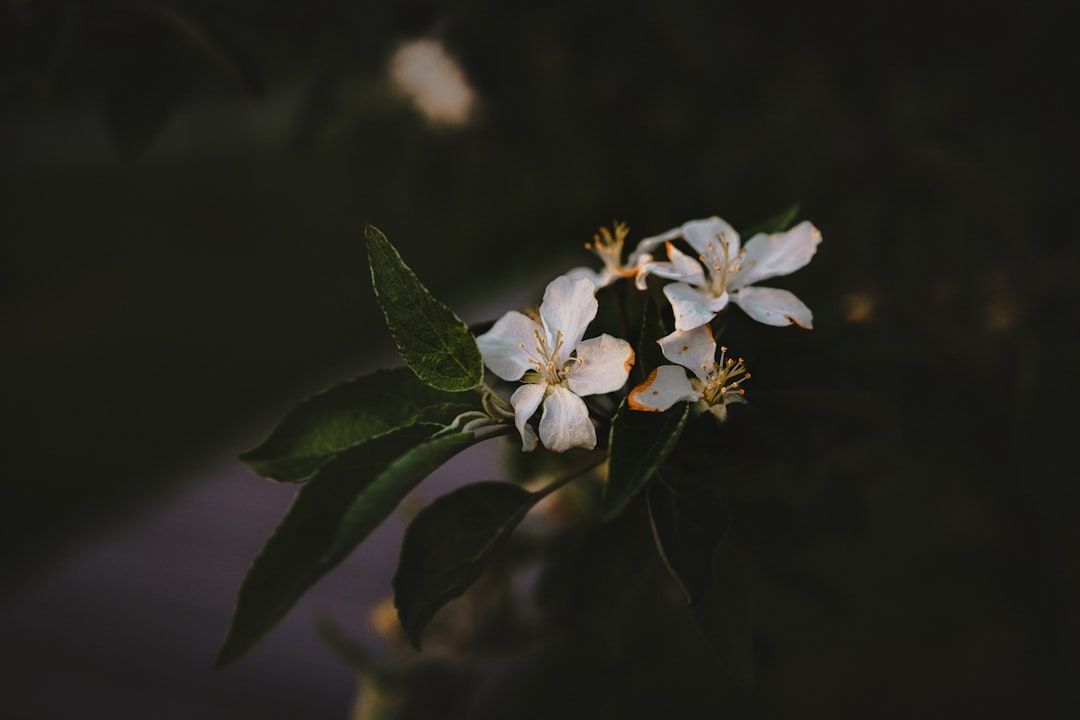
A reader in Charlotte, North Carolina, wrote to share how her vanilla-scented garden started completely by accident. She bought a single pot of heliotrope at a farmers market because the purple flowers caught her eye — she had no idea it was fragrant. The moment she got it home and set it on her porch, she was hooked. “I thought my neighbor was baking,” she said. That one plant led her to sweet alyssum along the path edges, four o’clocks by the fence, and eventually a large osmanthus shrub by the back gate. Three years later, her entire backyard fills with vanilla fragrance from June through October. She started with a $4 plant.
Practical Tips for Growing Vanilla Scented Flowers
Placement Matters More Than You Think
Plant fragrant flowers near seating areas, along walkways, or beneath open windows. A heliotrope placed 3 feet from a patio chair will be far more impactful than one planted at the back of a border. Evening-blooming varieties like four o’clocks and angel’s trumpet are best positioned where you spend time after 5 PM.
Layering Scents for a Longer Season
No single vanilla-scented flower blooms all year. Combine early-season freesias (spring), mid-season heliotrope and sweet alyssum (summer), and fall-blooming osmanthus to maintain continuous fragrance from March through November across much of the US.
Growing Indoors
Heliotrope and freesias both do well in containers near south-facing windows. Freesias need a cold dormancy period (store corms in the fridge for 6–8 weeks before planting). A 10-inch pot with three heliotrope plants can perfume a medium-sized room.
Frequently Asked Questions
What flower smells exactly like vanilla?
Heliotrope (Heliotropium arborescens) is most frequently described as smelling exactly like vanilla. Its fragrance is often compared to vanilla custard or warm vanilla sugar. Osmanthus and sweet alyssum also produce very similar scents.
Are vanilla scented flowers good for cutting?
Yes. Freesias are especially well-suited for cut flower arrangements and last 7–10 days in a vase. Sweet alyssum and heliotrope also work in smaller arrangements. Change the water every two days and trim stems at an angle to extend vase life.
Do vanilla scented flowers attract pollinators?
Absolutely. Most vanilla-scented flowers are highly attractive to bees, butterflies, and moths. Butterfly bush and sweet alyssum are particularly effective pollinator plants and are often used in wildlife-friendly garden designs.
Can I grow vanilla scented flowers in containers?
Yes. Heliotrope, sweet alyssum, freesias, and four o’clocks all grow well in containers. Use a pot at least 8–10 inches in diameter, ensure good drainage, and fertilize every 2–3 weeks with a balanced liquid fertilizer during the growing season.
What is the strongest vanilla smelling flower?
Angel’s trumpet (Brugmansia) produces one of the most powerful vanilla fragrances of any flower, especially after dark. Osmanthus is also exceptionally strong, with a scent that travels up to 30 feet. Both outperform heliotrope in raw intensity, though heliotrope is far easier and safer to grow.
Where to Start If You’re New to Fragrant Gardening
Pick one plant and let it convince you. A $4 pot of sweet alyssum from your local garden center is the lowest-risk starting point — it’s almost impossible to kill, blooms within weeks, and delivers genuine vanilla fragrance all season long. Once you’re hooked (and you will be), add heliotrope the following year, then build toward osmanthus as a long-term anchor. The garden you’re imagining — one that smells like a bakery on a warm evening — is more achievable than it sounds, and it starts with a single purchase this spring.