

Contents:
- Why Vertical Gardening with Trellis Flowers Works So Well
- The Best Trellis Climbing Flowers for Beginners
- Clematis — The Queen of Climbing Flowers
- Morning Glory — Fast, Cheerful, and Practically Foolproof
- Sweet Peas — Fragrant Cottage Garden Classics
- Climbing Roses — A Classic That Rewards Patience
- Black-Eyed Susan Vine — Tropical Looks, Easy Care
- Choosing the Right Trellis for Climbing Flowers
- Practical Tips for Growing Trellis Climbing Flowers Successfully
- Frequently Asked Questions About Trellis Climbing Flowers
- What are the easiest trellis climbing flowers for beginners?
- How long does it take for climbing flowers to cover a trellis?
- Do trellis climbing flowers come back every year?
- Can I grow trellis climbing flowers in pots?
- Which trellis climbing flowers attract pollinators?
- Your Next Step: Pick One and Start This Weekend
A bare fence or plain wall can become the most jaw-dropping feature in your entire yard — and all it takes is the right climbing flower and a trellis. Trellis climbing flowers are one of the easiest ways beginners can add serious visual drama to a garden without needing a huge plot of land or years of experience. You’re essentially gardening vertically, which means more blooms per square foot and a whole lot of wow factor.
If you’ve never grown a climbing plant before, you’re in for a treat. Most vining flowers are surprisingly forgiving, grow fast enough to keep you excited, and come back year after year once established. Let’s get you matched with the right ones.
Why Vertical Gardening with Trellis Flowers Works So Well
Climbing plants have evolved to reach toward sunlight by gripping onto structures — fences, walls, arches, and trellises. They do the hard work naturally. Your job is mostly just to point them in the right direction and give them a little support early on.
Vertical growing also has a quiet eco-friendly bonus: it uses far less ground space than traditional beds, which means less soil disturbance, less water runoff, and more habitat for beneficial insects like bees and butterflies who love to work their way up a flower-covered structure. Some climbing flowers, like native coral honeysuckle, actively support hummingbirds and native pollinators — a genuine win for your local ecosystem.
The Best Trellis Climbing Flowers for Beginners
Not every flowering vine behaves the same way. Some twine around supports naturally, some use tendrils to grip, and others need a little help being tied in place. Here’s a rundown of the top performers that work beautifully on a trellis, even if you’ve never gardened before.
Clematis — The Queen of Climbing Flowers
Clematis is the gold standard of flowering vines. It comes in hundreds of varieties, blooms in shades from pure white to deep purple, and can reach 8 to 12 feet tall depending on the type. The large-flowered hybrids like ‘Jackmanii’ are especially beginner-friendly — they’re hardy in USDA zones 4–9, widely available at most garden centers for around $10–$20 per plant, and put on a spectacular show from late spring through summer.
One quirk to know: clematis likes its roots in shade and its head in the sun. Plant it where the base will be shaded by a low shrub or a few flat stones, and let the vine climb into full light. That small trick makes a huge difference in how well it thrives.
Morning Glory — Fast, Cheerful, and Practically Foolproof
Morning glories are the perfect starter climbing flower. You grow them from seed — a packet costs about $3–$5 — and they germinate in 5 to 7 days in warm soil. By midsummer, they can easily cover 10 feet of trellis in a wave of blue, purple, pink, or white trumpet-shaped blooms that open fresh each morning.
They’re annuals, which means they complete their life cycle in one season. But here’s the sustainable upside: they self-seed prolifically. Let a few seed pods dry on the vine at the end of the season, scatter them near the trellis, and you’ll likely get free plants next spring with zero effort.
Sweet Peas — Fragrant Cottage Garden Classics
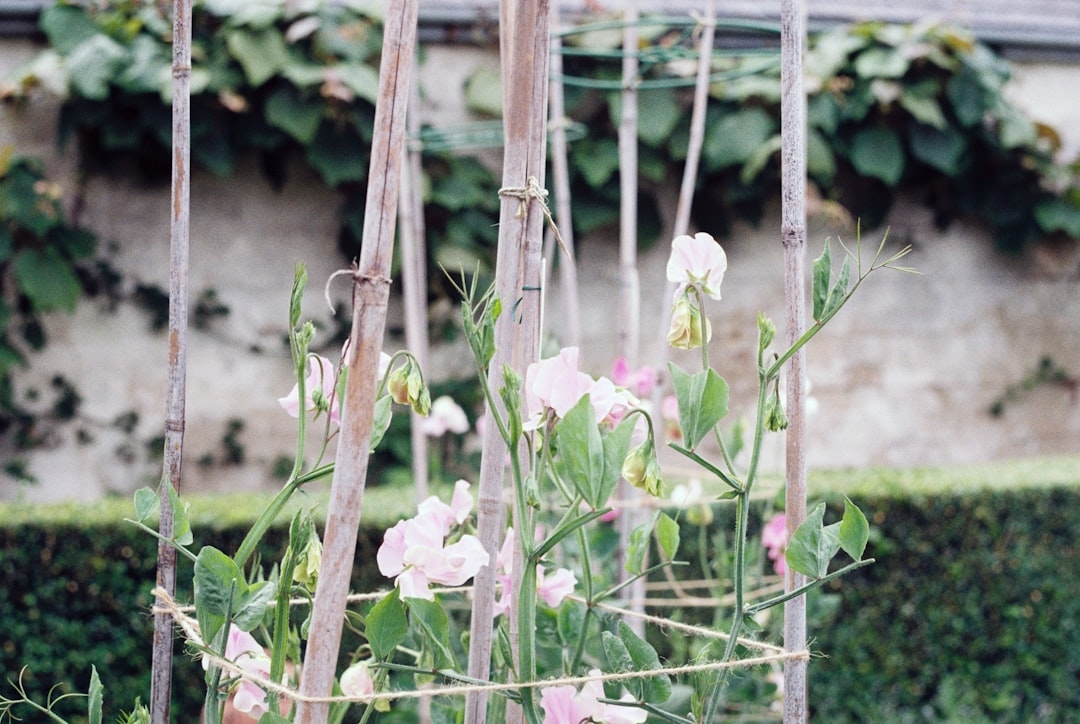
Sweet peas bring something most climbing flowers can’t match: fragrance. The blooms smell like honey and flowers all rolled into one, and they come in soft pastels that look straight out of a watercolor painting. They grow best in cool weather, making them ideal for spring planting in USDA zones 3–9.
Sow seeds directly into the ground in early spring (or fall in warmer zones) about 1 inch deep and 2 inches apart at the base of your trellis. They’ll reach 4 to 6 feet and bloom for weeks. Cut the flowers regularly — the more you pick, the more they produce. That’s not a gardening myth; it’s how the plant works.
Climbing Roses — A Classic That Rewards Patience
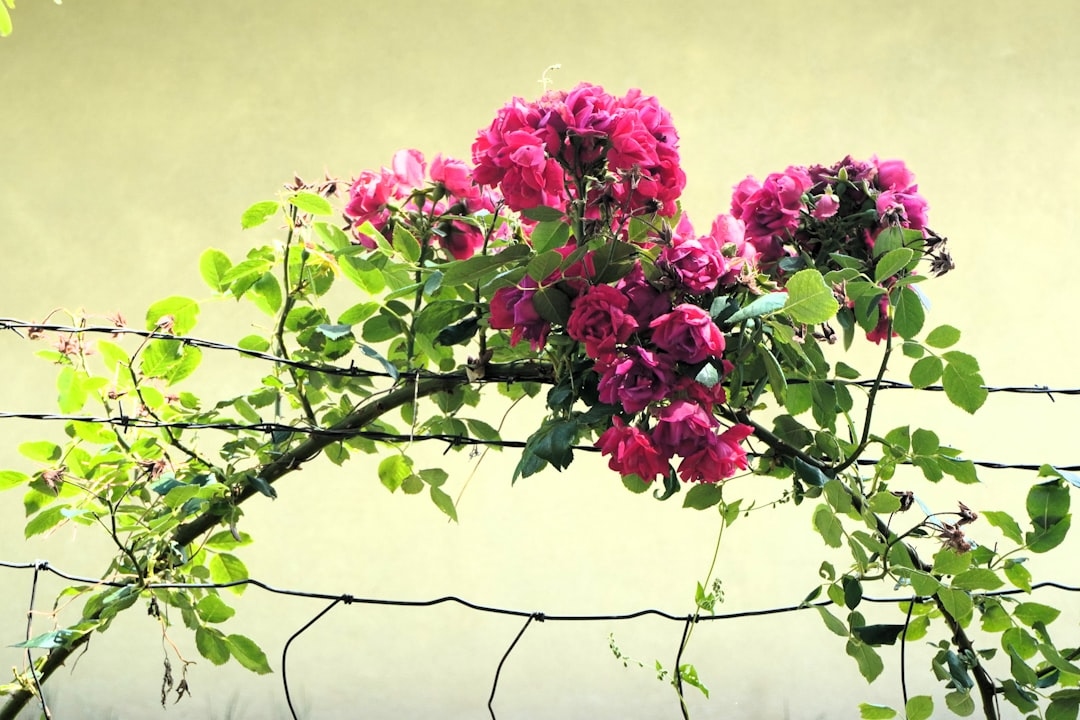
Climbing roses take a year or two to really establish before they explode with blooms, but the payoff is extraordinary. Varieties like ‘New Dawn’ (zones 5–9) or ‘Don Juan’ (zones 5–9) can cover a 6-foot trellis with fragrant flowers that come back reliably each summer. Budget around $25–$40 for a good bare-root or potted climbing rose from a reputable nursery.
They don’t actually climb on their own — you’ll need to loosely tie the canes to your trellis using soft garden twine. But once trained, they’re low-maintenance and absolutely stunning.
Black-Eyed Susan Vine — Tropical Looks, Easy Care
This cheerful annual vine (Thunbergia alata) produces masses of small orange or yellow flowers with dark centers, blooming from summer right through frost. It grows quickly — up to 8 feet in a single season — and thrives in full sun. In zones 10–11 it’s perennial; everywhere else, treat it as an annual or start seeds indoors 6 weeks before your last frost date.
Choosing the Right Trellis for Climbing Flowers
The trellis itself matters more than most beginners realize. Lightweight wood or plastic trellises work fine for annual vines like morning glories, but if you’re growing something heavier like a climbing rose or a mature clematis, you’ll want a sturdy metal or cedar trellis rated to hold at least 20–30 lbs. A flimsy trellis that collapses mid-season is one of the most discouraging things that can happen to a new gardener.
Grid-style trellises with 4- to 6-inch openings give climbing plants plenty of places to grip. Fan-shaped trellises work beautifully for roses and plants you’ll be training by hand. For a wall or fence, a flat panel trellis mounted 2–3 inches away from the surface allows air to circulate behind the foliage, which reduces disease.
🌿 What the Pros Know
Professional garden designers almost always plant trellis climbers in groups of three — one fast grower like morning glory for immediate impact, one mid-speed bloomer like clematis for the main event, and one slow but long-lived plant like a climbing rose for future payoff. This layered approach means your trellis looks great from the very first season while building toward something even better over time.
Practical Tips for Growing Trellis Climbing Flowers Successfully
- Prepare the soil first. Dig a hole about twice the width of your plant’s root ball and mix in a generous scoop of compost. Good soil structure at planting time sets your vine up for the whole season.
- Water deeply at the base. Overhead watering encourages fungal disease on climbing plants. Aim for the soil, not the leaves. About 1 inch of water per week is the general target.
- Start training early. When vines are young and flexible — just 6 to 12 inches tall — gently guide them toward the trellis. Once stems harden and become woody, you can’t redirect them without breaking them.
- Feed at the right time. For flowering climbers, use a fertilizer higher in phosphorus (the middle number on the package, like 5-10-5) to encourage blooms over leafy growth. Apply once a month during the growing season.
- Choose eco-friendly mulch. A 2- to 3-inch layer of shredded bark or straw mulch around the base of your climbers conserves moisture, keeps roots cool, and reduces the need for frequent watering — cutting your water use by up to 30%.
Frequently Asked Questions About Trellis Climbing Flowers
What are the easiest trellis climbing flowers for beginners?
Morning glories and black-eyed Susan vine are the easiest options. Both grow from seed, establish quickly, and require minimal care. Morning glories can cover a trellis in a single season and cost just a few dollars to start from seed.
How long does it take for climbing flowers to cover a trellis?
Fast-growing annuals like morning glories and sweet peas can cover a 6-foot trellis in 8 to 10 weeks. Perennial climbers like clematis typically take one full growing season to establish, then fill in more densely in years two and three.
Do trellis climbing flowers come back every year?
It depends on the type. Clematis and climbing roses are perennials that return reliably in their hardiness zones. Morning glories and sweet peas are annuals, but they often self-seed, producing new plants the following spring without any replanting effort.
Can I grow trellis climbing flowers in pots?
Yes — many climbing flowers do well in large containers (at least 12 to 15 inches wide and deep) with a small trellis or obelisk inserted directly into the pot. Morning glories, sweet peas, and black-eyed Susan vine are especially well-suited to container growing.
Which trellis climbing flowers attract pollinators?
Clematis, sweet peas, and climbing roses are excellent for bees. Morning glories attract hummingbirds and butterflies. For the biggest pollinator impact, choose native species where possible — native coral honeysuckle (Lonicera sempervirens) is one of the best in the US for supporting local wildlife.
Your Next Step: Pick One and Start This Weekend
You don’t need a grand plan or a big budget to get started. Pick one climbing flower from this list — morning glory if you want fast results, clematis if you’re thinking long-term — grab a packet of seeds or a small plant from your local garden center, and get it in the ground near your trellis. Most of these plants will show visible growth within days, which makes the whole process immediately rewarding.
Once you see your first vine reaching toward that trellis on its own, you’ll understand why so many gardeners get completely hooked on growing things vertically. Your wall, fence, or bare corner has no idea what’s about to happen to it.