
Contents:
- Why Wildflower Meadows Are Having a Major Moment
- The Best Wildflower Meadow Flowers by Category
- Annual Wildflowers: Fast Color in Year One
- Perennial Wildflowers: The Backbone of Your Meadow
- Native Grasses: The Unsung Heroes
- How to Choose the Right Mix for Your Region
- Practical Tips for Planting Your Wildflower Meadow
- Common Mistakes to Avoid
- Frequently Asked Questions About Wildflower Meadow Flowers
- What are the easiest wildflower meadow flowers for beginners?
- How many wildflower seeds do I need per square foot?
- Do wildflower meadows come back every year?
- Can I plant a wildflower meadow in partial shade?
- When is the best time to plant wildflower seeds in the US?
- Ready to Plant Your Own Wildflower Meadow?
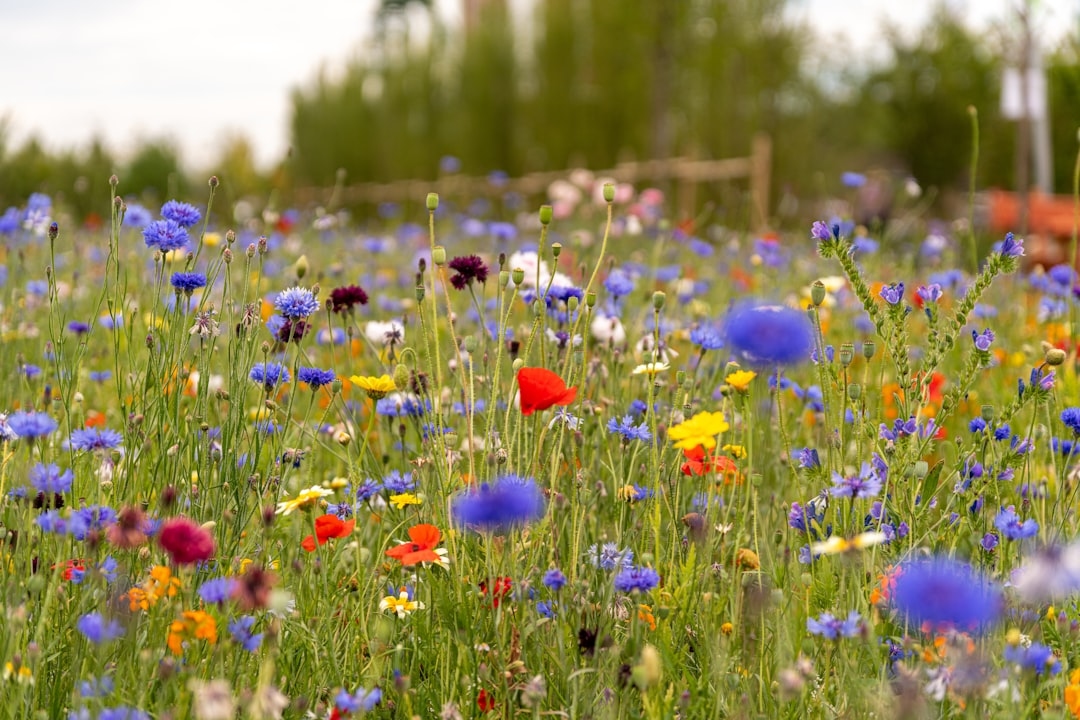
Long before formal gardens existed, medieval farmers noticed something magical: the strips of land left between cultivated fields burst into color every summer without any help at all. Cornflowers, poppies, and ox-eye daisies carpeted the edges of grain fields across Europe for centuries — not because anyone planted them, but because that’s exactly what wildflowers do when given a chance. Today, homeowners across the US are rediscovering that same effortless beauty by planting their own wildflower meadow flowers. And the good news? Getting started is far easier than you might think.
Why Wildflower Meadows Are Having a Major Moment
Water bills are climbing, pollinators are declining, and traditional lawns require an average of 1 inch of water per week just to stay green. Wildflower meadows, by contrast, need almost no irrigation once established — most native mixes thrive on natural rainfall alone after their first season. Beyond the water savings, a well-planted meadow can host over 40 species of bees, butterflies, and beneficial insects. That’s a garden doing serious ecological work while looking absolutely gorgeous.
State and local governments have noticed too. Many municipalities now offer rebates or exemptions from lawn ordinances specifically to encourage meadow-style plantings. If you’ve been on the fence, the timing has never been better.
The Best Wildflower Meadow Flowers by Category
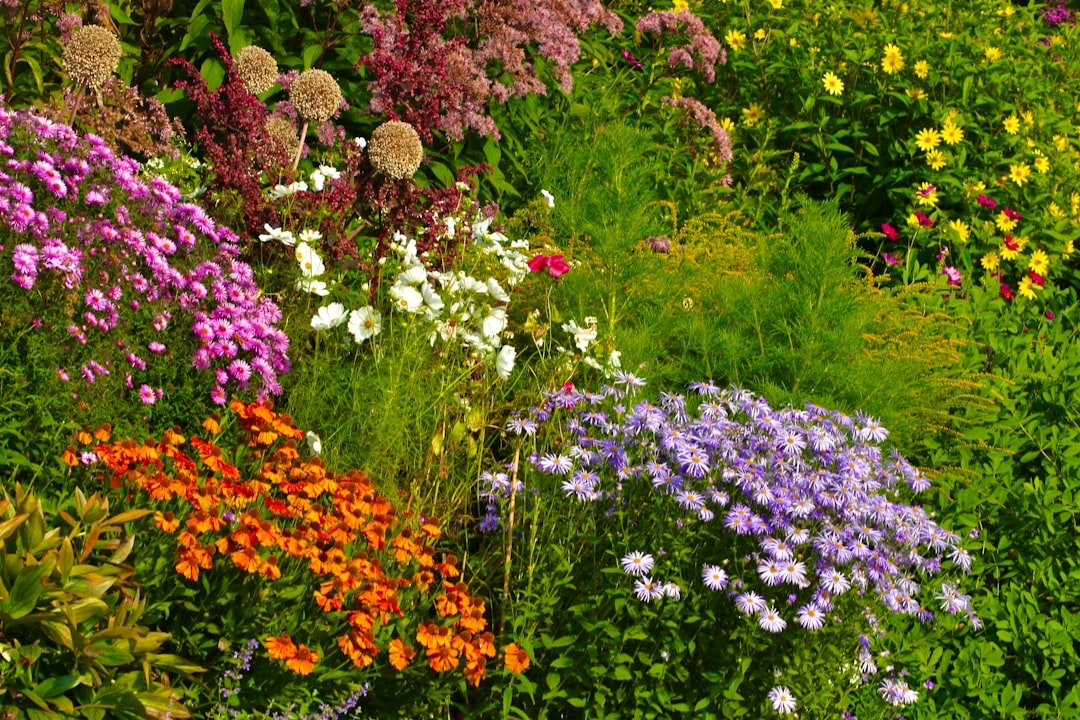
Not all wildflowers play well together, and not all of them suit every region. Here’s a breakdown by type so you can build a balanced, season-long display.
Annual Wildflowers: Fast Color in Year One
Annuals sprout, bloom, and reseed themselves within a single growing season. They’re your secret weapon for a spectacular first year while perennials get established.
- California Poppy (Eschscholzia californica) — Brilliant orange blooms from spring through fall. Drought-tolerant and self-seeding. Thrives in USDA zones 6–10.
- Bachelor’s Button / Cornflower (Centaurea cyanus) — Classic blue flowers that bees absolutely love. Reseeds reliably in most zones.
- Annual Coreopsis (Coreopsis tinctoria) — Bold yellow-and-maroon daisy-type blooms. One of the easiest annuals to grow from seed.
- Plains Coreopsis — A close relative that naturalizes beautifully across the Midwest and South.
- Shirley Poppy (Papaver rhoeas) — Silky petals in shades of red, pink, and white. Sow in fall for the best spring show.
Perennial Wildflowers: The Backbone of Your Meadow
Perennials take longer to establish — often skipping their first bloom year — but they return bigger and bolder every season. Aim for perennials to make up at least 50% of your mix.
- Purple Coneflower (Echinacea purpurea) — A native superstar, hardy in zones 3–9. Pollinators flock to it, and birds eat the seed heads in winter.
- Black-Eyed Susan (Rudbeckia hirta) — Golden-yellow petals around a dark center. Blooms midsummer through fall and spreads steadily.
- Wild Bergamot (Monarda fistulosa) — Lavender-pink flower clusters that attract hummingbirds and native bees. Zones 3–9.
- Lanceleaf Coreopsis (Coreopsis lanceolata) — A cheerful yellow perennial that blooms for 8–10 weeks in late spring.
- Ox-Eye Daisy (Leucanthemum vulgare) — The classic white-and-yellow meadow daisy. Spreads enthusiastically — give it room.
Native Grasses: The Unsung Heroes
A meadow without grasses looks flat and unfinished. Native bunch grasses add movement, texture, and crucial habitat. Try Little Bluestem (Schizachyrium scoparium) for stunning fall color, or Buffalo Grass in drier western climates. Aim for grasses to fill about 20–30% of your total planting area.
How to Choose the Right Mix for Your Region
The single biggest mistake beginners make is buying a generic “wildflower mix” without checking whether the species actually belong in their region. A mix designed for the Pacific Northwest will struggle in Texas heat, and vice versa.
Use the USDA Plant Hardiness Zone Map as your starting point, then narrow down by soil type and sun exposure. Most meadow flowers want at least 6 hours of direct sun per day and well-drained soil. If your yard holds water, focus on species like Blue Flag Iris and Swamp Milkweed that tolerate moisture.
Regional seed companies are worth the extra few dollars. Expect to pay $25–$60 for a quality regional mix covering 1,000 square feet — far less than sod, and far more rewarding.
“The number one thing I tell customers is to resist the urge to over-seed. At 8–10 seeds per square foot, you’ll get a dense, weed-suppressing stand. Go heavier and the plants compete with each other instead of the weeds.”
— Dr. Miriam Castillo, Certified Professional Horticulturist and meadow restoration consultant, Austin, TX
Practical Tips for Planting Your Wildflower Meadow
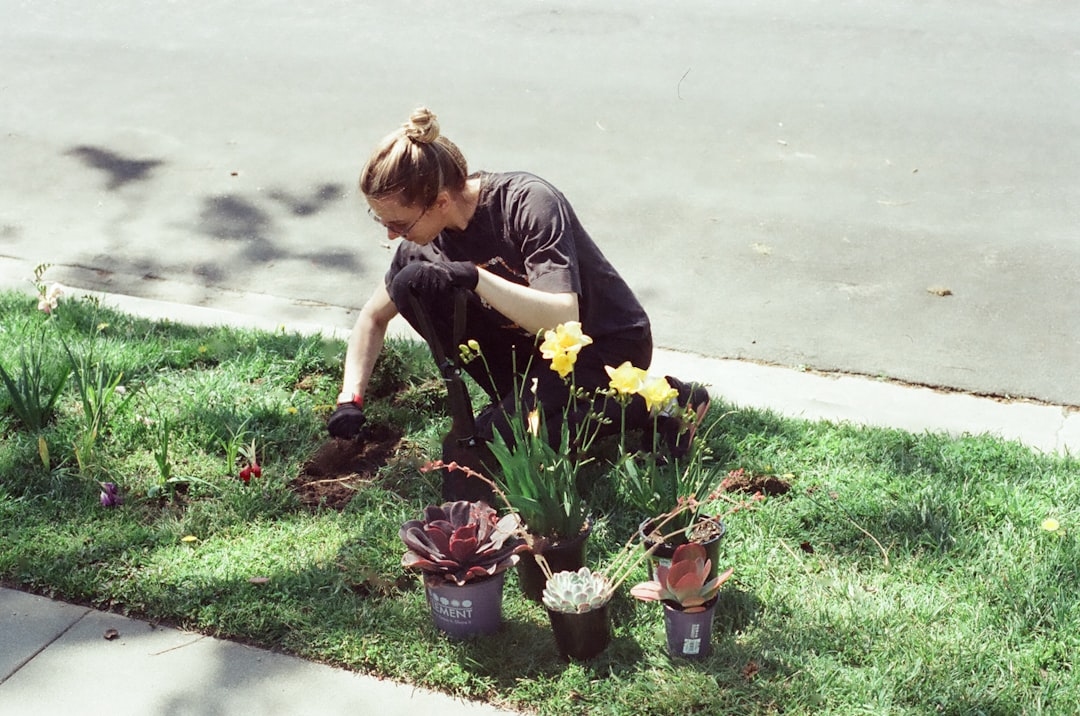
Site prep is 80% of the battle. Wildflower seeds are tiny and need direct contact with mineral soil — they cannot push through thick thatch or compete with established grass. Here’s how to set them up for success:
- Clear the ground. Smother existing grass with cardboard and 4 inches of wood chip mulch for one full season, or solarize the area with clear plastic for 6–8 weeks in summer.
- Scratch the surface. Rake the soil lightly to create a rough seedbed. You’re aiming for good seed-to-soil contact, not a perfectly smooth bed.
- Sow at the right time. In most of the US, fall sowing (September–November) mimics natural seed dispersal and results in stronger spring germination. In colder northern zones (4 and below), early spring sowing works well too.
- Press seeds in. After broadcasting, walk over the area or use a lawn roller. Don’t bury the seeds — most need light to germinate.
- Water consistently for 4–6 weeks. After that, established seedlings can largely fend for themselves.
🌿 What the Pros Know
Professional meadow designers always include a “nurse crop” — a fast-germinating annual like annual ryegrass or oats — at about 10% of the total seed mix. The nurse crop germinates quickly, stabilizes the soil, and shades out early weeds while the slower perennials and wildflowers take hold. It dies back on its own, leaving space for your meadow stars to shine.
Common Mistakes to Avoid
Even experienced gardeners make these slip-ups with meadow plantings:
- Mowing too early. Wait until late fall or early spring to cut the meadow back to 4–6 inches. Those “dead” stalks are overwintering habitat for native bees.
- Pulling “weeds” too soon. Many wildflower seedlings look indistinguishable from weeds at first. Let things grow for 4–6 weeks before weeding, and compare seedlings to a reference photo.
- Expecting instant results. Year one is mostly green. Year two, the perennials kick in. Year three, you’ll have neighbors asking what your secret is.
Frequently Asked Questions About Wildflower Meadow Flowers
What are the easiest wildflower meadow flowers for beginners?
Black-Eyed Susans, California Poppies, and Bachelor’s Buttons are among the easiest to grow. All three germinate readily from seed, tolerate a range of soil types, and reseed themselves for repeat blooms year after year.
How many wildflower seeds do I need per square foot?
Most experts recommend 8–10 seeds per square foot for a dense, weed-suppressing stand. For larger areas (500+ sq ft), a regional seed mix covering that square footage typically costs $25–$60 at garden centers or specialty seed suppliers.
Do wildflower meadows come back every year?
Yes, if your mix includes perennials and self-seeding annuals. Perennials like Purple Coneflower and Black-Eyed Susan return each spring from their root systems. Annuals like California Poppy drop seeds that germinate the following season, effectively renewing themselves.
Can I plant a wildflower meadow in partial shade?
Most traditional meadow flowers need 6+ hours of full sun. For shadier spots, look for shade-tolerant natives like Wild Columbine (Aquilegia canadensis), Cardinal Flower (Lobelia cardinalis), and Wild Ginger as ground cover.
When is the best time to plant wildflower seeds in the US?
Fall planting (September through November) works best across most of the country, giving seeds a natural cold-stratification period that improves spring germination rates. In USDA zones 3–4, early spring sowing right after the last frost date is equally effective.
Ready to Plant Your Own Wildflower Meadow?
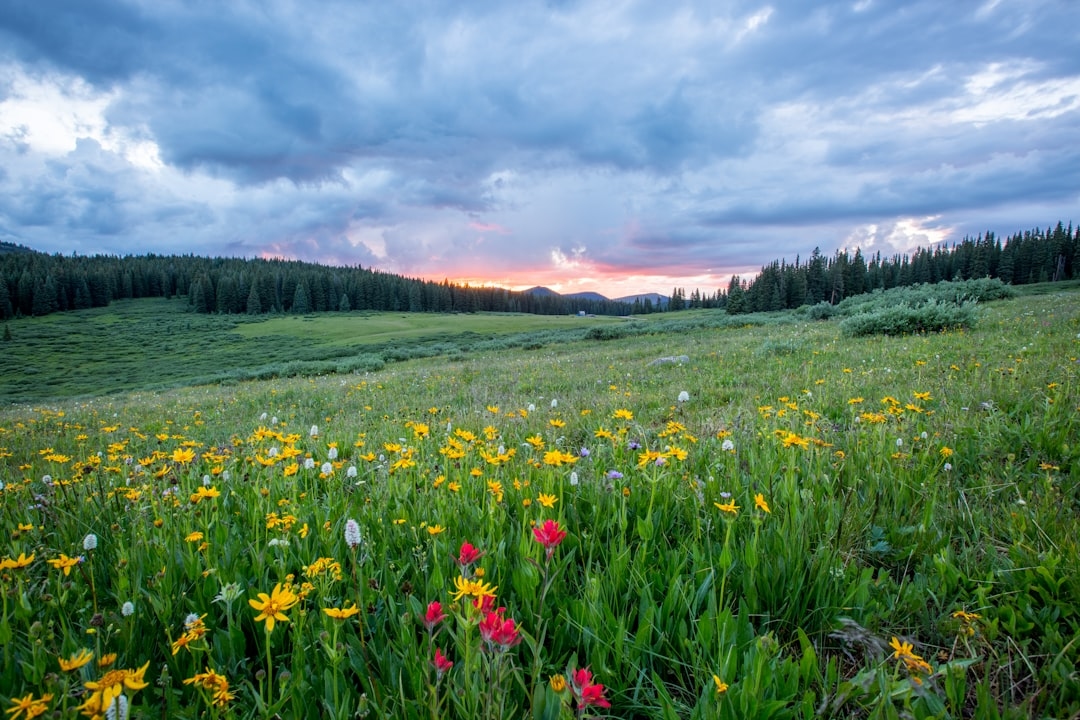
Start small — even a 100-square-foot patch in a sunny corner can become a stunning display of wildflower meadow flowers by summer. Pick three to five species suited to your region, prep the soil properly, and let nature do the rest. The meadow movement is growing fast across the US, and once you see your first wave of coneflowers and black-eyed susans swaying in a late summer breeze, you’ll understand exactly why those medieval farmers never bothered to mow the field edges. Some things are beautiful precisely because you leave them alone.