


Contents:
- What Makes a Flower a Perennial?
- Perennials vs. Annuals: Understanding the Real Difference
- The Best Perennial Flowers That Come Back Every Year
- Black-Eyed Susan (Rudbeckia hirta)
- Coneflower (Echinacea purpurea)
- Daylily (Hemerocallis)
- Hosta
- Peony (Paeonia)
- Salvia (Salvia nemorosa)
- How to Give Your Perennials the Best Start
- A Reader Story That Changed How I Think About Perennials
- Practical Tips for Managing a Perennial Garden
- FAQ: Perennial Flowers That Return Year After Year
- What are the easiest perennial flowers for beginners?
- Do perennial flowers come back every year in all climates?
- How long do perennial flowers live?
- When do perennial flowers come back in spring?
- Are perennials more expensive than annuals?
- Build a Garden That Grows With You
Here’s a myth that stops a lot of new gardeners in their tracks: flowers are a one-season thing. You plant them in spring, enjoy them through summer, and then come fall, they’re gone forever. So you shell out another $30 at the garden center next year, and the cycle repeats. Sound familiar? That belief keeps millions of people replanting the same beds year after year — and spending money they don’t have to. The truth is that perennial flowers come back yearly on their own, without you lifting a finger. Once they’re in the ground, they’re working for you every single season.
This guide is for the person who killed a plant once and swore off gardening — or the apartment dweller who just got their first patch of yard and has no idea where to start. No jargon, no assumptions. Just the information you actually need to build a garden that fills itself in, year after year.
What Makes a Flower a Perennial?
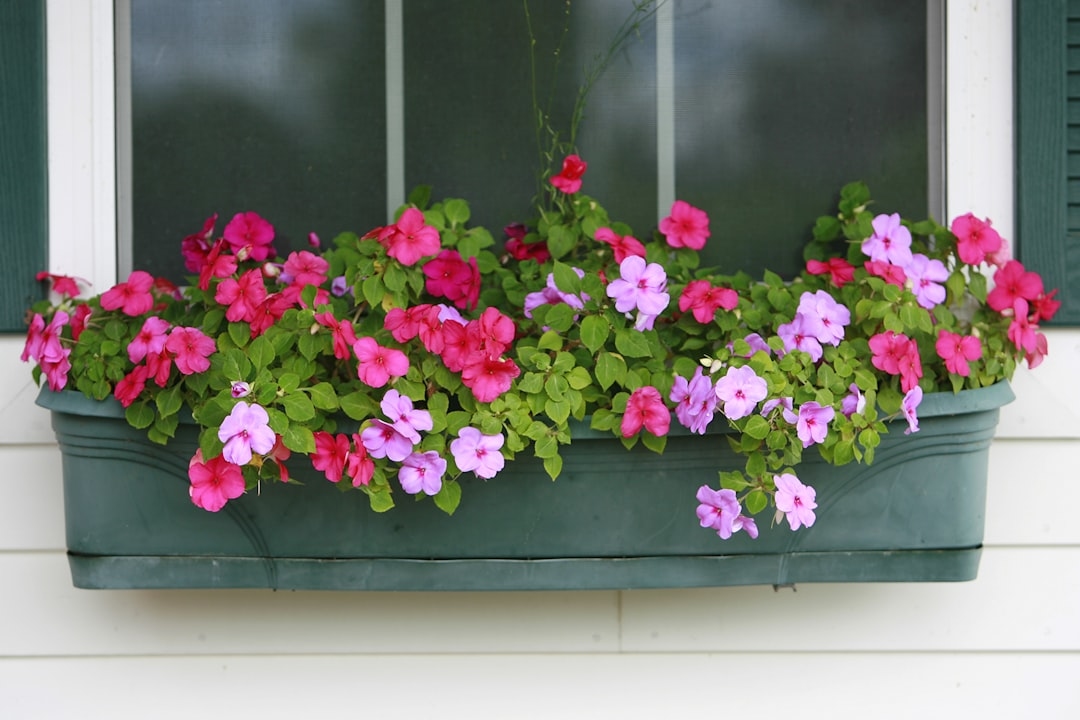
Every flower falls into one of two broad camps: annuals and perennials. Annuals — like petunias, marigolds, and impatiens — complete their entire life cycle in one growing season. They germinate, bloom, set seed, and die, all within a single year. They often produce showier blooms over a longer period, which is why garden centers push them so hard. But you pay for that performance every spring.
Perennials are built differently. They bloom for a season, die back to the ground when temperatures drop, and then regenerate from their root system the following year. Some perennials live for three to five years. Others — like peonies — can thrive in the same spot for 50 years or more without being moved.
The trade-off is straightforward: annuals give you more color for longer in year one. Perennials ask for a little patience up front, then reward you with compounding returns. Gardeners have a saying that captures this perfectly: “First year they sleep, second year they creep, third year they leap.” By year three, a well-chosen perennial bed looks fuller and more established than anything you could plant from scratch.
Perennials vs. Annuals: Understanding the Real Difference
The confusion between perennials and annuals is one of the most common mistakes beginners make at the nursery. Both are sold in the same type of plastic containers, often right next to each other on the same shelf. The only reliable way to tell them apart is to read the tag.
Look for the word “perennial” or a hardiness zone range (like “Zones 4–9”) on the plant label. Annuals usually say things like “blooms all season” or list no zone information at all because they don’t need to survive winter — they won’t be around for it. A hardiness zone is simply the USDA’s system for describing how cold a region gets in winter. If a plant’s zone range includes your zone, it can survive your winters and come back the following year.
You can find your USDA hardiness zone by entering your zip code at the USDA Plant Hardiness Zone Map website. Most of the continental US falls between zones 4 and 9, and the vast majority of popular perennials cover that entire range.
The Best Perennial Flowers That Come Back Every Year
Not all perennials are created equal, especially for beginners. Some are finicky about soil pH or need specific drainage conditions. The ones below are forgiving, widely available across the US, and proven performers in home gardens.
Black-Eyed Susan (Rudbeckia hirta)
Few flowers are as bulletproof as the black-eyed Susan. These golden-yellow blooms with dark centers thrive in zones 3–9 and tolerate drought, poor soil, and neglect with remarkable cheerfulness. They bloom from midsummer through early fall — one of the longest bloom windows of any common perennial. A single plant can spread to form a clump 2–3 feet wide within a few years, filling space with zero effort on your part.
Coneflower (Echinacea purpurea)
Coneflowers have become one of the most popular perennials in American gardens for good reason. They’re native to the central and eastern US, which means they evolved to handle the climate swings most gardeners deal with. Hardy in zones 3–9, they produce purple, pink, or white daisy-like flowers from June through August. Pollinators go absolutely wild for them, and if you leave the seed heads standing through winter, birds will feed on them until spring.
Daylily (Hemerocallis)
Daylilies are so resilient that they frequently escape cultivated gardens and naturalize along roadsides. Each individual flower lasts just one day — hence the name — but a single plant produces dozens of blooms over a 3–4 week period. Available in zones 3–9, they’re one of the easiest perennials to divide and share with neighbors. Bare-root daylilies cost as little as $5–$8 each online, making them one of the most affordable ways to fill a large bed.
Hosta
Technically grown for foliage rather than flowers, hostas deserve a spot on this list because they solve a problem most beginners face: shade. If your yard doesn’t get six or more hours of direct sun per day, many flowering perennials will struggle. Hostas thrive in partial to full shade (zones 3–9) and produce lavender or white flowers in midsummer. Their dramatic, textured leaves in shades of green, blue-green, and gold make them one of the most architectural plants you can grow.
Peony (Paeonia)
Peonies bloom for only about two weeks in late spring, but those two weeks are spectacular. Large, fragrant blooms in shades of white, pink, coral, and deep red make them one of the most sought-after cut flowers in the US — stems sell for $4–$8 each at farmers markets. Plant them in full sun in zones 3–8 and leave them undisturbed. A peony planted today could still be blooming in 2075.
Salvia (Salvia nemorosa)
Salvia produces tall spikes of violet-blue flowers that hummingbirds can’t resist. It’s incredibly drought-tolerant once established, making it a smart choice for gardeners in drier climates like the Southwest or Midwest. Hardy in zones 4–9, it blooms from late spring through summer and often reblooms in fall if you cut it back by about one-third after the first flush of flowers fades.
How to Give Your Perennials the Best Start
The single most important thing you can do when planting perennials is to prepare the soil before anything goes in the ground. Dr. Melissa Tran, a certified horticulturist and garden educator based in Columbus, Ohio, puts it this way: “Most perennial failures aren’t about the wrong plant — they’re about the wrong soil. Work in a 2-inch layer of compost before planting and you’ll solve 80% of drainage and fertility problems before they start.”
Beyond soil prep, timing matters. Plant perennials in early fall or early spring, when temperatures are cooler and rainfall is more consistent. This gives roots time to establish before the plant has to put energy into blooming. Water deeply — about 1 inch per week — for the first full growing season, then step back and let the plants develop their natural drought tolerance.
A Reader Story That Changed How I Think About Perennials
A woman named Carla from suburban Milwaukee wrote in to share her experience after her first winter with perennials. She’d planted a mix of coneflowers and black-eyed Susans in late September, and by November, every stem had died back to brown stubble. She was convinced she’d done something wrong and nearly dug them all up. Her neighbor — a retired landscaper — talked her out of it. The following May, all nine plants pushed through the soil right on schedule. By July, her front bed was the most-photographed yard on her street. “I almost threw away three years of blooms,” she said. The lesson: dead-looking perennials in winter are almost always very much alive underground.
Practical Tips for Managing a Perennial Garden
- Deadhead spent blooms — removing faded flowers on plants like coneflower and salvia encourages more blooming and prevents aggressive self-seeding.
- Divide every 3–4 years — when a clump gets congested, dig it up in fall, split it into sections with a shovel, and replant. This keeps plants vigorous and gives you free plants to expand your beds.
- Mulch in fall — a 2–3 inch layer of shredded bark or leaf mulch insulates roots through winter and suppresses weeds in spring. Don’t skip this step in zones 4 and colder.
- Leave some stems standing — hollow stems and seed heads provide winter habitat for native bees and food for birds. Cut them back in late February or early March before new growth emerges.
- Water at the base — overhead watering encourages fungal diseases on leaves. Use a soaker hose or water at the soil level, especially on peonies and phlox, which are prone to powdery mildew.
FAQ: Perennial Flowers That Return Year After Year
What are the easiest perennial flowers for beginners?
Black-eyed Susans, coneflowers, and daylilies are consistently the top recommendations for beginners. All three tolerate poor soil, variable moisture, and minimal care while returning reliably each year in zones 3–9.
Do perennial flowers come back every year in all climates?
Perennial flowers come back yearly as long as the plant is rated for your USDA hardiness zone. A perennial rated for zones 5–9 will not survive winters in zone 4 without extra protection like a thick mulch layer or being brought indoors.
How long do perennial flowers live?
It varies by species. Short-lived perennials like lupine and delphinium last 3–5 years. Mid-range perennials like coneflower and salvia live 7–10 years. Long-lived perennials like hostas and peonies can thrive for 25–50+ years in the same location.
When do perennial flowers come back in spring?
Most perennials begin showing new growth when soil temperatures consistently reach 50°F, which typically happens between March and May depending on your region. In zones 7–9, emergence can begin as early as late February.
Are perennials more expensive than annuals?
Individual perennial plants typically cost $6–$15 each at garden centers, compared to $3–$5 for most annuals. However, because perennial flowers come back yearly without replanting, the cost per season drops dramatically over time — making them significantly more economical after year two.
Build a Garden That Grows With You
The smartest thing a beginning gardener can do is choose plants that work harder than they do. Perennial flowers that come back yearly are exactly that — a long-term investment in your outdoor space that pays dividends in color, wildlife, and curb appeal season after season. Start with five plants this spring: one coneflower, one black-eyed Susan, one daylily, one salvia, and one peony. Give them good soil, water them through their first summer, and then watch what happens. By year three, you’ll have more plants than you know what to do with — and neighbors asking what your secret is.