


Contents:
- Why Flowers Became Symbols of Death and Mourning
- The Most Common Flowers That Represent Death and Mourning
- White Lilies — The Classic Funeral Flower
- Chrysanthemums — Mixed Messages Across Cultures
- Black Roses — Rare, Dramatic, and Deeply Symbolic
- Marigolds — The Flower of the Dead in Mexican Tradition
- Cypress Trees and Their Flowers
- Hyacinths and the Myth Behind Them
- Flowers Associated with Death Across Different Cultures
- Practical Tips for Choosing Death-Symbolism Flowers
- Matching Flowers to the Occasion
- Quick Cost Breakdown for Memorial Flower Arrangements
- Growing Memorial Flowers in Your Garden
- Frequently Asked Questions
- What flower is most associated with death?
- Are there flowers you should never bring to a funeral?
- What do black flowers symbolize?
- What flowers are used on Día de los Muertos altars?
- Can I plant a memorial garden with death-symbolism flowers?
- Ready to Arrange Something Meaningful?
Here’s something most people don’t know: the ancient Romans planted violets on graves so frequently that the Latin phrase viola dare — “to give violets” — became a common expression for honoring the dead. Flowers and mortality have been intertwined for at least 2,000 years, and that relationship is richer, more nuanced, and honestly more beautiful than most of us realize. Whether you’re planning a memorial service, designing a gothic garden, or just genuinely curious about which flowers represent death across cultures, you’re in the right place.
Why Flowers Became Symbols of Death and Mourning
Flowers are fleeting. They bloom brilliantly and then fade — sometimes within days. That natural cycle of beauty and decay made them the perfect symbol for human mortality long before anyone coined the phrase “circle of life.” Across cultures on every continent, mourners have used flowers to mark loss, ease grief, and honor memory.
The practice isn’t just poetic. There’s practical history here too. Before embalming was common, strongly scented flowers like lilies were placed near the deceased to mask odors during multi-day funeral rituals. That functional origin gave certain blooms a lasting association with death that never fully went away.
Today, the global funeral flower market is valued at over $7.5 billion annually in the United States alone. That’s a lot of symbolism being arranged into bouquets every single day.
The Most Common Flowers That Represent Death and Mourning
White Lilies — The Classic Funeral Flower
White lilies, especially Lilium longiflorum (Easter lily), are the most widely recognized funeral flowers in the United States. Their pure white petals symbolize the restored innocence of the soul after death, and their heavy, sweet fragrance has been part of burial rituals since ancient Egyptian times.
At most American funeral homes, a standard white lily arrangement runs $45–$120 depending on size and region. Florists typically use 5–7 stems per arrangement, with fully open blooms signaling immediate use and tightly closed buds lasting 5–7 days in a cool room.
Chrysanthemums — Mixed Messages Across Cultures
In the United States, chrysanthemums (“mums”) are cheerful fall flowers you’d find at any pumpkin patch display. But in many European countries — France, Italy, Belgium, and Poland especially — white and purple chrysanthemums are strictly funeral flowers. Bringing a bouquet of white mums to a French dinner party is a genuine social misstep.
In Japan and China, white chrysanthemums represent grief and are the standard flower at funerals and on graves. This is worth knowing if you’re sending flowers to a family with Asian heritage — the symbolism will land with real meaning.
Black Roses — Rare, Dramatic, and Deeply Symbolic
Truly black roses don’t exist in nature. The closest you’ll find are very deep burgundy varieties like Black Baccara or Midnight Blue. In floral symbolism, black roses represent death, farewell, and the end of something — which makes them popular for gothic aesthetics, Halloween arrangements, and occasionally for unconventional memorial services.
Expect to pay a premium: dyed black roses typically cost $8–$15 per stem from specialty florists, compared to $2–$4 for a standard red rose.
Marigolds — The Flower of the Dead in Mexican Tradition
If you’ve ever seen photos of Día de los Muertos altars, you’ve seen marigolds. Tagetes erecta, the Mexican marigold, is believed to guide the spirits of the dead back to the living world with its bright color and pungent scent. The flowers are scattered in paths from the cemetery to the home altar during the November 1–2 celebration.
This tradition is growing in visibility across the American Southwest, and marigold arrangements are increasingly common at memorial services honoring Latino heritage. A flat of marigolds for altar decoration typically costs $12–$25 at garden centers in late October.
Cypress Trees and Their Flowers
You might not think of cypress as a “flower,” but its small, scaled blooms have symbolized mourning since ancient Greece. The cypress tree itself — tall, dark, and pointed skyward — was dedicated to Hades, god of the underworld. That’s why you’ll still see cypress trees lining the paths of European cemeteries from Rome to Athens.
Hyacinths and the Myth Behind Them
Purple hyacinths carry a grief-steeped origin story. In Greek mythology, the god Apollo accidentally killed a youth named Hyacinthus, and from the boy’s blood sprang the first hyacinth flower. This myth cemented the purple hyacinth as a symbol of sorrow, mourning, and asking for forgiveness — a meaning that persists in Victorian floriography (the language of flowers).
Flowers Associated with Death Across Different Cultures
Symbolism isn’t universal. A flower that means death in one culture might represent joy or luck in another. Here’s a quick reference:
- White flowers (general): Mourning in China, Japan, and Korea; purity in Western traditions
- Red poppies: Remembrance of war dead in the US, UK, Canada, and Australia (inspired by WWI battlefields in Flanders)
- Calla lilies: Funereal in the US; associated with rebirth and resurrection in Christian contexts
- Forget-me-nots: Remembrance of the deceased in Victorian England; still used at memorial plantings
- Asphodel: Ancient Greek flower of the underworld, said to grow in the fields where ordinary souls went after death
Practical Tips for Choosing Death-Symbolism Flowers
Matching Flowers to the Occasion
Not all somber occasions call for the same approach. A formal funeral service is different from a home memorial, a graveside visit, or a Day of the Dead altar. Here’s a simple breakdown:
- Funeral service or visitation: White lilies, white chrysanthemums, calla lilies — classic, widely understood, respectful.
- Graveside or cemetery visit: Marigolds, red poppies, forget-me-nots — longer-lasting outdoors, culturally meaningful.
- Memorial garden or planting: Hyacinths (perennial bulbs), forget-me-nots (self-seeding annuals), or a small cypress — something that grows and returns.
- Gothic or dark-aesthetic design: Black Baccara roses, deep purple irises, black dahlias — dramatic and intentional.
Quick Cost Breakdown for Memorial Flower Arrangements
- Simple sympathy bouquet (grocery store): $15–$30
- Standard florist sympathy arrangement: $50–$100
- Funeral standing spray or wreath: $100–$300
- Premium casket spray: $250–$700+
- DIY marigold altar display (Day of the Dead): $15–$40 in plant material
🌿 What the Pros Know
When ordering funeral flowers, always specify the delivery window to the funeral home rather than a home address. Most funeral homes need flowers delivered 2–3 hours before the service begins, and Saturday deliveries often carry a surcharge. Call ahead — florists who specialize in sympathy work will appreciate the lead time and can advise on which blooms hold up best in warm chapels (hint: lilies and chrysanthemums outperform roses under heat).
“A lot of people don’t realize that calla lilies and white stargazer lilies actually have very different symbolic weights even though they look similar,” says Margaret Holloway, Certified Floral Designer (CFD) and owner of Thornwood Blooms in Portland, Oregon. “Calla lilies lean more toward resurrection and transition, while white stargazers are pure mourning. For a young person’s service, I almost always recommend calla lilies — it changes the emotional tone of the room in a meaningful way.”
Growing Memorial Flowers in Your Garden
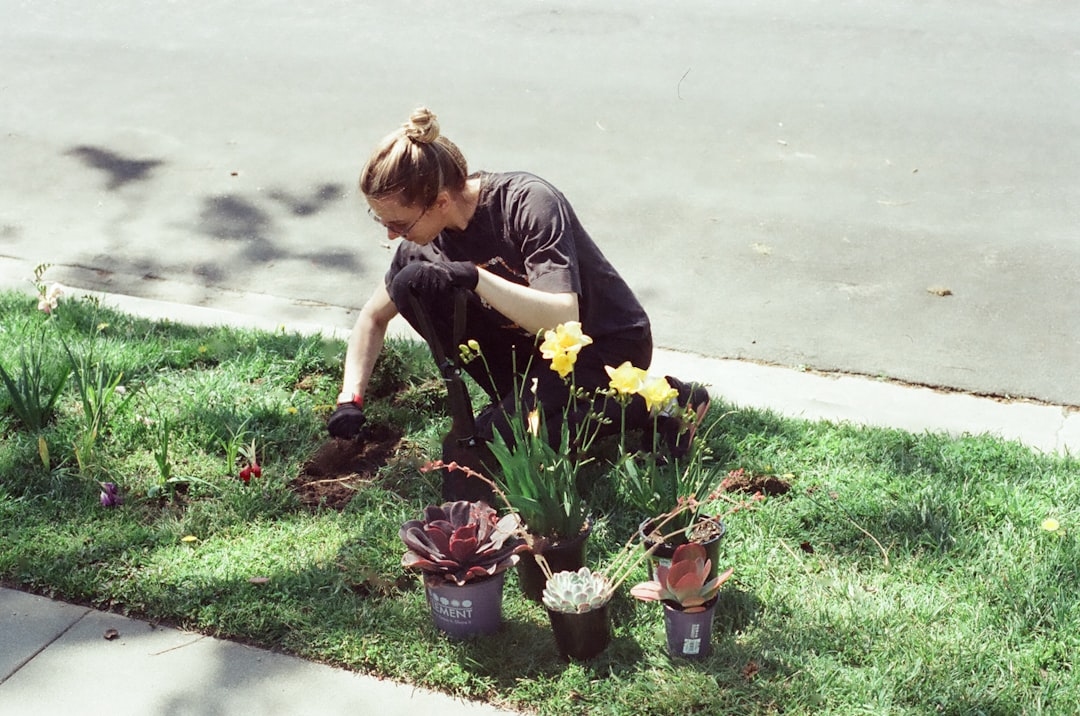
If you want to honor someone’s memory with a living tribute, several of these plants are easy to grow in US hardiness zones 4–9. Marigolds are bulletproof annuals you can direct-sow from seed after the last frost date (typically April–May in most of the continental US). Hyacinths are fall-planted bulbs that return every spring — plant them 4 inches deep, 6 inches apart, in well-drained soil.
For something more permanent, Italian cypress (Cupressus sempervirens) thrives in USDA zones 7–11 and grows at a rate of 12–24 inches per year, eventually reaching 40–70 feet tall. It’s a living monument that will outlast everyone who plants it.
Frequently Asked Questions
What flower is most associated with death?
The white lily is the most widely recognized death-associated flower in the United States. In Asian cultures, the white chrysanthemum holds that role. Globally, the red poppy symbolizes remembrance of the war dead.
Are there flowers you should never bring to a funeral?
In Western contexts, there are no strict taboos, but vibrant tropical flowers like birds of paradise or bright sunflowers can feel tonally mismatched at somber services. In East Asian cultures, avoid red flowers, which symbolize happiness and celebration rather than mourning.
What do black flowers symbolize?
Black flowers — whether naturally dark varieties or dyed blooms — symbolize death, farewell, the end of a chapter, and sometimes rebellion or non-conformity. They appear frequently in gothic aesthetics and are occasionally used at unconventional memorial services.
What flowers are used on Día de los Muertos altars?
Marigolds (Tagetes erecta) are the primary flower used on Día de los Muertos altars. Their bright orange color and strong scent are believed to guide the spirits of the dead back to the living world during the November 1–2 celebration.
Can I plant a memorial garden with death-symbolism flowers?
Absolutely. Good choices include marigolds (annual, easy from seed), hyacinths (spring-blooming bulbs), forget-me-nots (self-seeding annual), and red poppies (perennial in zones 3–9). For a permanent living monument, Italian cypress works in zones 7–11.
Ready to Arrange Something Meaningful?
Now that you know which flowers represent death, mourning, and remembrance — and what they mean across cultures — you’re equipped to make genuinely thoughtful choices for memorial occasions, dark-aesthetic gardens, or cultural celebrations. Call a local florist and mention the cultural context you’re working with. A good floral designer will know exactly which blooms carry the right weight. And if you’re building a memorial garden, head to your nearest garden center this weekend — marigold and hyacinth bulb season waits for no one.