

Contents:
- Why Deer Avoid Certain Flowers
- Top Deer Resistant Flowers by Category
- Fragrant Perennials Deer Consistently Avoid
- Toxic or Bitter-Tasting Flowers
- Textural Deterrents
- Deer Resistant Flowers With an Eco-Friendly Edge
- Common Mistakes to Avoid
- Practical Tips for Planning a Deer-Resistant Garden
- FAQ: Deer Resistant Flowers
- What are the most deer resistant flowers?
- Are marigolds deer resistant?
- Do deer eat black-eyed Susans?
- What bulbs are deer resistant?
- Can deer resistant flowers still be eaten by deer?
Deer destroy more American gardens than most gardeners realize — the USDA estimates deer cause over $250 million in damage to ornamental plants each year. The good news is that some flowers are so unappealing to deer that they’ll skip right past them, even in high-pressure areas. Choosing the right deer resistant flowers isn’t just smart planting — it’s the difference between a thriving garden and a bare one.
Why Deer Avoid Certain Flowers
Deer rely heavily on smell and taste to decide what to eat. Plants that produce strong aromatic compounds, have thick or fuzzy textures, or contain mild toxins tend to be left alone. Lavender, for example, produces linalool — a terpene compound that deer find deeply repellent. Fuzzy-leafed plants like lamb’s ear feel unpleasant in a deer’s mouth. Toxic plants like foxglove trigger an instinctive avoidance response.
Understanding this helps you build a garden strategy rather than just picking random “deer-proof” plants from a list. No plant is 100% deer-proof when food is scarce in winter, but certain species are reliably passed over season after season.
Top Deer Resistant Flowers by Category
Fragrant Perennials Deer Consistently Avoid
- Lavender (Lavandula angustifolia): Hardy in USDA zones 5–8. Deer avoid the strong essential oils. Also attracts pollinators, making it a double win for eco-conscious gardeners.
- Russian Sage (Perovskia atriplicifolia): Zones 5–9. Tall, airy purple spikes that deer ignore due to the pungent foliage scent. Drought-tolerant once established.
- Catmint (Nepeta spp.): Zones 3–8. Low-maintenance, spreads naturally, and blooms repeatedly from spring through fall with minimal deadheading.
Toxic or Bitter-Tasting Flowers
- Foxglove (Digitalis purpurea): Zones 4–8. Contains cardiac glycosides — deer instinctively avoid it. Tall spikes in pink, purple, and white. Biennial, so plant new seedlings each year.
- Daffodils (Narcissus spp.): Zones 3–8. One of the most reliably deer-resistant bulbs available. The alkaloid lycorine in every part of the plant makes it toxic to deer and most other mammals. Plant at least 6 inches deep in fall.
- Bleeding Heart (Lamprocapnos spectabilis): Zones 3–9. Graceful arching stems with heart-shaped blooms. Contains isoquinoline alkaloids — deer leave it completely alone.
Textural Deterrents
- Lamb’s Ear (Stachys byzantina): Zones 4–8. The soft, woolly leaves are unpleasant for deer to eat. Silvery foliage pairs beautifully with almost any color palette.
- Globe Thistle (Echinops ritro): Zones 3–9. Spiny foliage makes this an obvious no for deer. Striking steel-blue spherical blooms from July to September.
- Yarrow (Achillea millefolium): Zones 3–9. Feathery, pungent foliage. Available in red, yellow, pink, and white. Native yarrow varieties also support native bee populations.
Deer Resistant Flowers With an Eco-Friendly Edge
Many of the best deer resistant flowers also happen to be native plants or pollinator magnets — a meaningful bonus for gardeners thinking beyond aesthetics. Coneflower (Echinacea purpurea), native to the eastern US and hardy in zones 3–9, is largely avoided by deer while supporting over 50 species of native bees. Black-eyed Susan (Rudbeckia hirta) offers similar benefits: deer-resistant, native, and a critical late-season food source for monarch butterflies.
Replacing deer-vulnerable exotic species with these natives also reduces the need for pesticide intervention, fencing, and chemical repellents — all of which carry environmental costs.
Common Mistakes to Avoid
- Relying on one repellent species as a “barrier”: Deer learn to navigate around single-species borders. Mix deer-resistant plants throughout your beds rather than planting them as a perimeter hedge.
- Skipping new plantings: Even deer-resistant plants are vulnerable in the first year before they establish strong scent compounds. Protect newly planted specimens with temporary fencing or spray repellent for the first season.
- Assuming annuals behave like perennials: Marigolds are often listed as deer-resistant, but deer pressure, regional habits, and drought stress can change that. Treat annual recommendations as “likely resistant,” not guaranteed.
- Ignoring your USDA zone: A plant deer avoid in zone 6 Pennsylvania may behave differently in zone 9 Texas, where deer populations, food competition, and plant chemistry can vary.
Practical Tips for Planning a Deer-Resistant Garden
Start by mapping your garden’s deer pressure level. High-pressure areas — near woodlands, suburban edges, or known deer corridors — require stricter plant selection than low-pressure zones. In high-pressure areas, stick to plants rated 4–5 on Rutgers University’s deer resistance scale (their cooperative extension publishes a free updated list by state).
Layer your plantings: place the most reliably resistant species like daffodils and lavender closest to entry points. Use moderately resistant plants like coneflower deeper in the garden where deer are less likely to venture. Budget roughly $3–$8 per perennial plug at most garden centers; buying in trays of six to nine plants reduces cost per unit significantly.
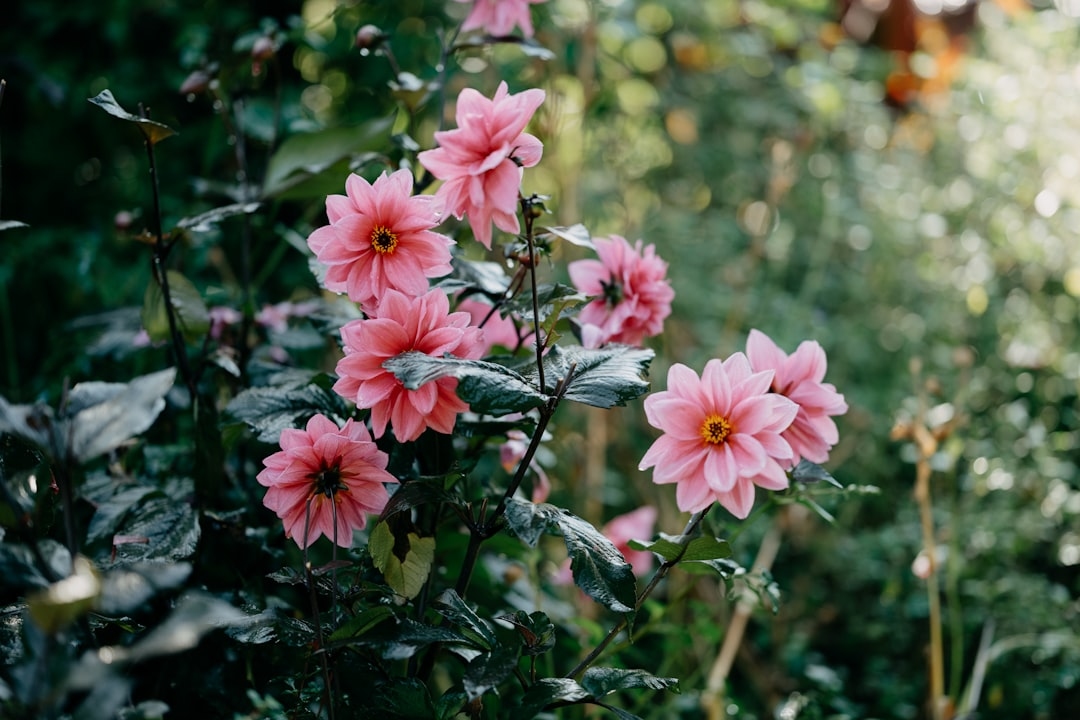
For event planning purposes — if you’re sourcing cut flowers or planning a garden installation for a specific date — focus on bloom timing. Lavender peaks June through August in most zones. Coneflower blooms July through September. Daffodils offer March–May color. Staggering species ensures continuous bloom without gaps.
FAQ: Deer Resistant Flowers
What are the most deer resistant flowers?
Daffodils, lavender, foxglove, Russian sage, and catmint are among the most consistently deer-resistant flowers in North America. All contain compounds — either toxins, strong oils, or unpleasant textures — that deer reliably avoid across most USDA hardiness zones.
Are marigolds deer resistant?
Marigolds are often cited as deer resistant due to their strong scent, but they are only moderately resistant. In high deer-pressure areas or during drought when food is scarce, deer will eat them. For reliable resistance, pair marigolds with stronger deterrents like lavender or daffodils.
Do deer eat black-eyed Susans?
Black-eyed Susans (Rudbeckia hirta) are considered deer resistant in most regions. Deer generally avoid them, especially when other food sources are available. They’re a strong choice for naturalistic or pollinator-friendly garden designs.
What bulbs are deer resistant?
Daffodils are the gold standard for deer-resistant bulbs. Alliums (ornamental onions), snowdrops, and Spanish bluebells are also reliably avoided. Tulips and lilies, by contrast, are highly attractive to deer and require protection.
Can deer resistant flowers still be eaten by deer?
Yes. No flower is completely deer-proof. During late winter when food is scarce, deer will eat plants they normally avoid. “Deer resistant” means significantly less likely to be browsed under normal conditions — not immune. In extreme pressure zones, physical barriers remain the most reliable protection.
Your next step: pull up the Rutgers Deer-Resistant Plants list for your specific state, cross-reference it with your USDA hardiness zone, and select three to five species across different bloom times. A garden built on deer resistant flowers doesn’t just survive — it gives you something to actually look forward to each season.