
Contents:
- Why Rock Gardens Demand Specific Flowers
- Top Rock Garden Flowers by Category
- Ground-Hugging Spreaders
- Upright and Mid-Height Flowers
- Drought-Tough Perennials
- An Expert Perspective on Plant Pairing
- Practical Tips for Planting Success
- Timing and Soil Prep
- Watering in Year One
- Fertilizing: Less Is More
- Budget Breakdown for a 25-Square-Foot Rock Garden
- What to Avoid Planting in a Rock Garden
- Frequently Asked Questions About Rock Garden Flowers
- What flowers grow best in a rock garden?
- Do rock garden plants need a lot of water?
- What USDA zones work for most rock garden flowers?
- How do I keep a rock garden looking good year-round?
- Can I grow rock garden flowers in containers?
- Build It Once, Enjoy It for Decades
Rock garden flowers get a bad reputation as an afterthought — a few scraggly plants stuffed between boulders to fill dead space. That’s the myth. The truth is that a well-planted rock garden can be one of the most dynamic, low-maintenance, and visually striking features in any yard. The catch is knowing which plants actually belong there.
Most gardening advice tells you to “choose drought-tolerant plants.” That’s technically correct but practically useless. Not every drought-tolerant plant handles sharp drainage, shallow soil, and reflected heat from stone. The flowers that thrive in a rock garden are a specific group — alpine and mat-forming species that evolved in exactly these conditions. Plant the wrong thing and you’ll have rot, failure, and frustration within a season.
This guide breaks down the best performers by category, tells you what to expect in terms of care and cost, and gives you a clear path to a rock garden that looks intentional, not accidental.
Why Rock Gardens Demand Specific Flowers
Standard garden soil holds moisture. Rock gardens don’t. Between the gravel mulch, the slope, and the fast-draining substrate, water moves through quickly — sometimes within minutes of rainfall. Plants that love consistent moisture will rot at the roots. Plants that need rich, loamy soil will starve.
Rock gardens also create microclimates. South-facing stone faces get intense heat. North-facing pockets stay cool and slightly moist. A single 10-foot rock garden can have three or four distinct growing zones. The best approach is to match plant selection to each pocket rather than planting uniformly across the whole bed.
Soil composition matters too. A proper rock garden mix runs about 50% inorganic material — gravel, crushed granite, or coarse sand — blended with 50% topsoil or compost. That ratio supports root anchorage without waterlogging. If you’re building from scratch, budget around $40–$80 for soil amendments per 10 square feet.
Top Rock Garden Flowers by Category
Ground-Hugging Spreaders
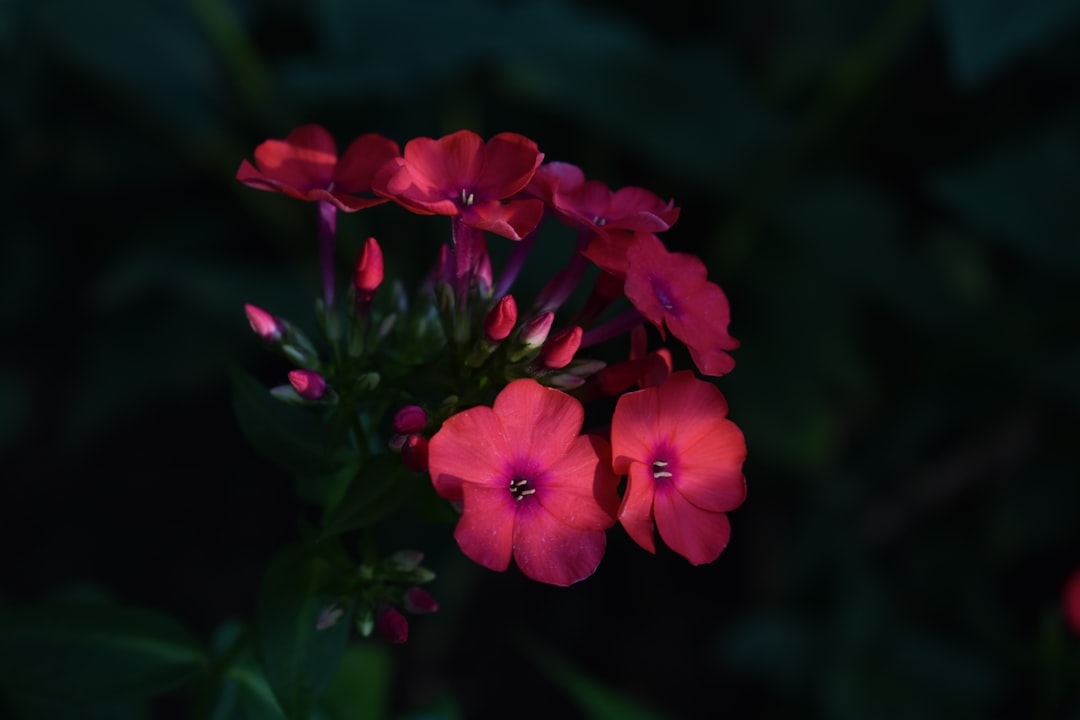
Creeping Phlox (Phlox subulata) is the workhorse of rock gardens. It forms dense, 4–6 inch tall mats that bloom in April and May, producing a carpet of pink, purple, white, or red flowers that can stop people in their tracks. Hardy in zones 3–9, it tolerates poor soil and spreads about 2 feet per plant over three seasons. Price: $4–$8 per 4-inch pot.
Aubrieta behaves similarly and delivers brilliant purple or magenta blooms in early spring. It’s slightly less aggressive than phlox, making it better for tight spaces between rocks. Cut it back by half after flowering and it’ll come back fuller next year. Hardy zones 4–8. Price: $5–$10.
Ice Plant (Delosperma spp.) is the choice for hot, dry climates (zones 5–9). Its daisy-like flowers in yellow, orange, and magenta appear from late spring through fall — a longer bloom window than almost any other rock garden plant. It handles reflected heat from stone without flinching. Price: $4–$9.
Upright and Mid-Height Flowers
Alpine Aster (Aster alpinus) grows 6–12 inches tall with blue-violet daisy flowers in late spring. It’s one of the few rock garden plants that adds vertical interest without overwhelming surrounding spreaders. Space plants 12 inches apart. Hardy zones 3–7. Price: $6–$12.
Basket-of-Gold (Aurinia saxatilis) produces mounds of bright yellow flowers in April and grows 8–12 inches tall. It combines beautifully with purple aubrieta — the color contrast is sharp and intentional-looking. Full sun, excellent drainage, zones 3–7. Price: $5–$10.
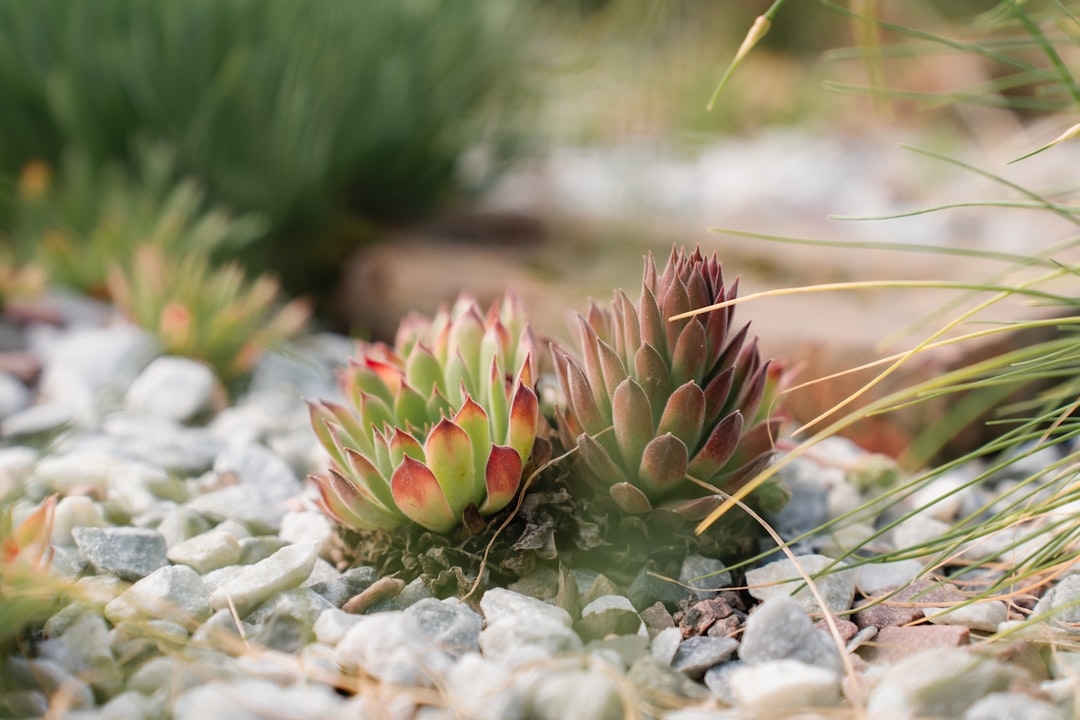
Hen and Chicks (Sempervivum spp.) isn’t a flowering plant in the traditional sense, but it produces dramatic rosettes that send up flower stalks in summer before dying and leaving behind a cluster of offsets. It’s nearly indestructible and works in zones 3–8. Price: $3–$7 per rosette.
Drought-Tough Perennials
Sedum covers a broad genus but the low-growing varieties — Sedum acre, S. spurium, S. kamtschaticum — are built for rocky terrain. They spread steadily, bloom in summer, and require almost no attention once established. Most are hardy zones 3–9. Price: $4–$8.
Dianthus (Dianthus gratianopolitanus, Cheddar Pink) produces clove-scented pink flowers on 6-inch plants from late spring into early summer. It tolerates alkaline soil well — common in rock garden settings — and self-seeds moderately. Zones 3–9. Price: $5–$10.
An Expert Perspective on Plant Pairing
“The biggest mistake I see in rock gardens is planting too many bloomers without thinking about structure,” says Margaret Calloway, Certified Professional Horticulturist (CPH) and owner of Stone Ridge Perennial Nursery in Asheville, NC. “Mix at least one mat-forming plant, one upright accent, and one foliage plant per pocket. That gives you interest from April through October, not just a two-week show in May.”
Calloway recommends pairing creeping phlox with alpine aster and a small Sempervivum cluster as a starting trio. The phlox covers ground early, the aster adds height in late spring, and the Sempervivum carries the planting visually through summer and fall.
Practical Tips for Planting Success
Timing and Soil Prep
Plant in early spring or early fall — not midsummer. Rock garden plants in full heat need constant watering their first few weeks, which defeats the purpose. Fall planting allows roots to establish during cool weather before winter dormancy.
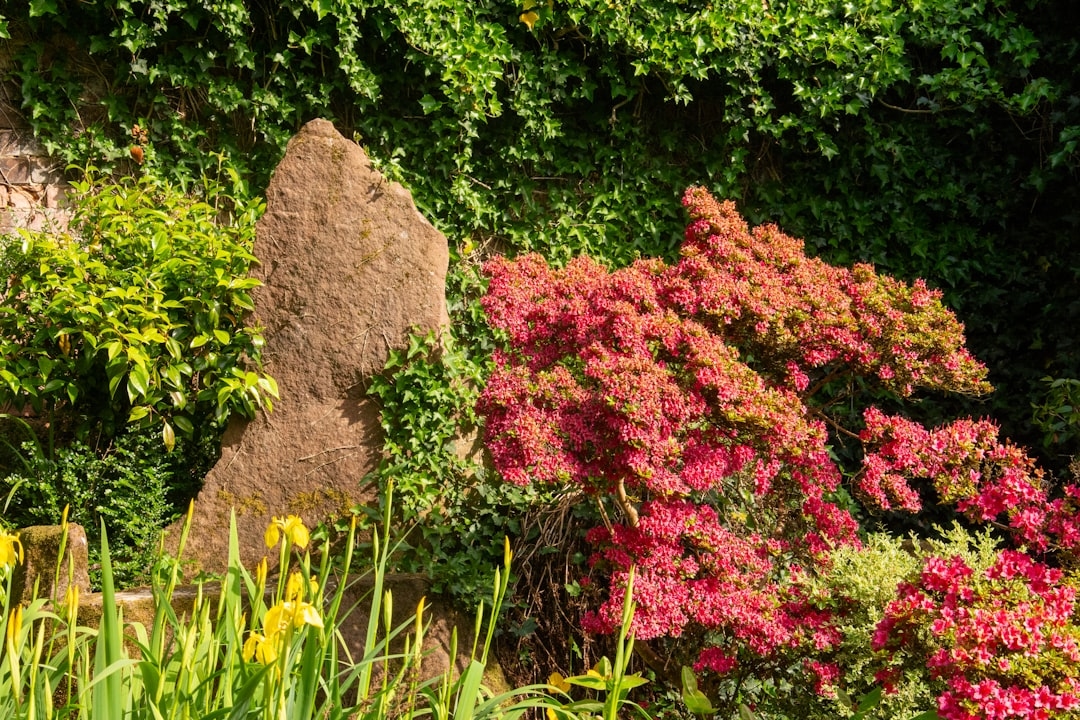
Before planting, remove all existing vegetation and amend the top 6 inches of soil with coarse grit or pea gravel if the site drains slowly. A 2-inch layer of gravel mulch after planting prevents crown rot, which is the number one killer of alpine plants.
Watering in Year One
Established rock garden plants need little water. But year one is different. Water newly planted specimens every 3–4 days for the first 6 weeks, then taper off. By year two, most plants on this list survive on rainfall alone in zones with at least 20 inches of annual precipitation.
Fertilizing: Less Is More
Skip the fertilizer. Rich soil encourages lush, floppy growth that looks wrong in a rock garden and may not survive winter. If plants look pale after two full seasons, apply a slow-release, low-nitrogen fertilizer (5-10-10) once in early spring. That’s it.
Budget Breakdown for a 25-Square-Foot Rock Garden
- Soil amendment (gravel + compost): $60–$100
- Plants (15–20 specimens): $60–$160
- Gravel mulch (2-inch layer): $20–$40
- Rocks or boulders (if not already present): $50–$200 depending on local stone prices
- Total estimate: $190–$500
DIY rock gardens on the lower end of that range are completely achievable. The biggest cost driver is the stone itself. Source local fieldstone or limestone from landscape suppliers rather than buying decorative rock — it looks more natural and costs significantly less.
What to Avoid Planting in a Rock Garden
Some plants marketed as “rock garden appropriate” perform poorly in practice. Avoid tall ornamental grasses — they’re drought-tolerant but visually dominate and crowd low-growing alpines. Skip most annual flowers; they need regular replanting and richer soil. Large-leafed hostas are a common mistake — they need moisture and shade, neither of which a typical rock garden provides.
Mint is another trap. It spreads aggressively through any soil type and will overtake a rock garden within two seasons. Even the “well-behaved” varieties become a problem.
Frequently Asked Questions About Rock Garden Flowers
What flowers grow best in a rock garden?
Creeping phlox, sedum, aubrieta, ice plant, alpine aster, basket-of-gold, and Cheddar pink are consistently the best performers. They tolerate poor, well-drained soil and full sun, which are the defining conditions of most rock gardens.
Do rock garden plants need a lot of water?
Once established — typically after one full growing season — most rock garden perennials thrive on natural rainfall in areas with 20+ inches annually. Year one requires supplemental watering every 3–4 days for the first 6 weeks after planting.
What USDA zones work for most rock garden flowers?
The majority of popular rock garden plants are hardy in zones 3–9. Specific plants like ice plant prefer zones 5–9, while creeping phlox and sedum handle zones 3–9 reliably.
How do I keep a rock garden looking good year-round?
Choose plants with different bloom times and include foliage plants like Sempervivum for off-season structure. Deadhead spent blooms on asters and dianthus to extend flowering. Cut back mat-forming plants by one-third after their main bloom to encourage dense regrowth.
Can I grow rock garden flowers in containers?
Yes. Shallow terracotta or concrete troughs with drainage holes work well for alpine plants. Use a mix of 50% potting soil and 50% perlite or coarse grit. Most sedums, Sempervivum, and creeping thyme adapt well to container rock gardens on patios or balconies.
Build It Once, Enjoy It for Decades
A rock garden planted with the right flowers is genuinely low-maintenance after year two. No weekly watering, no annual replanting, no constant deadheading. The plants expand slowly, fill gaps naturally, and return reliably each spring. Your first step: pick one 4-foot section of your yard, prep the soil properly, and start with a three-plant combination — one spreader, one upright, one foliage plant. Get that right, then expand. A rock garden built in sections, with attention to plant selection, beats a rushed full installation every time.