




Contents:
- Why Spreading Ground Cover Flowers Outperform Traditional Mulch
- Top Ground Cover Flowers That Spread Effectively
- Creeping Phlox (Phlox subulata)
- Creeping Thyme (Thymus serpyllum)
- Sweet Woodruff (Galium odoratum)
- Ajuga (Ajuga reptans)
- Lantana (Lantana camara)
- Matching Spreading Flowering Ground Covers to Your Region
- Practical Tips for Getting Ground Covers to Spread Faster
- FAQ: Ground Cover Flowers That Spread
- What is the fastest-spreading flowering ground cover?
- What flowering ground cover grows in full shade?
- Are spreading ground cover flowers invasive?
- How long does it take for ground cover flowers to fill in?
- Can ground cover flowers replace a lawn?
- Making the Right Choice for Your Space
Bare patches in the garden have a way of mocking you. You plant something, wait a season, and somehow the weeds show up faster than anything you intended to grow. If you’ve been searching for ground cover flowers spreading reliably across problem areas, you’re not alone — and you have far better options than you might think. The right flowering ground cover does triple duty: it smothers weeds, stabilizes soil, and puts on a seasonal show that bare mulch never could.
This guide cuts through the noise to help you pick the right plant for your specific conditions — whether you’re dealing with a shady slope in the Pacific Northwest or a sun-baked front strip in Georgia.
Why Spreading Ground Cover Flowers Outperform Traditional Mulch
Mulch degrades. It washes away. It needs replacing every year or two at real cost — typically $3 to $6 per bag, with an average-sized bed requiring 10 to 15 bags annually. A well-chosen flowering ground cover, by contrast, is a one-time investment that expands on its own. Many perennial varieties spread 12 to 24 inches per growing season once established, creating a living carpet that outcompetes weeds through shading and root competition.
Beyond the practical benefits, flowering ground covers add biodiversity. Creeping thyme, for instance, attracts pollinators while releasing a mild fragrance underfoot. That’s a lot to ask of a bag of cedar chips.
Top Ground Cover Flowers That Spread Effectively
Creeping Phlox (Phlox subulata)
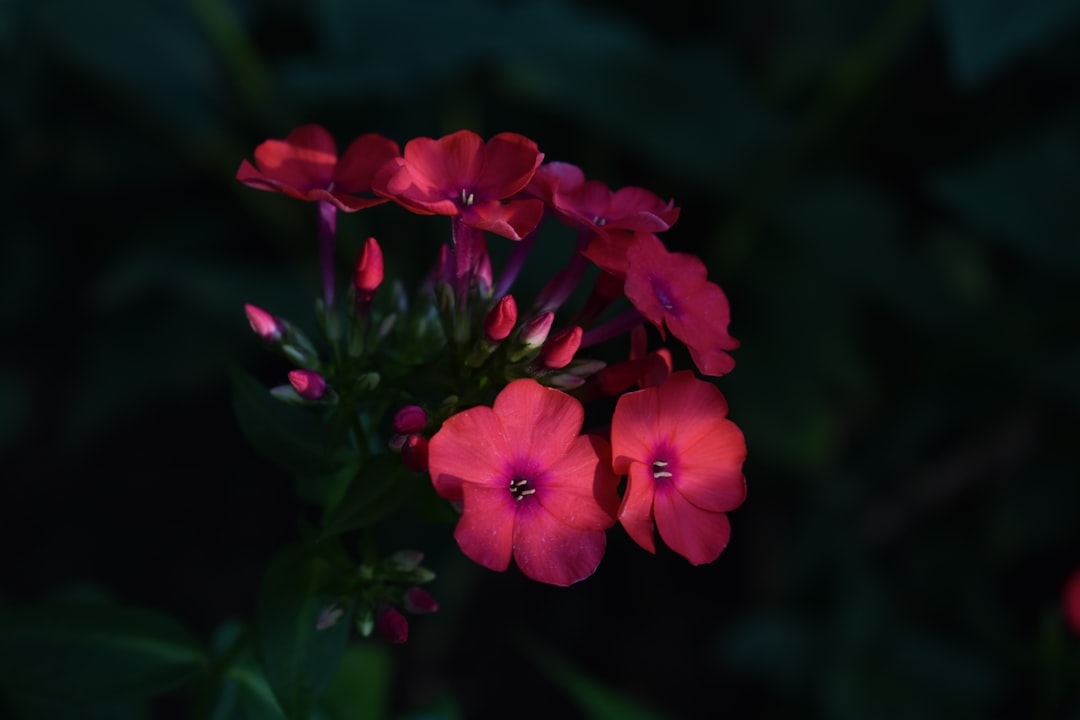
Few plants deliver the visual payoff of creeping phlox in spring. It erupts in dense mats of pink, purple, white, or bicolor blooms in April and May, then settles into tidy evergreen foliage for the rest of the year. It spreads roughly 2 feet per season in ideal conditions and performs best in USDA zones 3–9. Plant it at the top of a retaining wall or on a rocky slope and let gravity do the rest.
A reader in western Pennsylvania shared that she replaced a steep, erosion-prone hillside with creeping phlox after losing three rounds to grass seed that never took. Within two growing seasons, the slope was fully covered. She hasn’t touched it since, except to divide a few sections and give them to neighbors.
Creeping Thyme (Thymus serpyllum)
This is the workhorse of sunny ground covers. Creeping thyme tolerates foot traffic, drought, and poor soil with almost cheerful indifference. It produces tiny lavender-pink flowers in early summer that bees adore, and it spreads 12 to 18 inches annually. At $3 to $8 per plant at most garden centers, it’s also budget-friendly to mass-plant. Hardy in zones 4–9.
Sweet Woodruff (Galium odoratum)
If your problem area is shady and moist, sweet woodruff is the answer most gardeners overlook. It produces delicate white star-shaped flowers in spring and spreads aggressively through rhizomes in part to full shade — exactly where most ground covers refuse to perform. In the Pacific Northwest, where cool, damp conditions prevail, sweet woodruff can spread 3 feet or more in a single season. Zones 4–8.
Ajuga (Ajuga reptans)
Also called bugleweed, ajuga is one of the most adaptable spreading flowers available. It tolerates full sun to full shade, produces spikes of blue-purple blooms in spring, and spreads via stolons at a rate that will fill a 4-by-4-foot area within one to two seasons. The foliage comes in bronze, burgundy, and variegated forms, adding year-round interest. Zones 3–9.
Lantana (Lantana camara)
In the South — particularly across Texas, Florida, and the Gulf Coast states — lantana is the go-to blooming spreader. It thrives in heat, humidity, and even drought, producing clusters of orange, yellow, red, and pink flowers continuously from spring through frost. In frost-free zones (9–11), it grows as a woody perennial and can spread several feet per season. Northern gardeners can grow it as an annual, but they won’t get the same spreading effect in one season.
Matching Spreading Flowering Ground Covers to Your Region
Regional conditions matter more than most gardeners realize when selecting plants for coverage. The Northeast’s cold winters and clay-heavy soils favor tough perennials like creeping phlox and ajuga. The Southeast’s heat and humidity make lantana and society garlic (Tulbaghia violacea) strong performers. On the West Coast, where summer drought is common, sun rose (Helianthemum nummularium) and drought-tolerant ice plant (Delosperma) spread reliably without irrigation once established.

Before purchasing, check your USDA hardiness zone and — just as importantly — your average summer rainfall. A plant that spreads beautifully in Seattle may stall entirely in Phoenix without supplemental water.
Practical Tips for Getting Ground Covers to Spread Faster
- Prepare the soil first. Loosen the top 4 to 6 inches and amend with compost if drainage is poor. Ground covers spread faster in loose soil than compacted earth.
- Plant in staggered rows. Space plants at 50 to 75 percent of their mature spread to encourage faster coverage without overcrowding in year one.
- Mulch between plants initially. A 2-inch layer of mulch between new transplants suppresses weeds while the ground cover fills in, usually within 12 to 18 months.
- Water consistently for the first season. Even drought-tolerant varieties need regular watering until established — typically once or twice per week for the first 8 to 12 weeks.
- Divide and replant runners. Many spreading ground covers, including ajuga and creeping phlox, can be divided after their second year and replanted to accelerate coverage of adjacent areas at zero additional cost.
FAQ: Ground Cover Flowers That Spread
What is the fastest-spreading flowering ground cover?
Ajuga and creeping Jenny (Lysimachia nummularia) are among the fastest-spreading flowering ground covers, capable of filling a 4-square-foot area within one to two growing seasons. In warm climates, lantana also spreads rapidly.
What flowering ground cover grows in full shade?
Sweet woodruff and ajuga both thrive in full shade. Sweet woodruff is especially effective under dense tree canopies where little else will grow, producing white flowers each spring.
Are spreading ground cover flowers invasive?
Some can be aggressive in certain regions. Ajuga, creeping Jenny, and sweet woodruff may spread beyond intended areas in ideal conditions. Check with your local cooperative extension office to confirm a plant isn’t listed as invasive in your state before planting.
How long does it take for ground cover flowers to fill in?
Most flowering ground covers take one to three growing seasons to achieve full coverage, depending on spacing and growing conditions. Planting at 12-inch intervals rather than 18 inches can cut that timeline significantly.
Can ground cover flowers replace a lawn?
Yes, in appropriate areas. Creeping thyme handles light foot traffic and works well as a lawn alternative in zones 4–9. It requires no mowing, minimal fertilization, and produces flowers that attract pollinators — advantages traditional turf grass cannot offer.
Making the Right Choice for Your Space
The best ground cover flowers spreading across your garden are the ones matched carefully to your specific light, soil, moisture, and climate conditions. A plant thriving in a neighbor’s yard may underperform in yours if the conditions differ by even one key variable. Start with one or two varieties suited to your zone, observe how they establish in year one, and expand from there.
If you’re ready to move forward, visit your local independent garden center rather than a big-box store — staff there can confirm regional performance and often carry varieties better adapted to local conditions. Your bare patch has met its match.