Contents:
- Why Container Gardening Works So Well for Flowers
- The Easiest Flowers for Pots: Top Picks for Beginners
- Marigolds (Tagetes)
- Petunias
- Geraniums (Pelargoniums)
- Impatiens
- Zinnias
- Pansies
- Pot Size and Soil: Getting the Basics Right
- Sunlight, Watering, and Seasonal Timing
- Practical Tips for Keeping Your Container Garden Thriving
- Frequently Asked Questions
- What is the easiest flower to grow in a pot for beginners?
- How many flowers can I plant in one pot?
- Do pot flowers need special soil?
- How often should I water flowers in pots?
- Can I grow flowers in pots year-round?
- Your Next Step: Pick One and Start
Over 80% of Americans live in urban or suburban areas — yet studies show that gardening remains one of the top stress-relieving hobbies in the country. The catch? Most people don’t have a backyard. That’s exactly why finding the easiest flowers for pots isn’t just a nice-to-know — it’s the difference between a thriving balcony garden and a sad, forgotten planter on your doorstep.
Container gardening has exploded in popularity. And the good news for beginners? Some of the most beautiful flowering plants on the planet actually prefer the contained environment of a pot. Less competition from weeds, better drainage control, and the ability to move them into optimal sunlight — pots can be a flower’s best friend.
This guide walks you through the best beginner-friendly container flowers, exactly how to care for them, and what the pros know that most hobby gardeners don’t.
Why Container Gardening Works So Well for Flowers
Before picking a single bloom, it helps to understand why pots are actually a smart choice for beginners. When you plant in the ground, you’re working with existing soil chemistry, drainage patterns, and root competition from surrounding plants. A pot gives you a clean slate.
You control the soil mix. You control watering frequency. You can move the pot if a plant is getting too much afternoon sun. That flexibility is powerful, especially when you’re still learning what different flowers need.
Container flowers also tend to have a longer visual impact. Because you’re not fighting weeds or soil pests, you spend more time enjoying the blooms and less time troubleshooting problems in the dirt.
The Easiest Flowers for Pots: Top Picks for Beginners
Not all flowers tolerate container life equally. The ones below are forgiving, widely available at garden centers across the US, and reliably beautiful even with occasional beginner mistakes.
1. Marigolds (Tagetes)
Marigolds are practically indestructible. They thrive in full sun, tolerate heat, and bloom continuously from late spring through the first frost. A single 12-inch pot can support 3–4 marigold plants, producing dozens of blooms at a time. They’re also natural pest repellents — their scent deters aphids and whiteflies, which is a bonus if you’re growing herbs or vegetables nearby.
Choose French marigolds (Tagetes patula) for compact, bushy growth that stays tidy in smaller pots. African marigolds (Tagetes erecta) grow taller — up to 3 feet — and work better in larger containers or half-barrel planters.
2. Petunias
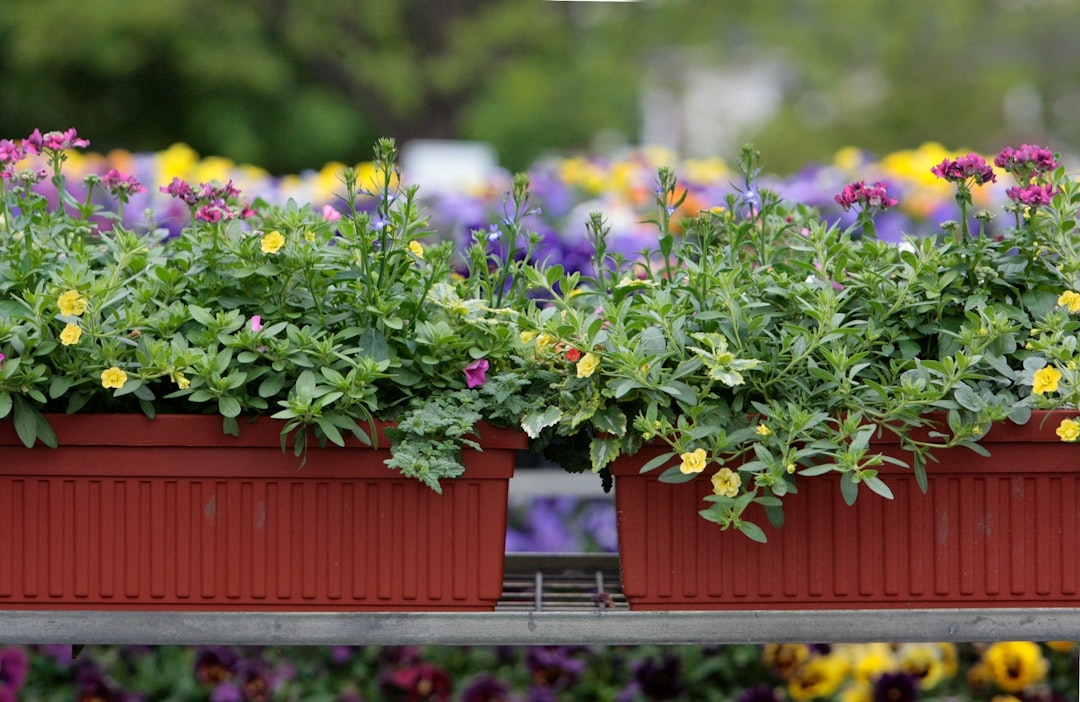
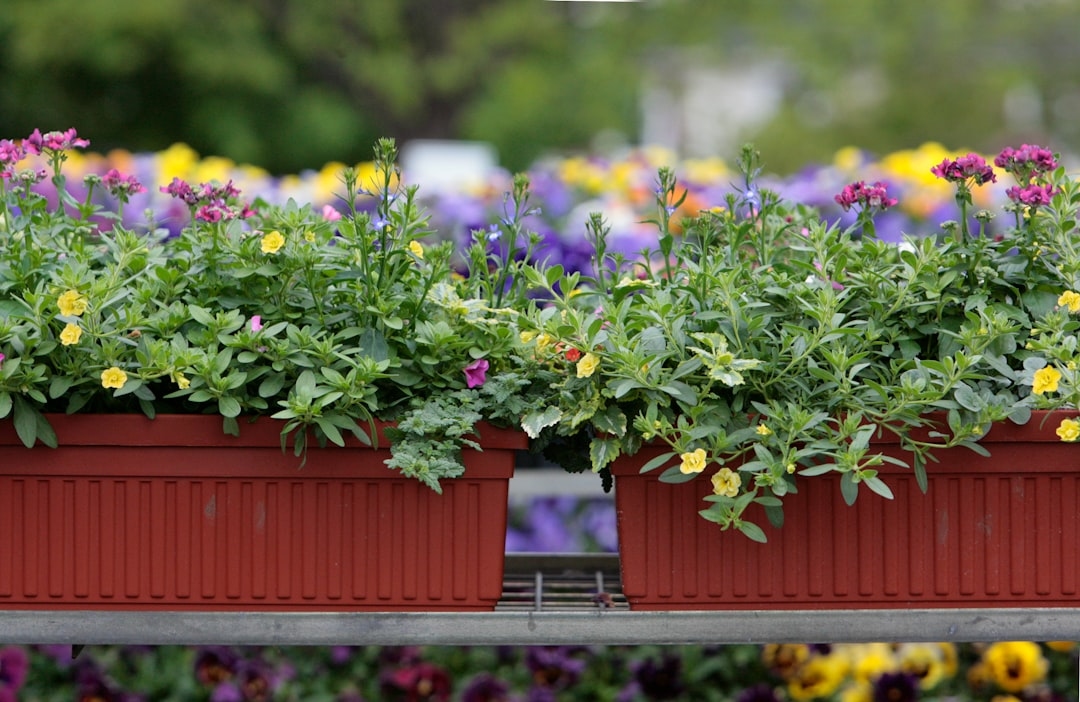
Petunias are the classic hanging basket and window box flower for a reason. They cascade beautifully, come in hundreds of color combinations, and ask for very little beyond regular watering and occasional feeding. Wave petunias, in particular, spread up to 4 feet and fill a large pot with a waterfall of color.
One thing to know: petunias are heavy feeders. Use a balanced, slow-release fertilizer at planting time and follow up with a liquid bloom fertilizer every two weeks during peak growing season for the best results.
3. Geraniums (Pelargoniums)
Few flowers look as effortlessly elegant in a terracotta pot as a geranium. They prefer to dry out slightly between waterings — which means they’re more forgiving of the occasional forgotten watering day than most flowers. In USDA zones 9–11, they can overwinter outdoors. In colder zones, bring them inside and they’ll often rebloom the following spring.
Zonal geraniums are the most common variety and the easiest to manage. Look for cultivars labeled “Calliope” or “Americana” at most garden centers — these are bred specifically for container performance.
4. Impatiens
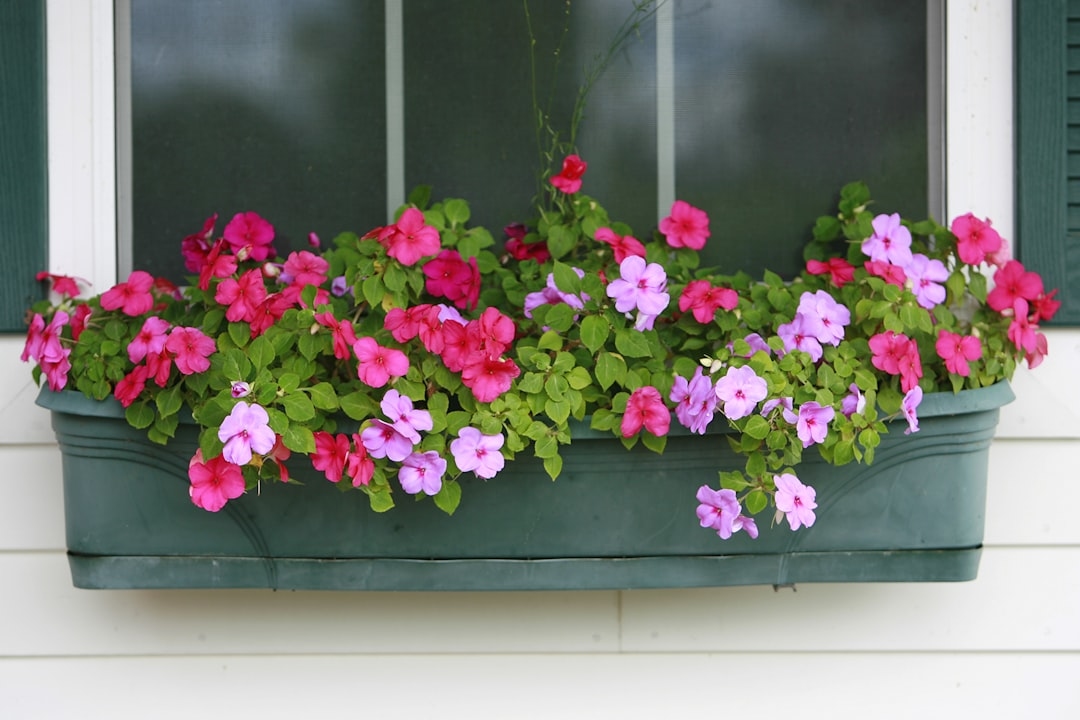
Got a shady balcony or a north-facing porch? Impatiens are your answer. They’re one of the only flowering annuals that genuinely thrive without direct sunlight. They bloom non-stop from planting until frost and come in every shade from white to deep coral to electric orange.
Keep the soil consistently moist — impatiens wilt quickly when dry but bounce back fast after watering. A 10-inch pot can hold 4–5 plants for a full, lush look within 3–4 weeks of planting.
5. Zinnias
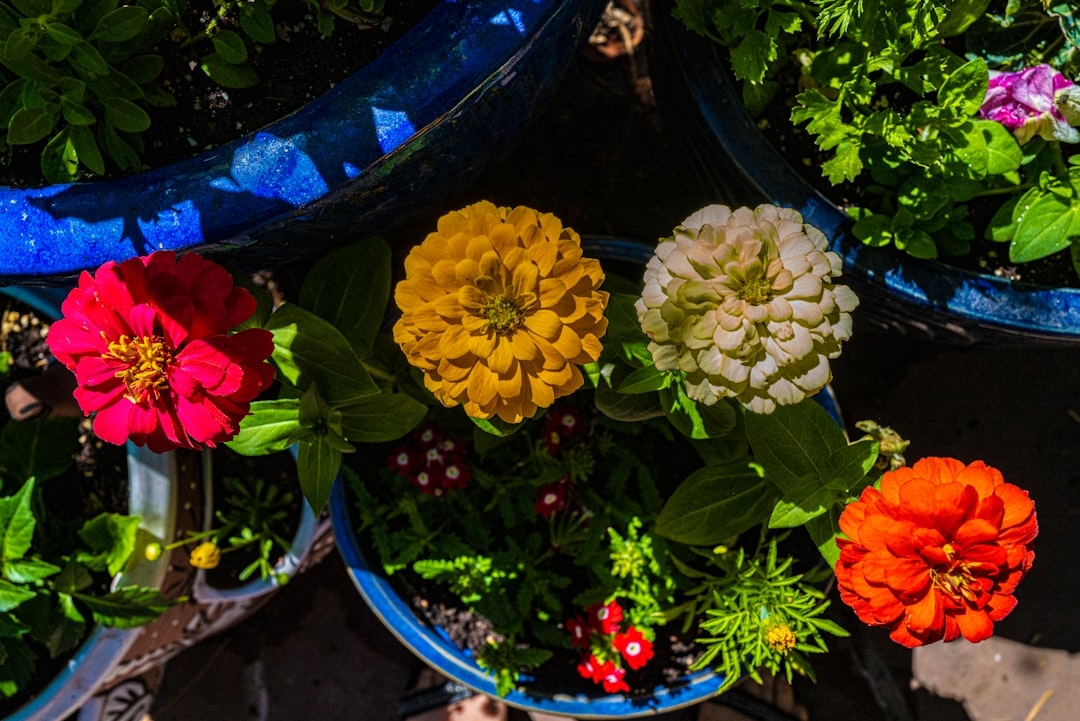
Zinnias are one of the fastest-growing annuals available. They go from seed to bloom in roughly 8–10 weeks, making them extremely satisfying for beginner gardeners who want results quickly. Smaller varieties like “Thumbelina” or “Lilliput” are perfectly sized for 8- to 12-inch containers.
Plant zinnias in full sun and water at the base — wet foliage can encourage powdery mildew. Deadhead spent blooms regularly to keep new flowers coming throughout summer.
6. Pansies
For early spring and fall color, pansies are unmatched. They tolerate light frosts, which makes them one of the few flowers you can plant before your last frost date. Most gardeners in the US can get pansies into pots 4–6 weeks before the final expected frost in their zone.
Their only downside: they fade fast in summer heat. Use them as a spring display, then swap them out for heat-tolerant annuals in June.
Pot Size and Soil: Getting the Basics Right
Choosing the right flower is only half the equation. The container and growing medium matter just as much.
As a general rule, most annual flowers need at least 6–8 inches of soil depth to establish healthy root systems. For larger plants like geraniums or wave petunias, aim for 10–12 inches minimum. Drainage holes are non-negotiable — sitting water causes root rot faster than almost anything else.
Skip the regular garden soil entirely. Use a high-quality potting mix labeled for containers. These mixes are designed to stay loose and drain well, unlike garden soil, which compacts in pots and suffocates roots. A 2-cubic-foot bag of quality potting mix costs $10–$15 at most hardware stores and covers several medium-sized pots.
🌿 What the Pros Know
Mix slow-release granular fertilizer directly into your potting soil at planting time. Products like Osmocote (available at most garden centers for around $12) feed your plants for up to 6 months, so you won’t need to worry about weekly feeding schedules — a real advantage for busy beginners.
Sunlight, Watering, and Seasonal Timing
Most flowering annuals need 6–8 hours of direct sun daily. Before buying anything, spend one day observing where your outdoor space gets sun and for how long. That single habit will prevent more beginner mistakes than any other piece of advice.
Watering frequency depends on pot size, material, and weather. Terracotta pots dry out 30–40% faster than plastic or glazed ceramic because they’re porous. During summer heat waves, small terracotta pots may need daily watering. Stick your finger 1 inch into the soil — if it’s dry at that depth, water thoroughly until it drains from the bottom.
“The number one mistake I see from beginner container gardeners is watering on a schedule instead of watering based on soil moisture,” says Dr. Lydia Harmon, certified horticulturist and urban garden consultant based in Austin, Texas. “A plant in a shaded spot in Seattle needs water far less often than the same plant in a sunny window box in Phoenix. Learn to read your plant, not your calendar.”
Practical Tips for Keeping Your Container Garden Thriving
- Group pots together. Clustered containers create a microclimate with slightly higher humidity, which reduces water stress on hot days.
- Deadhead regularly. Removing spent blooms redirects the plant’s energy into producing new flowers instead of setting seed. Takes 5 minutes a week and doubles your bloom time.
- Feed every 2 weeks (unless you used slow-release fertilizer at planting). A balanced liquid fertilizer like 10-10-10 works well for most flowering annuals.
- Don’t overpot. Planting a small flower in an oversized pot often leads to poor blooming — the roots focus on expanding rather than flowering. Match pot size to plant size at purchase, then repot as needed.
- Check for pests weekly. Flip a few leaves and look for aphids, spider mites, or thrips. Catching infestations early — when there are fewer than 20 insects — means you can often wash them off with a strong stream of water instead of reaching for pesticides.
Frequently Asked Questions
What is the easiest flower to grow in a pot for beginners?
Marigolds are widely considered the easiest container flower for beginners. They tolerate heat, grow in almost any well-draining potting mix, and bloom continuously without deadheading. A single plant in a 6-inch pot will produce flowers from spring until frost.
How many flowers can I plant in one pot?
A general rule is one plant per 6 inches of pot diameter for upright varieties, or 3–5 plants per 12-inch pot for spreading flowers like petunias and impatiens. Crowding plants reduces airflow and increases the risk of fungal disease.
Do pot flowers need special soil?
Yes. Always use a potting mix specifically formulated for containers — never garden soil or topsoil. Container potting mixes are designed to drain well, stay loose, and support root health in the confined space of a pot.
How often should I water flowers in pots?
Check soil moisture daily during warm weather by pressing your finger 1 inch into the soil. Water when that inch feels dry. Most container flowers in summer sun need water every 1–2 days. Reduce frequency in cool weather or for plants in shaded spots.
Can I grow flowers in pots year-round?
In USDA zones 9–11, many flowers like geraniums and snapdragons grow year-round outdoors. In colder zones (3–8), use cool-season flowers like pansies and snapdragons in spring and fall, switch to heat-tolerant annuals in summer, and either bring tender perennials indoors for winter or start fresh each spring.
Your Next Step: Pick One and Start
The best container garden is the one you actually start. Pick one flower from this list — marigolds if you’re in full sun, impatiens if you’re working with shade — grab a bag of quality potting mix, and plant this weekend. You don’t need a green thumb, a large space, or any prior experience.
What you do need is a pot with drainage holes, a sunny (or shady) spot, and the willingness to check the soil moisture a few times a week. From there, the flowers handle the rest. Once you’ve had your first summer of blooms spilling over a container on your porch or balcony, you’ll wonder why you waited so long to start.