



Contents:
- What Makes a Great Trailing Plant for Containers
- Top Trailing Flowers for Planters: Species by Species
- Calibrachoa (Million Bells)
- Lobularia (Sweet Alyssum)
- Bacopa (Sutera cordata)
- Petunia (Wave and Tidal Wave Series)
- Dichondra ‘Silver Falls’
- Regional Considerations for Trailing Flowers in Planters
- Practical Tips for Getting the Most from Trailing Planters
- FAQ: Trailing Flowers for Planters
- What are the best trailing flowers for full-sun planters?
- Which trailing plants work best in shady planters?
- How do I keep trailing flowers blooming all summer?
- Can trailing flowers overwinter in planters?
- How many trailing plants should I put in one planter?
- Build Your Planter with Intention
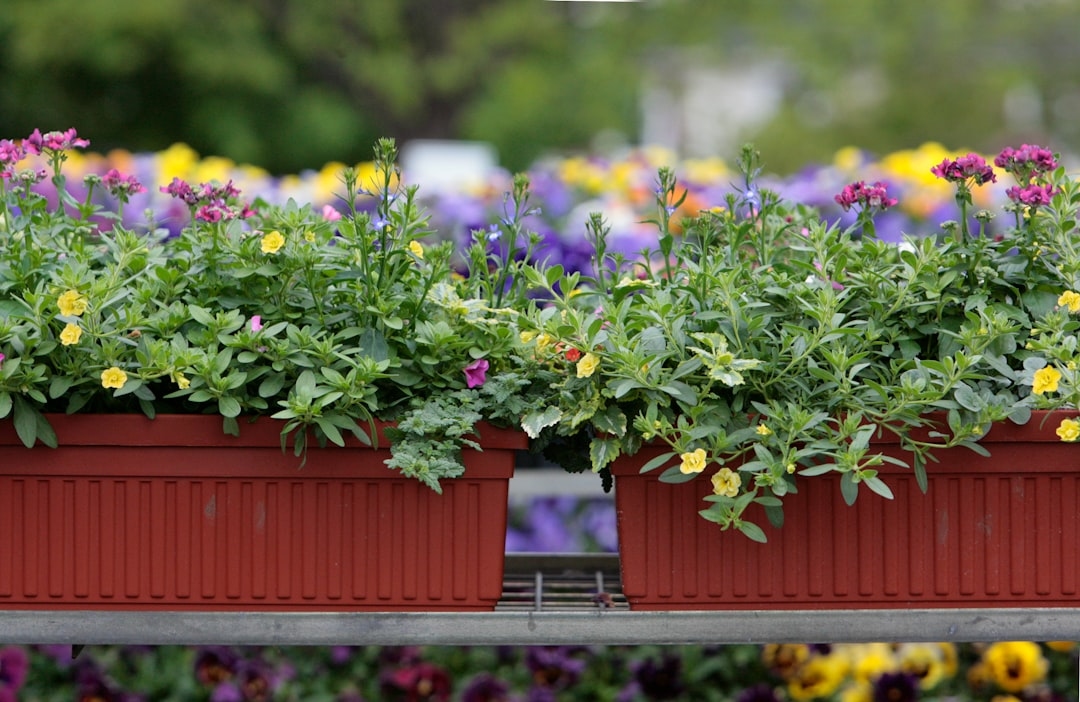
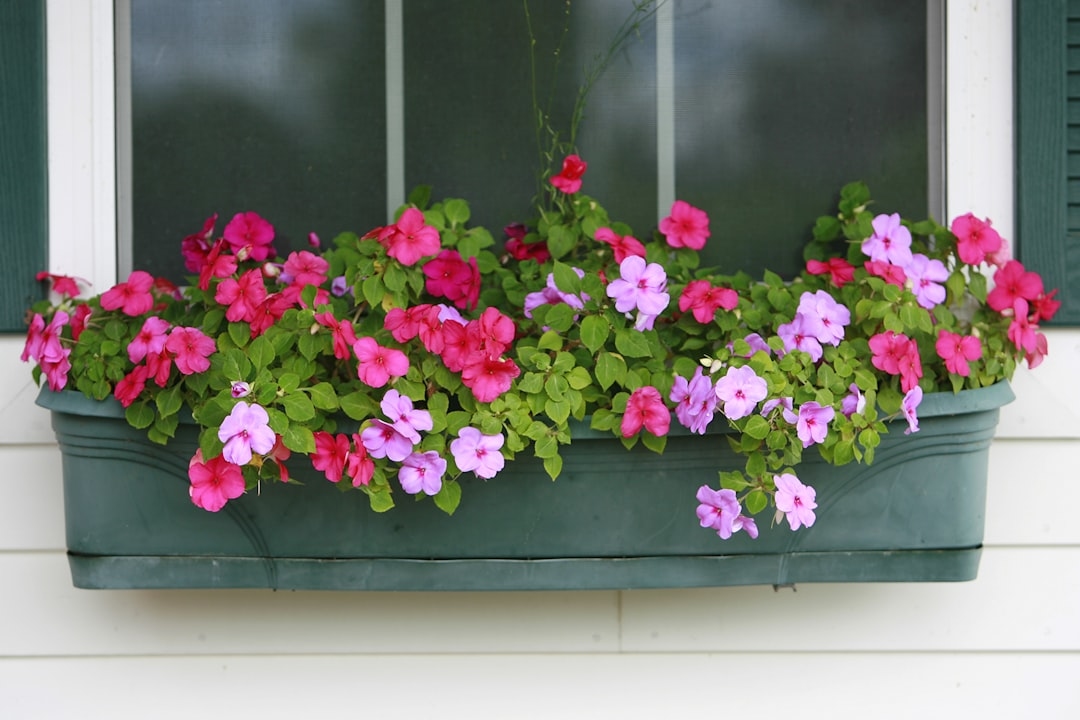
Picture a stone planter on a sun-drenched porch, its edges completely obscured by a waterfall of violet bacopa, cobalt lobelia, and gold-tipped calibrachoa spilling toward the ground. The colors bleed into one another like a living painting. That effect—effortless, abundant, almost wild—doesn’t happen by accident. It’s the result of choosing the right trailing flowers for planters and understanding how each plant behaves once it finds its footing.
Cascading annuals and perennials serve a specific architectural function in container gardening. They soften hard edges, add vertical dimension downward, and tie together the “thriller, filler, spiller” design formula that professional container designers rely on. The spiller is the unsung hero of that trio—and picking the wrong one can flatten an otherwise stunning arrangement.
What Makes a Great Trailing Plant for Containers
Not every sprawling plant belongs in a planter. The best trailing varieties share a few key traits: vigorous lateral growth without becoming invasive, tolerance for the heat and moisture fluctuations that containers create, and a long bloom window. Ideally, a trailing flower should perform for at least 14–16 weeks from transplant to first frost.
Root architecture matters too. Plants with compact, fibrous root systems—like calibrachoa or sweet potato vine—compete well in shared containers without crowding out neighbors. Deep taproots, by contrast, can hijack moisture and nutrients from companion plants.
Top Trailing Flowers for Planters: Species by Species
Calibrachoa (Million Bells)
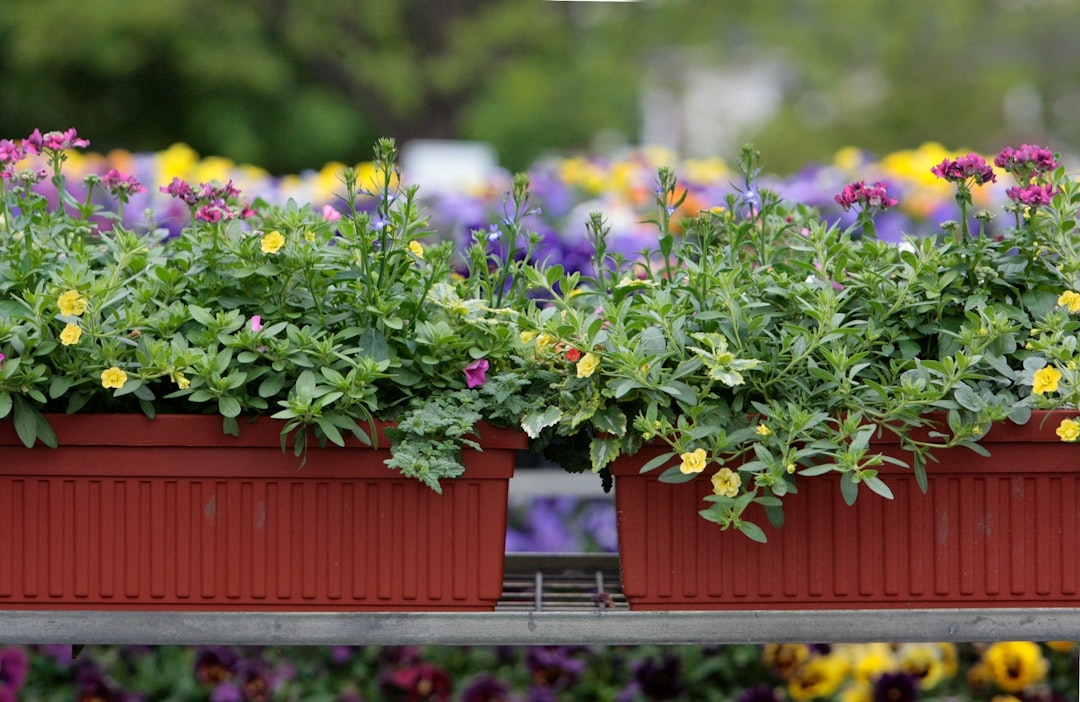
Calibrachoa is arguably the most reliable trailing flower for mixed planters in the US market. Individual blooms measure just 1 inch across but appear in such density that stems are barely visible. Plants trail 12–24 inches and are self-cleaning, meaning spent flowers drop without deadheading. They’re available in over 40 named varieties, with colors from near-black burgundy to neon yellow.
One critical note: calibrachoa is pH-sensitive. It develops iron chlorosis—yellowing between leaf veins—in soils above pH 6.0. Use an acidic potting mix or supplement with chelated iron every three weeks for best results.
Lobularia (Sweet Alyssum)
Sweet alyssum is an underrated choice that pulls double duty aesthetically and ecologically. Its honey-scented clusters of white, pink, or purple flowers attract beneficial insects, particularly parasitic wasps and hoverflies that prey on aphids. This makes it an excellent companion in planters near vegetable gardens—a genuinely practical sustainability benefit, not just a marketing claim.
Alyssum can go dormant in peak summer heat above 90°F but reliably rebounds in fall. In USDA Zones 9–11 (Southern California, coastal Texas), it often overwinters as a short-lived perennial.
Bacopa (Sutera cordata)
Bacopa produces tiny five-petaled flowers along wiry stems that trail up to 18 inches. It’s particularly well-suited to hanging baskets because the stems hold their structure even when fully loaded with blooms. ‘Snowstorm Giant Snowflake’ is among the most vigorous cultivars, with flowers nearly twice the size of standard types.
Gardeners in the humid Southeast should know that bacopa is susceptible to botrytis blight in wet, stagnant conditions. Space plants at least 8 inches apart and ensure baskets are hung where air circulation is good.
Petunia (Wave and Tidal Wave Series)
Standard petunias flop. Wave petunias trail—and there’s a meaningful difference. Wave-series cultivars were specifically bred for horizontal spread, extending 2–4 feet from the container edge. ‘Purple Wave’ was the original 1995 All-America Selections winner that launched the category, and modern descendants like ‘Tidal Wave Silver’ can span up to 4 feet in a single season.
In the Pacific Northwest, where cool summers and overcast skies prevail, petunias often outperform calibrachoa because they tolerate lower light levels more gracefully.
Dichondra ‘Silver Falls’
Not every trailing plant needs to flower to earn its place. Dichondra ‘Silver Falls’ produces cascades of small, kidney-shaped leaves coated in silver reflective hairs, trailing up to 4 feet. It’s drought-tolerant once established, making it a smart choice for water-conscious gardeners in the Southwest and Mountain West where supplemental irrigation is a concern. Pair it with electric blue lobelia or coral calibrachoa for maximum contrast.
Regional Considerations for Trailing Flowers in Planters
Climate shapes container plant performance more than any other factor. In the Northeast (Zones 5–6), the growing season runs roughly 16–20 weeks. Prioritize fast-establishing trailers like wave petunias and bacopa that hit peak coverage quickly. In the Southeast (Zones 7–9), heat and humidity favor pentas, torenia, and trailing vinca over moisture-sensitive options like bacopa. On the West Coast—particularly coastal California—moderate year-round temperatures allow gardeners to treat calibrachoa and alyssum as semi-permanent container residents, refreshing rather than fully replanting each spring.
The Upper Midwest presents its own constraint: shorter days and rapid temperature swings in May mean container plantings go in later (Memorial Day is still the rule of thumb in Zone 5) but can perform intensively through September.
Practical Tips for Getting the Most from Trailing Planters
- Container depth matters: Most trailing annuals need at least 8 inches of soil depth. Shallow window boxes under 6 inches dry out too quickly and restrict root development.
- Fertilize consistently: Container plants deplete nutrients fast. Apply a balanced slow-release fertilizer (such as Osmocote 14-14-14) at planting, then supplement with a liquid bloom booster (high middle number, like 10-30-20) every 10–14 days once buds appear.
- Water from the base when possible: Overhead watering on dense trailing plants promotes fungal issues. Self-watering planters with wicking reservoirs reduce disease pressure and cut watering frequency by up to 50%.
- Pinch early, not late: Pinching calibrachoa and bacopa back by one-third in early June—before they look like they need it—delays peak bloom slightly but produces a much fuller, more vigorous plant through August.
- Choose peat-free mixes where available: Peat extraction damages boreal wetlands. Coir-based or biochar-amended potting mixes now perform comparably to peat for most trailing annuals and are increasingly available at independent garden centers for $8–$14 per 1.5 cu ft bag.
FAQ: Trailing Flowers for Planters
What are the best trailing flowers for full-sun planters?
Calibrachoa, wave petunias, and portulaca are the top choices for full-sun containers receiving 6 or more hours of direct sun daily. All three tolerate heat well and bloom continuously without deadheading.
Which trailing plants work best in shady planters?
Torenia (wishbone flower), trailing begonias, and lobelia perform well in partial to full shade. Torenia in particular thrives in the humid, shaded conditions common in Southern gardens and produces flowers from June through October.
How do I keep trailing flowers blooming all summer?
Consistent fertilization is the primary driver of continuous bloom. Apply a high-phosphorus liquid fertilizer every 10–14 days, ensure the container never fully dries out, and cut stems back by 25–30% in midsummer if bloom production slows—this “hard pinch” typically triggers a flush of new growth within 2–3 weeks.
Can trailing flowers overwinter in planters?
Most trailing container flowers sold in the US are frost-tender annuals and won’t survive freezing temperatures. In Zones 9–11, alyssum, calibrachoa, and trailing rosemary can overwinter outdoors. In colder zones, bring planters inside before the first frost or take cuttings to root indoors for the following season.
How many trailing plants should I put in one planter?
A general rule is one plant per 4–6 inches of container diameter for trailers. A 12-inch planter can hold 2–3 trailing plants comfortably. Overcrowding initially accelerates coverage but leads to root competition and reduced bloom by midsummer.
Build Your Planter with Intention
The difference between a forgettable container and one that stops foot traffic is almost always in the spiller selection. Choose trailing flowers that match your regional climate, your light conditions, and the specific visual effect you’re after—then feed and water them like they’re earning their spot. Start with one anchor trailer (calibrachoa or wave petunia are forgiving choices for beginners) and experiment with a secondary spiller like dichondra or alyssum for texture contrast. Keep notes on what thrived and what struggled in your specific microclimate. That record—season over season—is how hobbyist gardeners become expert ones.