


Contents:
- Why Window Box Gardening Works for Apartment Life
- Best Window Box Flowers by Sun Exposure
- Full Sun (6+ Hours Daily)
- Part Shade (3–5 Hours Daily)
- Designing Your Window Box: The Thriller-Filler-Spiller Method
- Regional Flower Picks: What Works Where
- Budget Breakdown: How Much Does a Window Box Garden Cost?
- Expert Tip: Feed More Than You Think You Need To
- Practical Tips for Keeping Your Window Box Thriving
- FAQ: Window Box Flowers
- What are the easiest window box flowers for beginners?
- How many plants should go in a 24-inch window box?
- Can window box flowers survive full summer heat?
- Do window boxes need special potting soil?
- How do I keep window box flowers blooming all summer?
In 16th-century Germany, window boxes weren’t decorative — they were survival gardens. Apartment dwellers in crowded Bavarian towns grew herbs and edible flowers on their sills out of necessity, turning narrow ledges into productive green strips. Today, that same impulse lives on, and window box flowers have become one of the most satisfying ways to claim a piece of nature when you don’t have a yard to call your own.
If you’re working with a single south-facing window or a narrow balcony railing, the right flowers can transform that ledge into something genuinely spectacular. The wrong ones will exhaust you — and your budget — by midsummer.
Why Window Box Gardening Works for Apartment Life
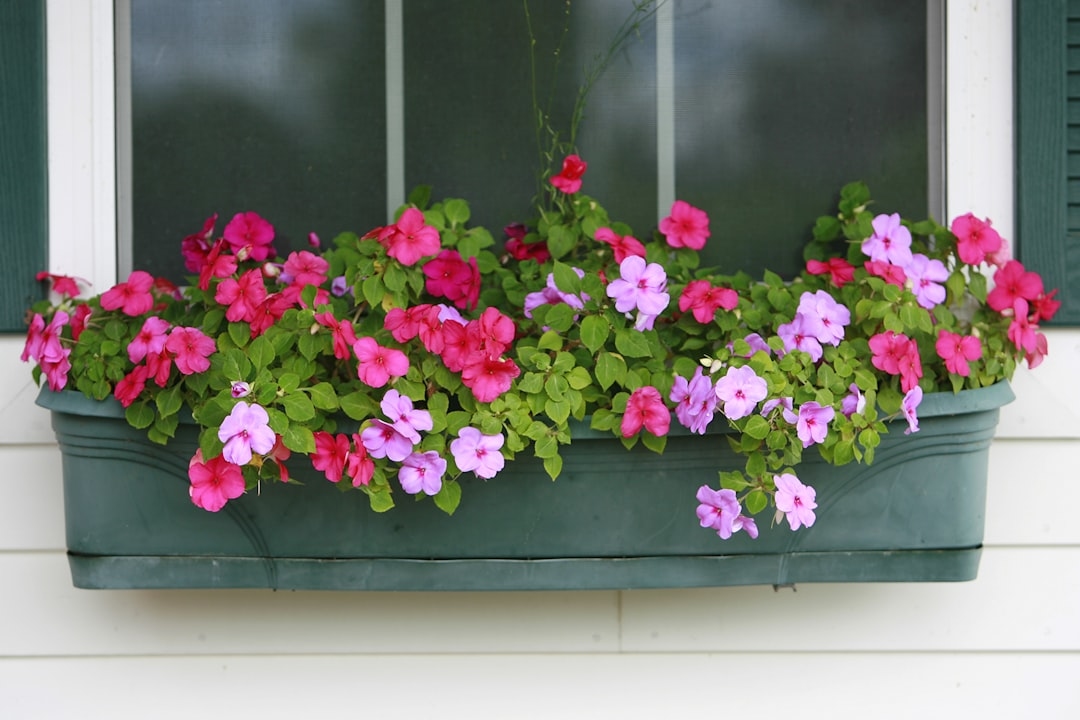
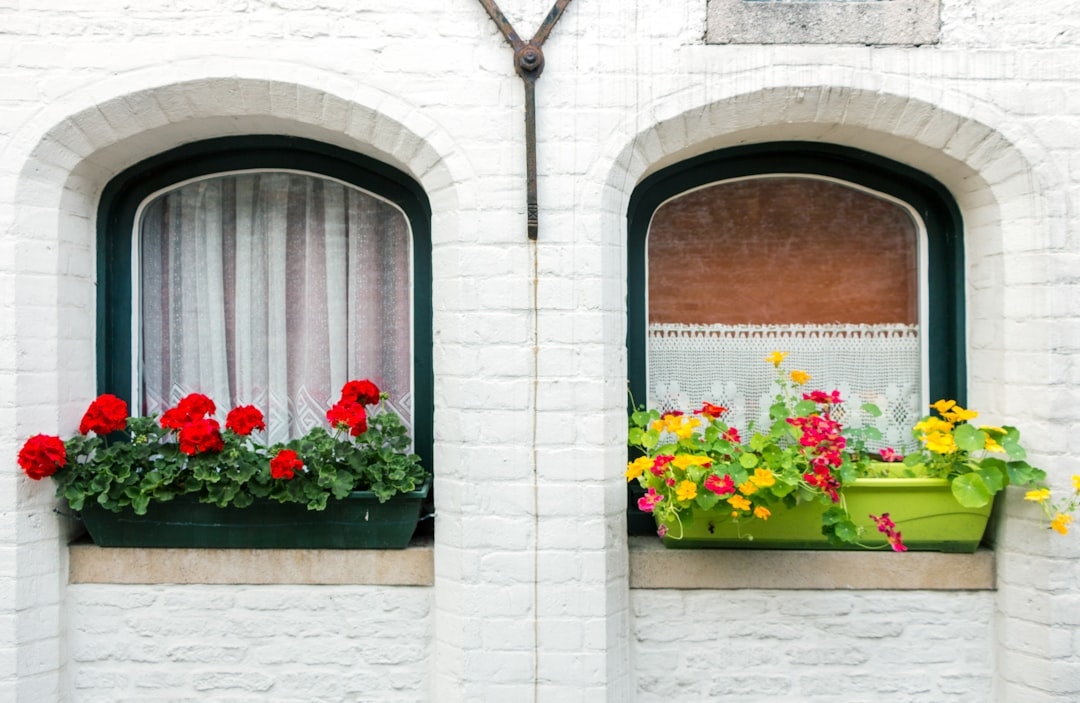
Window boxes are uniquely forgiving for small-space growers. A standard 24-inch box holds roughly 12 to 15 liters of soil — enough root volume to support 4 to 6 flowering plants simultaneously. You control the soil quality, drainage, and nutrition entirely, which means you’re not fighting clay subsoil or tree roots the way ground gardeners do.
The challenge is choosing plants suited to container life: shallow roots, tolerance for drying out between waterings, and enough visual punch to justify the real estate. Not every beautiful flower belongs in a box.
Best Window Box Flowers by Sun Exposure
Full Sun (6+ Hours Daily)
These are workhorses. Plant them if your window faces south or west and gets unobstructed afternoon light.
- Petunias — The undisputed champion of window box flowers. Wave petunias trail up to 3 feet and bloom continuously from May through first frost. Deadheading isn’t required with newer varieties. A 4-inch starter plant costs $2–$4 at most garden centers.
- Calibrachoa (Million Bells) — Looks like a miniature petunia but is more drought-tolerant and self-cleaning. Grows 6–9 inches and cascades beautifully over the edge. Expect to pay $4–$6 per plant.
- Geraniums (Pelargonium) — Classic for good reason. Upright varieties reach 12–18 inches and hold color in heat that would cook lesser plants. Zones 3–10. Around $3–$5 per cell pack.
- Lantana — Blooms in multicolored clusters, attracts butterflies, and shrugs off drought. Toxic to pets, so note that if you have animals near open windows.
Part Shade (3–5 Hours Daily)
North- or east-facing windows aren’t a death sentence. These plants prefer filtered light.
- Impatiens — Still the shade flower standard. Plant 6 inches apart, keep consistently moist, and they’ll bloom wall-to-wall. Watch for downy mildew; choose the SunPatiens hybrid for better disease resistance.
- Fuchsia — Dangling, jewel-toned blooms that look almost tropical. They prefer cool nights (below 75°F), making them ideal for Northeast and Pacific Northwest apartments.
- Begonias (Wax or Tuberous) — Tuberous begonias produce dinner-plate-sized blooms in shade that rivals any sun plant. A single tuber costs $2–$4 and fills a 6-inch space generously.
- Lobelia — Low-growing, intensely blue, and perfect as an edging plant alongside taller companions. Trails softly and fills gaps better than almost anything.
Designing Your Window Box: The Thriller-Filler-Spiller Method
Professional container designers use a three-part formula that works just as well on a fifth-floor apartment ledge as it does in a garden center display. Every window box should have:
- A Thriller — The upright focal point. Try a tall geranium, an ornamental grass like Pennisetum, or a spike plant (Dracaena). Aim for 12–18 inches height.
- A Filler — Medium-height, bushy plants that create density. Impatiens, wax begonias, and calibrachoa all work here.
- A Spiller — Trailing varieties that cascade over the edge. Sweet potato vine, bacopa, and wave petunias are classics.
One thriller, two fillers, two spillers — that’s the formula for a 24-inch box that looks professionally designed.
Regional Flower Picks: What Works Where
Geography matters more than most beginner gardeners expect. In the Northeast (Zones 5–6), summers are short and humid. Prioritize fast-establishing annuals like petunias and impatiens that hit their stride by July. Fuchsias thrive here thanks to cooler nights.
In the South (Zones 7–10), summer heat is relentless. Swap out cool-season favorites by June and replace with heat warriors: lantana, vinca (periwinkle), and portulaca. Portulaca, also called moss rose, survives in near-drought conditions and costs under $2 per plant — an essential for humid Southern summers where overwatering is a constant temptation.
On the West Coast, particularly in coastal California, the mild year-round climate opens up options most US gardeners never get. Lobelia and diascia bloom almost year-round in San Francisco microclimates. Osteospermum (African daisy) makes an excellent winter window box flower in Zone 9b and 10.
Budget Breakdown: How Much Does a Window Box Garden Cost?
Starting from scratch is more affordable than most people assume. Here’s a realistic cost estimate for one 24-inch window box:
- Window box (plastic or wood): $15–$35
- Potting mix (1 cubic foot bag): $8–$12
- Slow-release fertilizer (Osmocote or similar): $6–$10 for the season
- Plants (5–6 starter plants at $2–$5 each): $10–$30
- Total first-season cost: $39–$87
Subsequent seasons cost significantly less — you’ll already own the box, fertilizer goes further than you’d think, and you can take cuttings from some plants like geraniums and overwinter them indoors for free starts next spring.
Expert Tip: Feed More Than You Think You Need To
“Most window box failures aren’t about plant choice — they’re about fertility,” says Dana Kowalski, certified horticulturist and owner of Ledge & Bloom Garden Studio in Chicago. “Container soil depletes fast. I tell clients to use a balanced liquid fertilizer like 20-20-20 every 10 to 14 days once plants are established. Cut that schedule and your blooms will too.”
Kowalski also recommends lining the bottom inch of any window box with coarse perlite before adding potting mix — this prevents the waterlogged roots that kill more window box plants than heat or cold ever will.
Practical Tips for Keeping Your Window Box Thriving
- Water deeply, not frequently. Stick your finger 2 inches into the soil. Water only when it’s dry at that depth. Shallow daily watering creates weak, surface-hungry roots.
- Deadhead weekly. Removing spent blooms redirects energy from seed production back into flowering. Five minutes per week doubles your bloom time on most annuals.
- Watch your box weight. A 24-inch box fully planted and watered can weigh 40–60 lbs. Check that your brackets or railing hardware are rated for the load.
- Rotate boxes seasonally. Spring pansies and snapdragons give way to summer petunias, which hand off to fall ornamental kale. One box, three seasons, zero wasted weeks.
FAQ: Window Box Flowers
What are the easiest window box flowers for beginners?
Petunias, geraniums, and impatiens are the most forgiving window box flowers for beginners. They tolerate irregular watering, grow quickly from starter plants, and bloom prolifically with minimal intervention. Geraniums are especially resilient — they recover from both drought and accidental overwatering better than most annuals.
How many plants should go in a 24-inch window box?
Plant 4 to 6 plants in a standard 24-inch window box, depending on mature plant size. Space plants 4–6 inches apart for small varieties (lobelia, calibrachoa) and 6–8 inches apart for larger plants (geraniums, petunias). Overcrowding increases humidity around stems and invites fungal disease.
Can window box flowers survive full summer heat?
Yes, with the right varieties. Lantana, portulaca, vinca, and calibrachoa all thrive in temperatures above 90°F. Avoid fuchsia, pansies, and snapdragons in peak summer — they’ll stop blooming and decline rapidly once heat exceeds 80°F consistently.
Do window boxes need special potting soil?
Use a high-quality potting mix, not garden soil. Garden soil compacts in containers, blocks drainage, and can introduce pests. Look for mixes that include perlite or vermiculite for aeration. Avoid “moisture control” formulas if you tend to overwater — they retain too much moisture for many container annuals.
How do I keep window box flowers blooming all summer?
Consistent fertilizing and regular deadheading are the two most effective strategies. Feed with a balanced liquid fertilizer every 10–14 days. Remove faded blooms before they set seed. Trim back leggy stems by one-third in midsummer to encourage a fresh flush of growth and flowers through fall.
Your window ledge is already there — it’s just waiting for something living. Start with one box, one season, and one simple thriller-filler-spiller combo. By August, you’ll be planning next year’s colors before the first frost even arrives.