Contents:
- Why Native Flowers Outperform Exotic Ornamentals
- Best Native US Garden Flowers by Region
- Northeast & Mid-Atlantic (Zones 4–7)
- Southeast & Gulf Coast (Zones 7–10)
- Midwest & Great Plains (Zones 4–6)
- West Coast & Pacific Northwest (Zones 7–10)
- The Sustainability Payoff
- Budget Breakdown: What to Expect
- Practical Tips for Getting Started
- Frequently Asked Questions
- What are the easiest native US garden flowers for beginners?
- Do native flowers come back every year?
- How long does it take for native plants to establish?
- Are native flowers good for pollinators?
- Where can I buy native plants for my region?
- Ready to Transform Your Garden?
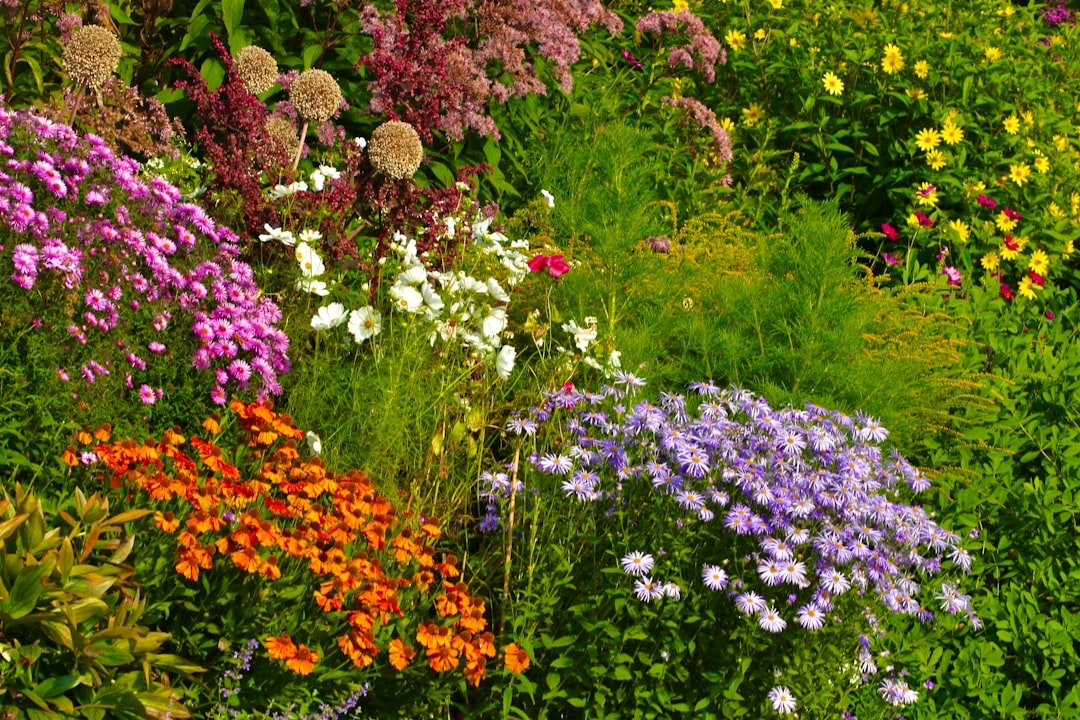
Here’s something most gardeners don’t realize: native plants support up to 35 times more wildlife than non-native ornamentals. Choosing the right native US garden flowers isn’t just a feel-good decision — it’s one of the smartest, most low-maintenance moves you can make as a DIY gardener. Native plants evolved alongside your local soil, rainfall patterns, and pollinators. Once established, many need little to no supplemental watering, minimal fertilizing, and almost no pesticides.
That means less work for you and a healthier backyard ecosystem. Win-win.
Why Native Flowers Outperform Exotic Ornamentals
Conventional garden centers are packed with showy imports — lavender from the Mediterranean, Black-eyed Susans bred for maximum bloom, hybrid roses that demand constant care. Native wildflowers, by contrast, have spent thousands of years adapting to your exact conditions. A Purple Coneflower grown in Kansas doesn’t need coddling. A Wild Columbine tucked into a Connecticut shade garden practically tends itself.
Beyond ease, the ecological case is compelling. Native flowering plants are the primary food source for over 4,000 species of native bees in the United States. Monarch butterflies depend almost entirely on milkweed — a native plant that most gardeners used to yank as a weed. Planting natives reconnects your yard to a larger living system.
Best Native US Garden Flowers by Region
Regional climate, soil type, and rainfall shape which natives will thrive. Here’s a breakdown by major US growing zones.
Northeast & Mid-Atlantic (Zones 4–7)
The Northeast rewards gardeners who lean into its wet springs and cold winters. Top performers here include:
- Wild Blue Indigo (Baptisia australis) — Deep blue spikes in May, drought-tolerant by summer. Grows 3–4 feet tall with zero fuss after year two.
- Eastern Red Columbine (Aquilegia canadensis) — Hummingbird magnet. Self-seeds freely in partial shade. Perfect under deciduous trees.
- New England Aster (Symphyotrichum novae-angliae) — One of the last fall bloomers, feeding migrating butterflies through October.
Southeast & Gulf Coast (Zones 7–10)
Heat, humidity, and sandy or clay-heavy soils define Southern growing conditions. The right natives handle all of it.
- Swamp Milkweed (Asclepias incarnata) — Thrives in moist spots and rain gardens. Deep pink blooms from June through August. Essential for Monarchs.
- Purple Coneflower (Echinacea purpurea) — Tough as nails in full sun. Blooms June–September and reseeds reliably. Birds eat the seedheads in winter.
- Blanket Flower (Gaillardia pulchella) — Fiery red-and-yellow blooms in heat and drought. One of the best performers on sandy coastal soils.
Midwest & Great Plains (Zones 4–6)
Prairie heritage means the Midwest has some of the richest native flower traditions in the country. Tap into it.
- Prairie Blazing Star (Liatris pycnostachya) — Tall purple spikes loved by monarchs and bumblebees. Extremely drought-tolerant once established.
- Wild Bergamot (Monarda fistulosa) — Lavender-pink blooms with a spicy fragrance. Spreads to fill a border in 2–3 seasons.
- Black-eyed Susan (Rudbeckia hirta) — The quintessential prairie flower. Blooms reliably from June to frost and seeds itself into drifts.
West Coast & Pacific Northwest (Zones 7–10)
California and the Pacific Northwest share mild, wet winters and dry summers — a combo that trips up many gardeners who try to grow thirsty Eastern natives out here.
- California Poppy (Eschscholzia californica) — The state flower blooms orange from March through May with zero irrigation. Direct-sow in fall for spring color.
- Douglas Iris (Iris douglasiana) — Stunning purple-and-white blooms in spring. Evergreen foliage all year. Handles both wet winters and dry summers.
- Red Buckwheat (Eriogonum grande rubescens) — Long-blooming, drought-adapted, and covered in tiny rosy-red flowers that hummingbirds love.
The Sustainability Payoff
Swapping even 10% of your lawn or garden space to native flowering plants measurably reduces water use, chemical runoff, and carbon footprint. Native roots run deep — some prairie plants send roots 10–15 feet into the ground — which improves soil structure, reduces erosion, and sequesters carbon more effectively than turf grass.
For DIYers looking to go further, consider sheet mulching (no-dig method) to convert a lawn patch to a native bed. Lay cardboard over grass, add 4–6 inches of compost on top, and plant directly into it. No tilling, no herbicide. The grass smothers in 2–3 months and your new plants establish into loose, improved soil.
Budget Breakdown: What to Expect
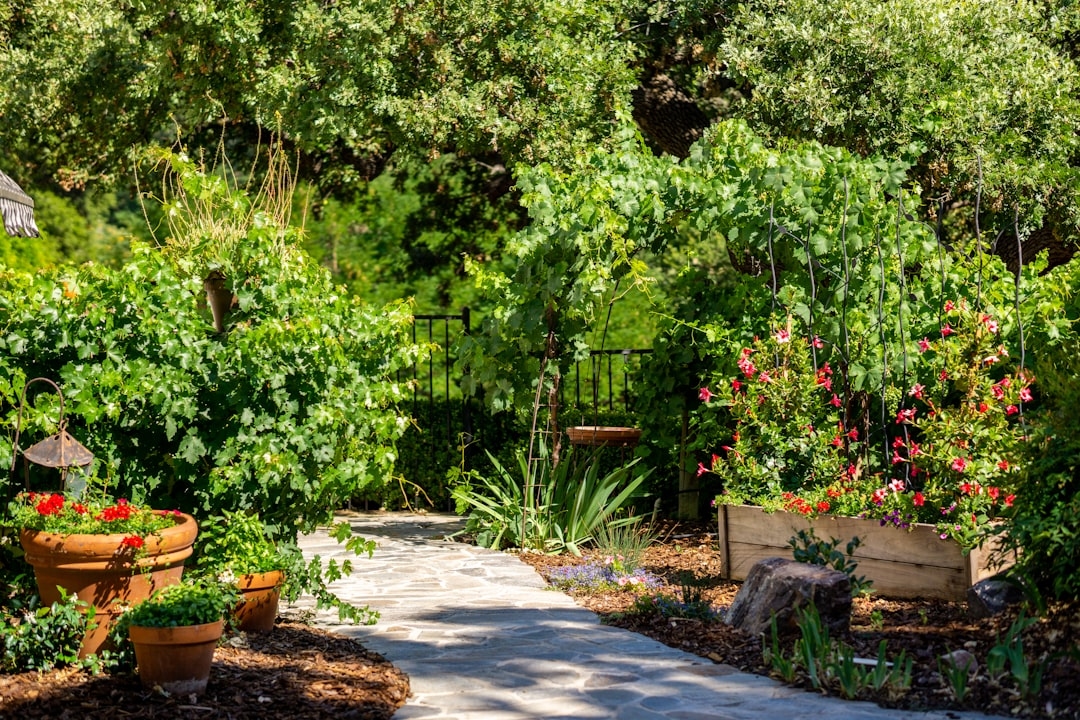
Native plants vary widely in price depending on source. Here’s a realistic cost guide for a DIY gardener:
- Seed packets — $3–$8 each. Best for large-scale coverage (meadow mixes, Black-eyed Susans, California poppies).
- Plug trays (32–50 plugs) — $25–$60 per tray from native plant nurseries. Cost-effective for establishing groundcovers.
- Gallon containers — $8–$18 per plant at local native nurseries. Best for accent plants like coneflowers, asters, and indigo.
- Quart containers — $5–$10 each. A solid middle ground for filling a new bed.
A 100-square-foot starter native garden using a mix of seeds and quart-sized plants typically runs $80–$150 total — far less than an equivalent traditional perennial bed, and with dramatically lower year-two costs since you won’t be replacing finicky annuals.
Pro tip: Check your local native plant society. Many hold spring sales where divisions and locally-sourced plants sell for $2–$5 each.
Practical Tips for Getting Started
- Start with 3–5 species, not 20. A tight, well-chosen palette looks intentional and establishes faster than a scattered mix.
- Match plant to site first. Sun, soil moisture, and drainage matter more than hardiness zone. A rain garden species in a dry slope will fail regardless of zone compatibility.
- Plant in odd-numbered groupings. Three or five of the same species reads as a natural drift. One of everything reads as a collection.
- Leave the seedheads. Don’t cut back spent flowers in fall. Goldfinches, chickadees, and native sparrows feed on coneflower, aster, and rudbeckia seeds through winter.
- Buy local genotypes when possible. A Purple Coneflower grown from Illinois seed will outperform one from a Tennessee seed source if you garden in the upper Midwest. Regional provenance matters.
Frequently Asked Questions
What are the easiest native US garden flowers for beginners?
Black-eyed Susan (Rudbeckia hirta), Purple Coneflower (Echinacea purpurea), and Wild Bergamot (Monarda fistulosa) are consistently easy across most US regions. All three tolerate poor soil, establish quickly from seed or transplant, and bloom reliably without extra care.
Do native flowers come back every year?
Most native US wildflowers are perennials and return each year once established. Some, like California Poppy and Blanket Flower, are annuals or short-lived perennials that self-seed freely — meaning they effectively return without replanting.
How long does it take for native plants to establish?
The standard rule is “sleep, creep, leap.” Year one: the plant sleeps (roots are developing underground with little visible growth). Year two: it creeps (modest above-ground growth). Year three: it leaps (full blooming, spreading, and self-seeding). Plan accordingly and don’t give up after a quiet first season.
Are native flowers good for pollinators?
Exceptionally so. Native flowers co-evolved with local bees, butterflies, and hummingbirds over millennia, making them far more valuable than exotic ornamentals. A single native oak tree supports over 500 species of caterpillars; similarly, native flowering plants host specialist pollinators that simply cannot use non-native plants as a substitute.
Where can I buy native plants for my region?
The best sources are local native plant nurseries, native plant society sales, and your state’s cooperative extension program. Online, reputable sources include Prairie Moon Nursery (Midwest/East), Las Pilitas Nursery (California), and Ernst Conservation Seeds (Northeast). Avoid big-box stores, which often sell cultivated varieties (“nativars”) that may offer reduced ecological value.
Ready to Transform Your Garden?
Pick one bed — just one — and commit to replanting it with three to five native species suited to your region and site conditions. Order seeds or plugs this month, prep your soil using the sheet mulch method if needed, and plant in early fall or early spring depending on your zone. You’ll spend less on water and maintenance than you did with conventional plantings, and by year three you’ll have a self-sustaining, wildlife-rich garden that genuinely earns its keep. Your local bees will notice before you do.