
Contents:
- Why Drought Tolerant Flowers Outperform in Modern Landscapes
- Top Drought Tolerant Landscaping Flowers by Region and Use
- Lavender (Lavandula angustifolia)
- Black-Eyed Susan (Rudbeckia hirta)
- Salvia (Salvia nemorosa)
- Coneflower (Echinacea purpurea)
- Lantana (Lantana camara)
- Yarrow (Achillea millefolium)
- Designing with Drought Tolerant Flowers: Practical Layout Tips
- Common Mistakes to Avoid
- The Eco-Friendly Case for Water-Wise Landscaping
- FAQ: Drought Tolerant Landscaping Flowers
- What are the easiest drought tolerant flowers for beginners?
- How long does it take drought tolerant flowers to establish?
- Can drought tolerant flowers survive winter in cold climates?
- Do drought tolerant flowers need fertilizer?
- Are drought tolerant flowers safe for dogs and cats?
- Build Your Water-Wise Garden This Season
Long before modern irrigation systems, the ancient Romans cultivated lavender across the sun-scorched hillsides of the Mediterranean. They didn’t water it obsessively. They didn’t coddle it. They planted it in poor, rocky soil and let the climate do the rest. Centuries later, that same plant thrives in front yards across Phoenix, Denver, and Austin — a living testament to nature’s own engineering. The best drought tolerant landscaping flowers aren’t a compromise. They’re a smarter choice.
With water costs rising sharply — the average American household now spends over $1,000 annually on water bills — and drought conditions expanding across USDA Hardiness Zones 4 through 10, low-water landscaping has moved from niche trend to practical necessity. The good news? The flowers that survive on little water often produce the most dramatic, long-lasting color.
Why Drought Tolerant Flowers Outperform in Modern Landscapes
Drought tolerant doesn’t mean dull. It means deep-rooted. These plants have evolved to store moisture, reflect intense sunlight, and bloom on their own schedule — not yours. Many produce oils and resins that actually intensify their fragrance during dry spells. Once established (typically after one full growing season), most require zero supplemental watering in areas that receive at least 10–12 inches of annual rainfall.
From an ecological standpoint, replacing thirsty annuals with water-wise perennials can reduce landscape water use by 50 to 75 percent, according to the EPA’s WaterSense program. That’s not just good for your bill — it’s genuinely good for local watersheds and pollinators that depend on native plant systems.
Top Drought Tolerant Landscaping Flowers by Region and Use
Lavender (Lavandula angustifolia)
Hardy in Zones 5–9, lavender is the gold standard of low-water flowering plants. It needs full sun, sharp drainage, and almost nothing else. Plant it in groups of three or five for maximum visual impact. ‘Hidcote’ and ‘Munstead’ are the most reliable cultivars for American gardens, topping out at 18–24 inches and blooming from late spring through midsummer.
Black-Eyed Susan (Rudbeckia hirta)
A North American native that thrives in Zones 3–9, black-eyed Susans produce bold yellow blooms from July through September. They self-seed freely, meaning your planting investment multiplies year after year at no cost. Space them 18 inches apart and expect a mature clump to span 2 feet wide within two seasons.
Salvia (Salvia nemorosa)
Few plants punch above their weight like garden salvia. Hardy in Zones 4–9, ‘Caradonna’ salvia produces deep violet spikes on near-black stems — one of the most striking combinations in the dry garden. It blooms twice if deadheaded after the first flush, and pollinators, particularly native bees, treat it like a destination.
Coneflower (Echinacea purpurea)
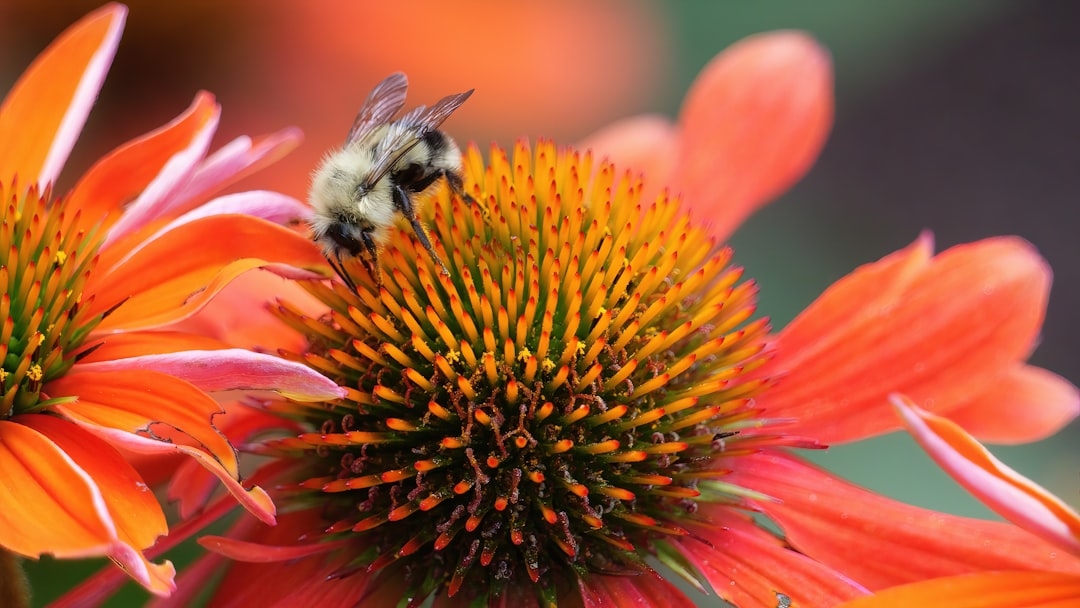
Coneflowers are workhorses. Native to the American prairie, they handle drought, clay soil, and neglect with equal grace. Zones 3–9. The seed heads feed goldfinches through winter, so resist the urge to cut them back in fall. A single plant can spread to 24 inches across and live for a decade or more with zero fuss.
Lantana (Lantana camara)
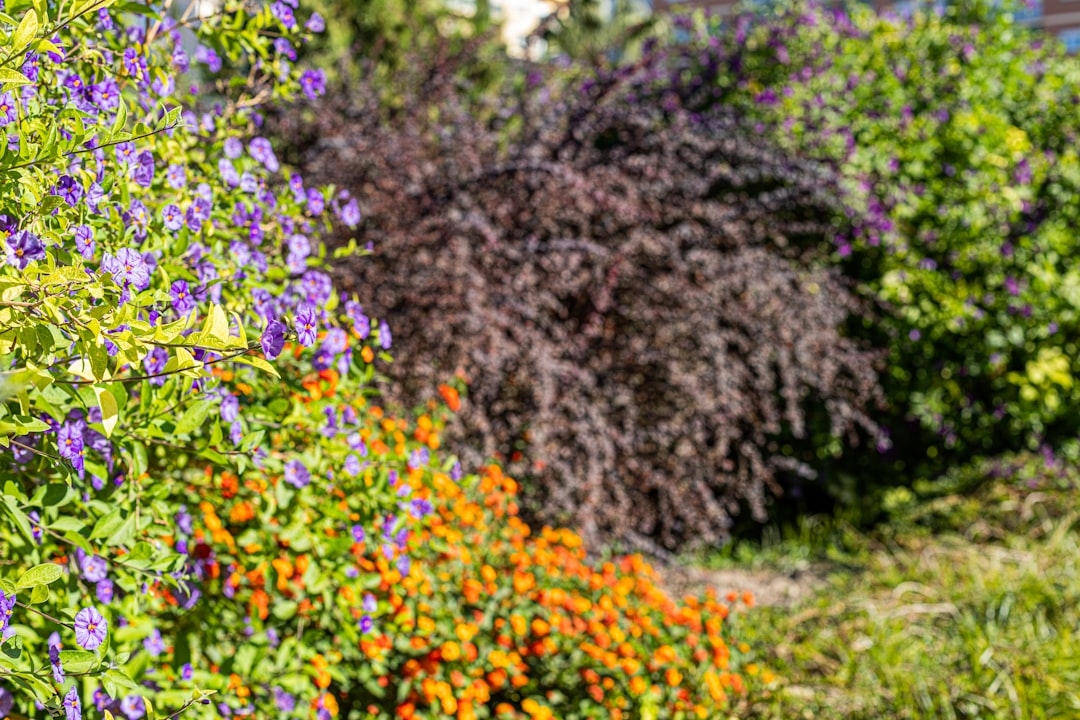
In Zones 8–11, lantana is arguably the most heat- and drought-tolerant flowering plant available to home gardeners. It blooms continuously from spring through frost in multicolored clusters of orange, yellow, pink, and red. In northern zones, it performs beautifully as an annual — and a 4-inch starter pot costs around $4–$6 at most garden centers.
Yarrow (Achillea millefolium)
Yarrow is the quiet overachiever of the xeriscape world. Zones 3–9. It spreads via rhizomes to form dense, weed-suppressing mats and produces flat-topped flower clusters in shades from white to deep red. It’s also a powerful attractor of beneficial insects, including predatory wasps that control garden pests naturally.
Designing with Drought Tolerant Flowers: Practical Layout Tips
Group plants by water needs — a principle called hydrozoning. Place your most drought-resistant plants (lavender, yarrow, salvia) in the hottest, most exposed areas of your yard. Reserve slightly moister microclimates, like spots near downspouts or on north-facing slopes, for plants like coneflower that appreciate occasional moisture.
Mulching matters enormously. A 3-inch layer of shredded bark or gravel mulch around your drought tolerant flowers reduces soil moisture evaporation by up to 70 percent and suppresses competing weeds. Apply it in spring after the soil has warmed, keeping mulch 2 inches away from plant stems to prevent rot.
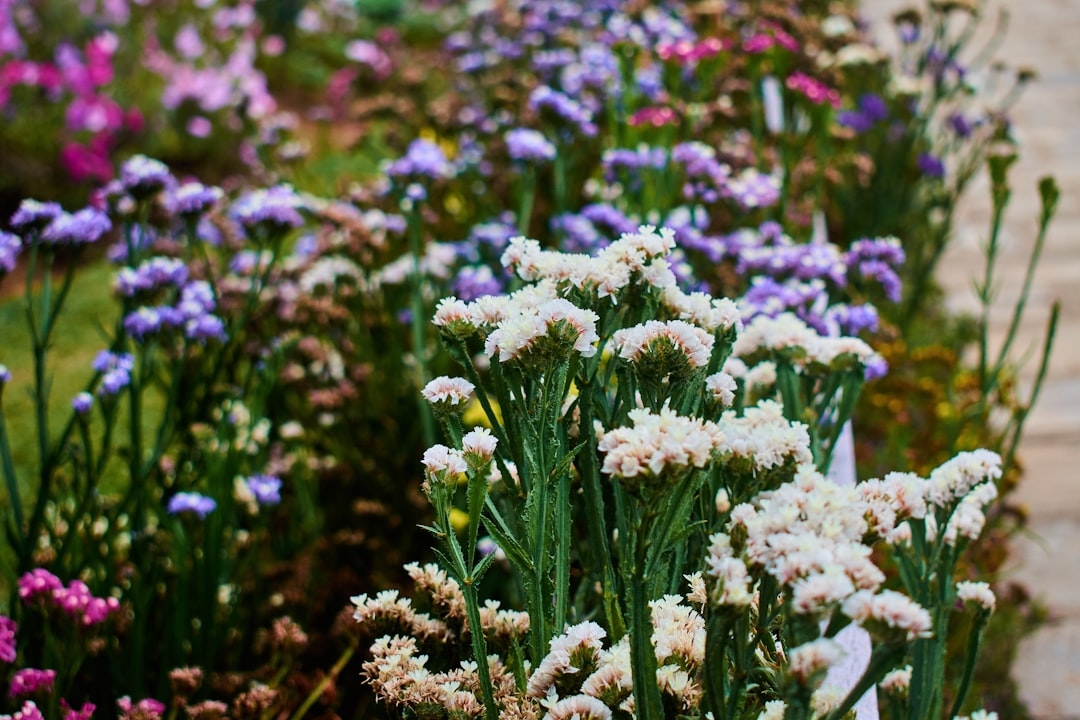
Professional xeriscape designers almost always amend their soil with coarse horticultural grit or pea gravel before planting drought tolerant flowers — especially in clay-heavy regions. The goal is drainage, not fertility. Most drought tolerant species evolved in lean, fast-draining soils and will actually rot in rich, moisture-retentive mixes. A 50/50 blend of native soil and coarse grit is the go-to prescription for lavender, salvia, and yarrow beds.
Common Mistakes to Avoid
- Overwatering during establishment. Even drought tolerant plants need consistent moisture for their first 4–6 weeks. After that, pull back sharply. Keeping soil perpetually moist past establishment encourages shallow roots — the opposite of what you want.
- Planting in heavy clay without amendment. Standing water kills more drought tolerant plants than actual drought does. Always check drainage before you plant.
- Choosing the wrong zone. Lantana won’t overwinter in Chicago. Always cross-reference USDA Hardiness Zone maps before purchasing.
- Skipping the mulch layer. Even the toughest plants establish faster and stay healthier with 3 inches of mulch suppressing soil temperature swings.
- Planting too close together. Good air circulation reduces fungal issues. Most drought tolerant perennials need 18–24 inches of spacing at minimum.
The Eco-Friendly Case for Water-Wise Landscaping
Choosing drought tolerant landscaping flowers is one of the most tangible environmental decisions a homeowner can make. Turfgrass alone accounts for nearly one-third of all residential water use in the United States, according to the EPA. Replacing even a 10-by-10-foot section of lawn with a pollinator-friendly drought garden saves roughly 8,000 gallons of water per year in arid regions.
Many drought tolerant natives — coneflower, black-eyed Susan, yarrow — also provide essential habitat for declining bee and butterfly populations. The Xerces Society estimates that native plant gardens support 4 times more native bee species than conventional ornamental plantings. That’s a measurable ecological return on a simple landscaping choice.
FAQ: Drought Tolerant Landscaping Flowers
What are the easiest drought tolerant flowers for beginners?
Black-eyed Susans, lavender, and coneflowers are the most beginner-friendly options. All three are widely available, hardy across most of the US, and require minimal intervention once established. They’re also forgiving of occasional overwatering mistakes during the learning curve.
How long does it take drought tolerant flowers to establish?
Most drought tolerant perennials take one full growing season — roughly 12 to 16 weeks of active root growth — to establish deeply enough to survive without supplemental watering. Water consistently during this period, then taper off completely.
Can drought tolerant flowers survive winter in cold climates?
Many can. Lavender, salvia, coneflower, yarrow, and black-eyed Susan are all hardy to at least Zone 5 (minimum winter temperatures of -10°F to -20°F). Check individual cultivar ratings, as hardiness can vary significantly within a species.
Do drought tolerant flowers need fertilizer?
Generally, no. Most drought tolerant species evolved in nutrient-poor soils and perform better without heavy feeding. A light application of slow-release granular fertilizer in early spring is sufficient — excessive nitrogen encourages leafy growth at the expense of blooms.
Are drought tolerant flowers safe for dogs and cats?
It varies by species. Lavender is mildly toxic to dogs and cats if ingested in large quantities. Coneflower (echinacea) is generally considered safe. Yarrow is toxic to both dogs and cats. Always verify individual plant toxicity with the ASPCA’s Animal Poison Control database before planting in pet-accessible areas.
Build Your Water-Wise Garden This Season
The best time to plant drought tolerant landscaping flowers is spring or early fall, when moderate temperatures help roots establish before summer heat or winter cold arrives. Start with three or four species from this list, observe how they perform in your specific microclimate, and expand from there.
A well-designed drought garden doesn’t look sparse or utilitarian — it looks intentional. Layered heights, contrasting textures, and successive bloom times create a landscape that changes with the seasons and practically takes care of itself. Pick up a few starter plants this weekend and give your yard — and your water bill — a genuine upgrade.