

Contents:
- Understanding the Environment Beneath Pine Trees
- Best Flowers Under Pine Trees: Top Picks by Category
- Native Woodland Wildflowers
- Perennials That Love Acidic, Dry Shade
- Bulbs That Perform Well Under Conifers
- A Seasonal Bloom Calendar for Pine Understory Gardens
- Expert Perspective: Matching Plants to Conditions
- Planting Tips for Success Under Pine Trees
- The Ecological and Sustainability Angle
- Frequently Asked Questions
- What flowers grow best directly under pine trees?
- Do pine needles really kill other plants?
- Can I grow hostas under pine trees?
- What ground cover flowers spread under pine trees?
- How do I prepare soil under a pine tree for planting?
- Start Small, Then Expand
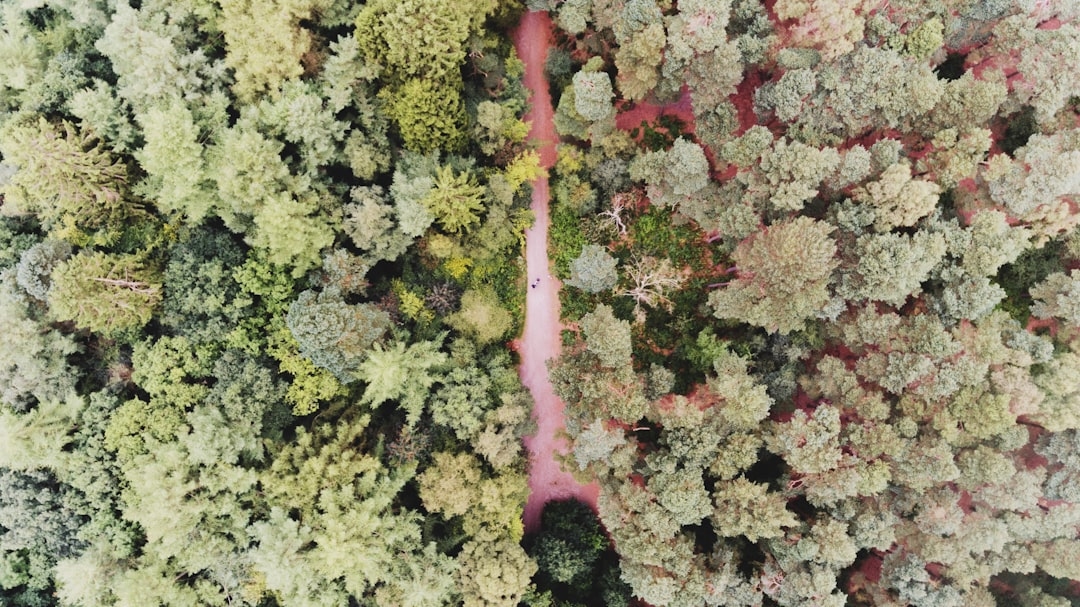
Most gardeners assume nothing can grow under a pine tree. The needle-covered ground, the dense shade, the reputation for “toxic” soil — it all adds up to a mental block. That reputation is mostly myth. Yes, the conditions are challenging. But dozens of flowering plants not only survive under pines, they genuinely prefer those conditions. The secret is understanding what’s actually happening in that soil — and choosing flowers under pine trees that evolved alongside conifers in the first place.
Understanding the Environment Beneath Pine Trees
Before selecting plants, you need an accurate picture of what you’re working with. Pine needles do lower soil pH slightly — typically to a range of 4.5 to 5.5 — but they don’t sterilize the ground or make it permanently hostile. Many gardeners actually find this slightly acidic range ideal for acid-loving flowering plants that struggle in neutral garden beds.
The bigger challenges are moisture and light. Pine canopies intercept rainfall efficiently, creating a dry zone near the trunk. Root competition is fierce — mature pine roots spread far beyond the drip line, pulling water and nutrients. And depending on tree density, you may be dealing with deep shade, dappled light, or bright filtered sun.
Soil structure matters too. Decades of needle accumulation create a loose, well-draining organic layer with low fertility. Think of it as a lean, slightly acidic, free-draining medium. That description fits the native habitat of many woodland wildflowers perfectly.
One practical tip: before planting, test your soil pH with an inexpensive home kit (around $10–$15 at most garden centers). If you’re below 4.5, a light application of agricultural lime can bring conditions into a more workable range without eliminating the acidity that acid-lovers need.
Best Flowers Under Pine Trees: Top Picks by Category
Native Woodland Wildflowers
Native plants are the most reliable choice because they adapted to exactly these conditions over thousands of years. Trillium (Trillium grandiflorum) is a standout — it blooms white in April and May in Zones 4–9, tolerates dry shade, and requires virtually zero maintenance once established. Wild columbine (Aquilegia canadensis) brings red-and-yellow blooms in May and June, thrives in Zones 3–8, and self-seeds freely in needle duff.
Wild ginger (Asarum canadense) produces small maroon flowers in spring, but its real value is the dense, weed-suppressing ground cover it forms by midsummer. It handles dry shade better than almost any other flowering plant and spreads slowly but steadily without becoming invasive.
Perennials That Love Acidic, Dry Shade
Bleeding heart (Lamprocapnos spectabilis, formerly Dicentra) is one of the most reliable perennials for pine understories. It blooms in April and May in Zones 3–9 with arching stems of pink or white heart-shaped flowers, then goes dormant by midsummer — which neatly coincides with the driest period under the canopy. Plant it 18 inches from the trunk minimum to reduce root competition.
Astilbe (Astilbe spp.) performs well in Zones 4–9 and tolerates the dry-ish shade under pines if given extra water during establishment. Feathery plumes in pink, red, or white bloom from June through August depending on the variety. ‘Fanal’ is a particularly reliable dark red cultivar for these conditions.
Foxglove (Digitalis purpurea) is a biennial that naturalizes easily under high-canopied pines where dappled light reaches the ground. Tall spikes in purple, pink, and white reach 3–5 feet in June and July, then drop seed for the following year’s display. Zones 4–10.
Bulbs That Perform Well Under Conifers
Spring-blooming bulbs are an underused strategy for pine understories. Siberian squill (Scilla siberica) produces intense blue flowers in March and April in Zones 2–8, often carpeting the ground before the surrounding landscape has woken up. It naturalizes aggressively — a genuine advantage here where other plants struggle to fill in.
Snowdrops (Galanthus nivalis) emerge even earlier, often in February in milder zones, and tolerate both the dry conditions and the competitive roots with remarkable resilience. Plant them in groups of 25 or more for visible impact; individual bulbs barely register visually.
A Seasonal Bloom Calendar for Pine Understory Gardens
Planning for continuous color through the season is entirely achievable with the right plant combinations:
- February–March: Snowdrops, winter aconite (Eranthis hyemalis)
- March–April: Siberian squill, species crocus
- April–May: Trillium, bleeding heart, wild columbine, Virginia bluebells
- May–June: Wild ginger (foliage peak), foxglove begins, astilbe early varieties
- June–August: Astilbe midseason varieties, foxglove, cardinal flower (Lobelia cardinalis) in moister spots
- September–October: Toad lily (Tricyrtis spp.), which actually prefers the dry shade of late summer beneath conifers
The goal is layering early bulbs with spring perennials, then relying on later-blooming shade tolerants to carry color through summer and into fall.
Expert Perspective: Matching Plants to Conditions
“The mistake most people make is trying to fight the pine’s environment rather than work with it,” says Dr. Margaret Hollis, a certified professional horticulturist and extension educator based in western North Carolina. “Once you accept that you’re essentially gardening in a dry, acidic woodland, your plant palette actually opens up considerably. The plants that thrive there are often more interesting than what you’d grow in a standard border anyway.”
Dr. Hollis recommends starting with three native species for any new pine understory planting: wild ginger for ground cover, bleeding heart for spring color, and toad lily for fall interest. “Those three alone will give you something happening from April through October with almost no inputs after the first season,” she notes.
Planting Tips for Success Under Pine Trees
Timing and technique matter more under pines than in typical garden beds. Here are the key adjustments:
- Plant in fall where possible. Fall planting allows root establishment during cooler, moister months before summer dry spells arrive. Spring planting works but requires more consistent supplemental watering through the first summer.
- Keep a 12–18 inch clearance from the trunk. The zone immediately around the base is the most competitive and most allelopathic. Planting 18 inches out significantly improves survival rates.
- Amend conservatively. Adding 2–3 inches of compost to the planting area helps with water retention without neutralizing the acidity that your chosen plants prefer.
- Water deeply but infrequently during establishment. Once or twice per week for the first season — long soakings rather than short sprinkles — encourages deep rooting that helps plants compete with pine roots.
- Leave the needle mulch. Pine needles are a natural mulch that moderates soil temperature, retains some moisture, and slowly contributes organic matter. Raking them away is counterproductive.
The Ecological and Sustainability Angle
Choosing native wildflowers and shade-adapted perennials for pine understory planting isn’t just practical — it’s ecologically meaningful. These plantings create layered habitat that supports ground-nesting birds, native bees that nest in leaf litter, and overwintering insects that depend on structural diversity at ground level. A bare needle-covered floor under a pine provides almost no wildlife value; a planted understory with trillium, wild ginger, and bleeding heart is genuinely functional habitat.
From a resource standpoint, once established, these plants require no fertilizer, minimal supplemental water, and no pesticide inputs. That’s a meaningful reduction in garden maintenance costs — typically $0 in annual inputs after year two, compared to the ongoing costs of maintaining annuals or lawn in challenging spots.
Frequently Asked Questions
What flowers grow best directly under pine trees?
The most reliable flowers under pine trees include bleeding heart, wild columbine, astilbe, Siberian squill, trillium, toad lily, and snowdrops. Native woodland wildflowers adapted to acidic, dry shade consistently outperform exotic species in this environment.
Do pine needles really kill other plants?
Pine needles lower soil pH modestly but don’t prevent plant growth on their own. Many flowering plants actually prefer the slightly acidic soil (pH 4.5–5.5) that forms beneath conifers. The bigger challenges are dry conditions and root competition, not the needles themselves.
Can I grow hostas under pine trees?
Yes, hostas tolerate the shade and slightly acidic soil under pines reasonably well. Their main vulnerability is drought — they need more consistent moisture than truly dry-shade plants like bleeding heart or wild ginger. Amending with compost and watering during dry spells in the first two seasons improves success significantly.
What ground cover flowers spread under pine trees?
Siberian squill, wild ginger, creeping phlox (in lighter shade), and lily of the valley all spread naturally under pine trees. Siberian squill is particularly aggressive and will carpet bare ground within 3–5 years from an initial planting of 50–100 bulbs.
How do I prepare soil under a pine tree for planting?
Test pH first. If below 4.5, apply a light lime treatment. Otherwise, work 2–3 inches of compost into the top 6 inches of soil while avoiding major pine roots. No need to remove needle mulch — it benefits the plants you’ll be adding.
Start Small, Then Expand
The best approach to planting a pine understory garden is a deliberate one. Pick one 4-by-6-foot area, amend the soil, and establish three or four species from the lists above. Observe which ones thrive over the first two seasons. Then propagate what’s working — divide your bleeding heart, collect wild ginger offsets, let the squill naturalize — and gradually expand the planting outward. Within five years, most gardeners find they’ve created one of the lowest-maintenance, highest-interest areas in their entire yard. The space you wrote off as ungrowable becomes the thing visitors ask about first.