

Contents:
- Why Starting From Seed Is Worth It
- The Best Easy Flowers From Seed for Beginners
- Zinnias — The Beginner’s Best Friend
- Sunflowers — Big Impact, Zero Fuss
- Cosmos — Airy, Elegant, and Nearly Impossible to Kill
- Marigolds — Hardy, Pest-Repelling, and Prolific
- Nasturtiums — Edible, Easy, and Ecologically Valuable
- A Real Story: From Frustration to Full Bloom
- Practical Tips for Seed-Starting Success
- Direct Sow vs. Starting Indoors
- Soil, Watering, and Spacing
- Budget Breakdown for a Beginner Seed Garden
- Frequently Asked Questions
- What are the easiest flowers to grow from seed for beginners?
- Do I need special equipment to start flowers from seed?
- When should beginners plant flower seeds outdoors?
- How long does it take for flower seeds to bloom?
- Can I save seeds from my flowers to replant next year?
- Your First Seed Garden Starts Now
Growing flowers from seed can feel intimidating at first — all those tiny packets, conflicting advice, and the nagging worry that nothing will sprout. You’re not alone in that feeling. But here’s the truth most gardening guides skip: some flowers practically want to grow. They’re forgiving, fast, and wildly rewarding for anyone just starting out. This guide is your shortcut to choosing the best easy flowers for seed beginners, so you can skip the failures and go straight to the blooms.
Why Starting From Seed Is Worth It
A single packet of zinnia seeds costs around $2–$4 and can contain 50 to 100 seeds. Compare that to buying transplants at a nursery, where six small plants might run you $12 or more. For budget-conscious gardeners, starting from seed is a game-changer — especially when you’re planting a whole bed or cutting garden.
Beyond cost, seed-starting connects you to the full life cycle of a plant. There’s something genuinely thrilling about watching a seedling push through soil you prepared yourself. And from a sustainability standpoint, growing from seed reduces the plastic pot waste associated with buying transplants and supports biodiversity when you choose open-pollinated or heirloom varieties — seeds you can save and replant year after year.
The Best Easy Flowers From Seed for Beginners
Not all flowers are created equal when it comes to seed germination. The ones below have high germination rates, tolerate beginner mistakes, and bloom reliably across most of the US.
Zinnias — The Beginner’s Best Friend
Zinnias are the gold standard for beginner seed growers. Direct sow them after your last frost date — they hate root disturbance — and they’ll germinate in just 5 to 7 days in warm soil (ideally 70–75°F). They bloom in 8 to 10 weeks from planting, thrive in USDA zones 3–10 as annuals, and the more you cut them, the more they flower. ‘Benary’s Giant’ and ‘State Fair Mix’ are particularly prolific for cutting gardens.
Sunflowers — Big Impact, Zero Fuss
Sunflowers germinate in 7 to 10 days and grow fast enough to keep even impatient gardeners engaged. Direct sow 1 inch deep after the last frost, give them full sun, and mostly leave them alone. Dwarf varieties like ‘Sunspot’ top out around 2 feet — perfect for containers or small yards. Taller types like ‘Mammoth Russian’ can reach 12 feet and produce seeds you can roast or leave for birds, adding an eco-friendly bonus to your garden.
Cosmos — Airy, Elegant, and Nearly Impossible to Kill
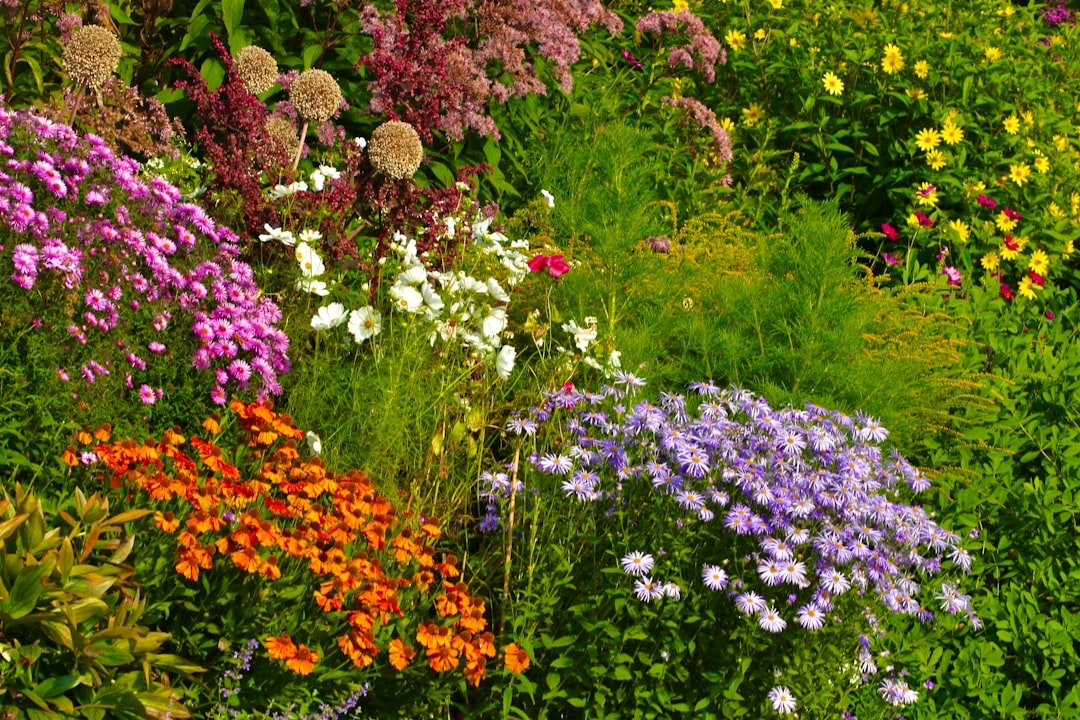
Cosmos actually prefer poor soil. Over-fertilize them and you’ll get all leaves, no flowers. Sow directly after frost danger passes, thin to 12 inches apart, and expect blooms in 7 to 8 weeks. ‘Sensation Mix’ produces large, daisy-like flowers in pink, white, and magenta. They self-sow readily, meaning a single planting can naturalize your garden for years — a low-waste, low-effort approach that builds a more sustainable growing space over time.
Marigolds — Hardy, Pest-Repelling, and Prolific
French marigolds (Tagetes patula) germinate in 4 to 7 days and bloom in about 8 weeks. They’re dual-purpose: beautiful in borders and scientifically shown to deter aphids, whiteflies, and even nematodes when planted near vegetables. A packet of ‘Bonanza’ or ‘Safari’ marigolds runs about $2–$3 and yields dozens of plants. Few flowers offer this much value for the investment.
Nasturtiums — Edible, Easy, and Ecologically Valuable
Nasturtiums thrive on neglect. Sow seeds 1/2 inch deep directly in the garden, and they’ll sprout in 10 to 12 days without any special treatment. Like cosmos, they prefer lean soil. Both the flowers and leaves are edible — peppery and bright, they’re a hit in salads. They also attract beneficial insects like hoverflies, which prey on garden pests. A true workhorse for the eco-conscious beginner.
A Real Story: From Frustration to Full Bloom
A reader named Marta from Columbus, Ohio, wrote in after her first season attempting snapdragons from seed — a flower that requires light to germinate and precise temperature control. They failed to sprout, and she nearly gave up on seed starting entirely. The following spring, she switched to zinnias. “I direct sowed them on Memorial Day weekend, forgot about them for a week, and came back to a whole row of seedlings,” she said. By July, she had more flowers than she knew what to do with. The lesson? Start with flowers that meet you where you are, not where you hope to be.
Practical Tips for Seed-Starting Success
Direct Sow vs. Starting Indoors
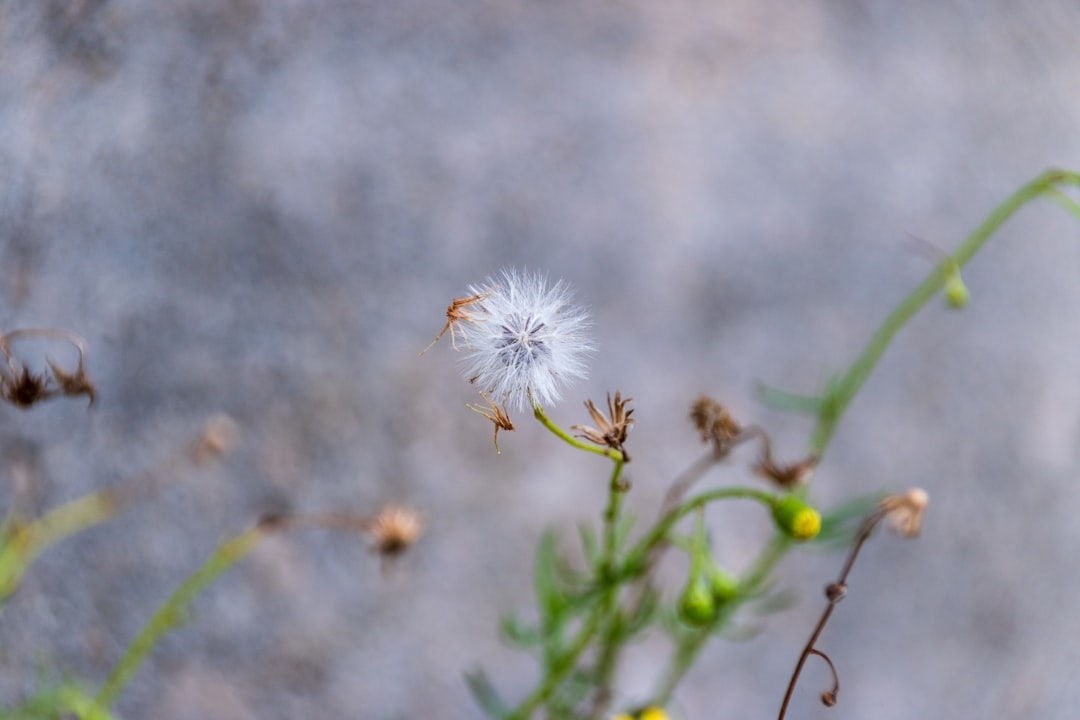
Most flowers on this list prefer direct sowing — planting seeds straight into garden beds. This avoids transplant shock and skips the need for grow lights or heat mats. If you do start seeds indoors, do it 4 to 6 weeks before your last frost date and use a seedling mix, not regular potting soil, which can compact and suffocate delicate roots.
Soil, Watering, and Spacing
Loose, well-draining soil is non-negotiable. Water seeds gently with a misting nozzle to avoid displacing them. Keep soil consistently moist — not soggy — until germination. Once seedlings have two sets of true leaves, thin them to the recommended spacing. Crowded seedlings compete for light and airflow, leading to disease.
Budget Breakdown for a Beginner Seed Garden
- 5 seed packets (zinnias, sunflowers, cosmos, marigolds, nasturtiums): ~$12–$18
- 1 bag of seedling mix (8 qt): ~$8
- Basic seed trays or biodegradable pots (optional): ~$5–$10
- Total startup cost: Under $35 for a full season of blooms
Choosing biodegradable pots made from peat, coir, or newspaper eliminates plastic waste and lets you plant the entire pot into the ground — a small but meaningful step toward a greener garden.
Frequently Asked Questions
What are the easiest flowers to grow from seed for beginners?
Zinnias, sunflowers, cosmos, marigolds, and nasturtiums are consistently the easiest flowers to grow from seed for beginners. They germinate quickly, tolerate variable conditions, and bloom reliably across most US climates.
Do I need special equipment to start flowers from seed?
For direct-sow flowers like zinnias, nasturtiums, and sunflowers, no special equipment is needed — just prepared garden soil, seeds, and water. Indoor seed starting benefits from a seedling heat mat and grow lights, but many beginners skip this entirely by choosing direct-sow varieties.
When should beginners plant flower seeds outdoors?
Most annual flower seeds should be planted after your area’s last frost date. In zones 5–7, that’s typically mid-April to mid-May. Use the USDA Plant Hardiness Zone Map or check with your local cooperative extension office for exact dates in your region.
How long does it take for flower seeds to bloom?
Most beginner-friendly annuals bloom within 8 to 12 weeks of planting. Zinnias and marigolds are among the fastest, often flowering in 8 weeks. Sunflowers vary by variety — dwarf types can bloom in 50 days, while giant varieties may take 80 to 90 days.
Can I save seeds from my flowers to replant next year?
Yes — if you choose open-pollinated or heirloom varieties. Cosmos, nasturtiums, marigolds, and sunflowers all produce viable seeds that can be harvested, dried, and stored for the following season. Hybrid varieties (often labeled F1) won’t reliably reproduce true to the parent plant.
Your First Seed Garden Starts Now
The best easy flowers from seed for beginners are the ones you actually plant. Pick one or two varieties from this list — zinnias if you want guaranteed success, nasturtiums if you want edible beauty, sunflowers if you want drama — and start small. A 4×4-foot bed or even a few containers is enough to build the confidence that turns a hesitant first-timer into a passionate grower. Check your last frost date, grab a couple of seed packets, and get your hands in the dirt. The blooms are closer than you think.