
Contents:
- Why Hydrangea Pairings Matter More Than You Think
- Best Flowers That Pair With Hydrangeas in the Garden
- Roses: The Classic Companion
- Lavender: Structure and Fragrance
- Astilbe: The Shade-Garden Solution
- Echinacea (Coneflower): Daisy Forms as Counterpoint
- Salvia: Vertical Drama on a Budget
- Flowers That Pair With Hydrangeas in Cut Arrangements
- Lisianthus vs. Ranunculus: Know the Difference
- Greenery That Elevates the Whole Arrangement
- Seasonal Pairing Strategy: Timing Is Everything
- Practical Tips for Getting the Pairings Right
- Frequently Asked Questions
- What flowers pair with hydrangeas in a wedding bouquet?
- What perennials grow well next to hydrangeas?
- Can you plant lavender with hydrangeas?
- What colors go best with blue hydrangeas?
- Do hydrangeas grow well with roses?
- Plan Your Pairings Before You Plant
Victorian-era flower arrangers called hydrangeas “the chameleon bloom” — a plant so versatile it could anchor a bridal bouquet one week and a funeral spray the next. Garden designers in 19th-century England famously planted them along estate borders specifically because no other shrub could bridge the gap between formal and wild so effortlessly. That same quality is exactly why so many gardeners today find themselves standing in the garden center, wondering which flowers pair with hydrangeas best.
The answer isn’t one-size-fits-all. Hydrangeas come in several distinct forms — mophead, lacecap, panicle, and oakleaf — each with different bloom times, light needs, and visual weights. Choosing companion plants means working with those differences, not against them. This guide breaks down the best pairings by purpose, season, and region, so you can make confident choices whether you’re designing a cutting garden or a perennial border.
Why Hydrangea Pairings Matter More Than You Think
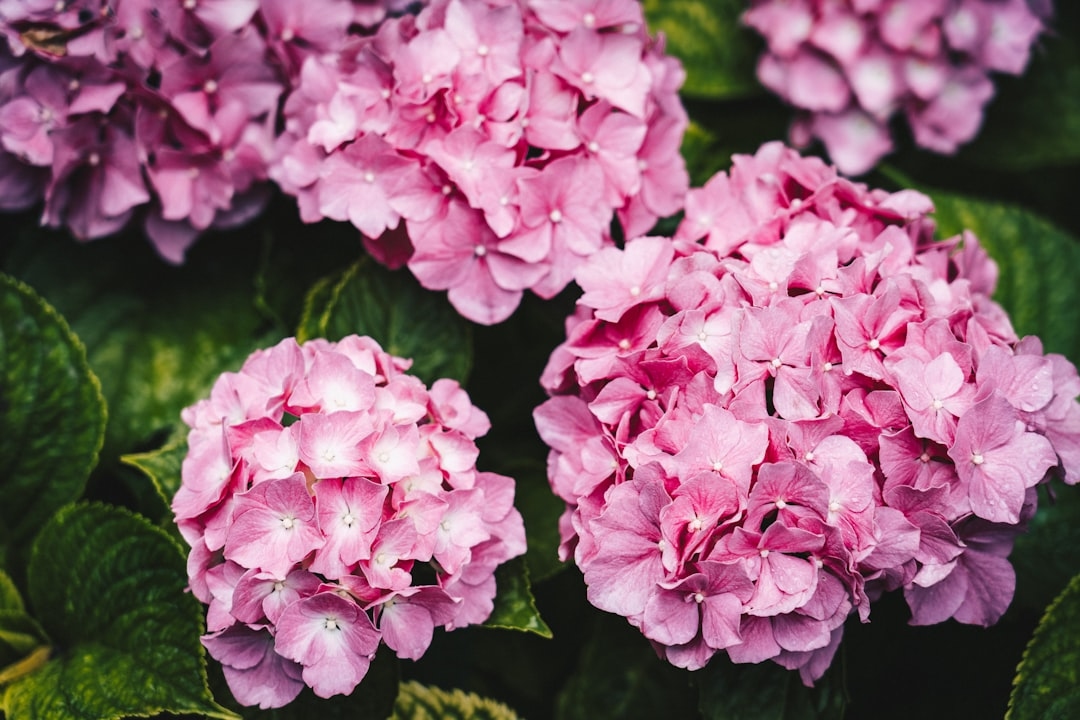
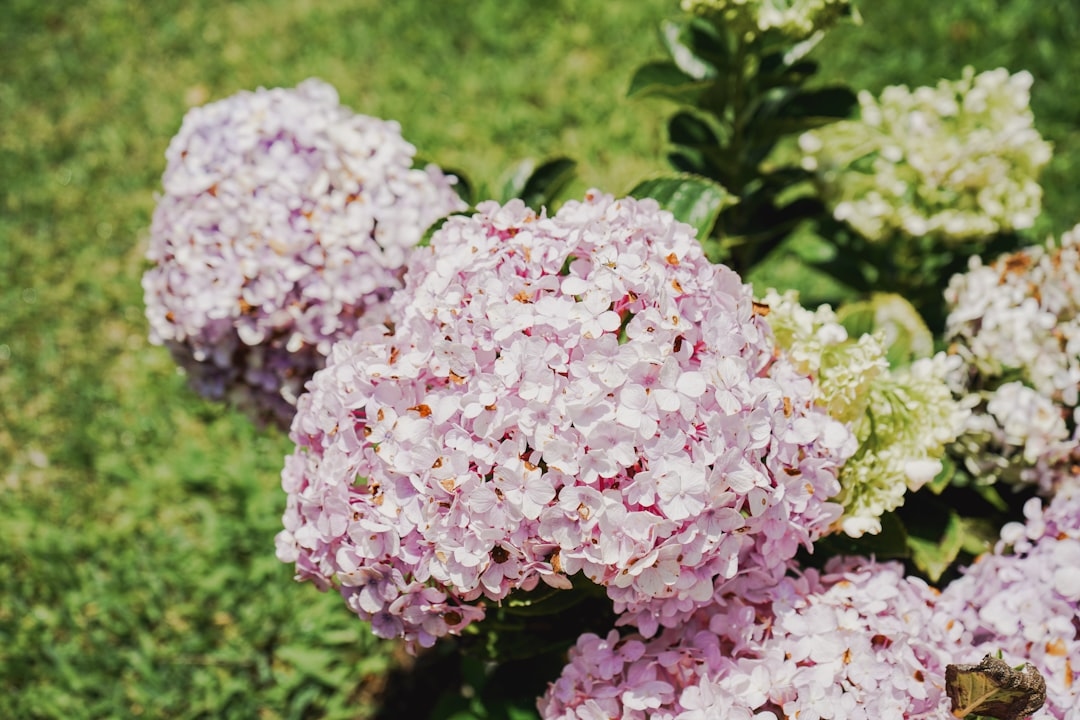
Hydrangea blooms are large and round, typically spanning 6 to 12 inches in diameter for mophead varieties. That visual mass needs contrast — something spiky, airy, or fine-textured to prevent the arrangement or border from feeling heavy and monotonous. This is the core principle of companion planting for hydrangeas: contrast in form, harmony in color.
Color is the other critical variable. Hydrangeas famously shift color based on soil pH. In acidic soil (pH below 6.0), bigleaf hydrangeas trend blue. In alkaline soil (pH above 7.0), they go pink. White varieties like ‘Annabelle’ or ‘Limelight’ stay stable regardless. This means your pairing choices need to flex with the plant — or you need to commit to managing soil chemistry to maintain predictability.
Best Flowers That Pair With Hydrangeas in the Garden
Roses: The Classic Companion
Roses and hydrangeas have coexisted in cottage gardens for centuries, and the pairing holds up for good reason. The soft, clustered petals of a hydrangea bloom echo the layered petals of a garden rose without competing with them. Shrub roses — particularly David Austin varieties like ‘Olivia Rose’ or ‘The Generous Gardener’ — work especially well because their growth habit is loose and naturalistic, matching the relaxed architecture of hydrangea shrubs.
For color coordination: pair pink hydrangeas with blush or deep coral roses, or use white hydrangeas (‘Incrediball’ is a reliable cultivar) alongside red roses for a high-contrast, classic look. Keep spacing in mind — roses need airflow, so plant them at least 3 feet from hydrangea shrubs to prevent fungal issues in humid climates.
Lavender: Structure and Fragrance
Lavender brings exactly what hydrangeas lack: vertical spikes, fine texture, and fragrance. English lavender (Lavandula angustifolia) typically blooms in June and July, overlapping with the peak of bigleaf hydrangea season. The purple-blue of lavender complements pink hydrangeas beautifully, and the silvery foliage provides contrast even when neither plant is in bloom.
One caveat: lavender demands full sun and sharp drainage, while most hydrangeas prefer partial shade and consistent moisture. In practice, this pairing works best on the sunnier edge of a hydrangea border — lavender planted where it catches 6+ hours of direct sun, hydrangeas just behind in dappled shade. The West Coast, particularly coastal California, is where this pairing thrives most naturally given the mild, dry summers.
Astilbe: The Shade-Garden Solution
For gardeners in the Northeast — where humid summers and wooded lots are common — astilbe is arguably the single best companion for hydrangeas. Both plants thrive in partial shade and consistent moisture, which means they share the same cultural requirements without compromise. Astilbe blooms in feathery plumes ranging from white and cream to deep magenta and red, providing strong vertical contrast to hydrangea’s rounded mass.
Bloom timing aligns well: most astilbe varieties peak in June through August. ‘Fanal’ (deep red) planted alongside blue mophead hydrangeas creates a striking combination. Astilbe also stays attractive after flowering — the dried plumes persist into fall and add textural interest.
Echinacea (Coneflower): Daisy Forms as Counterpoint
Coneflowers bring a flat, open daisy form that provides direct visual counterpoint to the dome of a hydrangea bloom. Their raised, spiky centers add texture that mopheads entirely lack. Plant purple coneflower (Echinacea purpurea) alongside white panicle hydrangeas like ‘Limelight’ for a naturalistic prairie-meets-cottage garden look that’s especially popular in Midwestern landscapes.
Echinacea is drought-tolerant once established, so it’s best placed slightly away from the consistent moisture zone hydrangeas prefer. A spacing of 18 to 24 inches between root zones usually manages that tension effectively.
Salvia: Vertical Drama on a Budget
Few plants deliver vertical interest as reliably as salvia, and the genus is enormous — spanning annuals, perennials, and shrubby sub-shrubs. For garden borders, Salvia nemorosa varieties like ‘Caradonna’ (deep purple, black stems) or ‘East Friesland’ bloom from May through July and often rebloom after deadheading. The narrow flower spikes shoot up 18 to 24 inches, creating strong verticality against hydrangea’s horizontal spread.
In the South, where heat tolerance matters, Salvia guaranitica ‘Black and Blue’ performs reliably into fall and pairs dramatically with white ‘Incrediball’ hydrangeas.
Flowers That Pair With Hydrangeas in Cut Arrangements
Lisianthus vs. Ranunculus: Know the Difference
Both lisianthus and ranunculus are commonly used with hydrangeas in floral design, and they’re frequently confused — even at florists. Here’s the distinction: lisianthus has upright, funnel-shaped blooms with ruffled edges and a slightly waxy texture. Ranunculus has tightly layered, paper-thin petals with a dome shape similar to a peony. Both work beautifully with hydrangeas, but for different reasons.
Ranunculus is better for romantic, garden-style arrangements where the layered petals echo and amplify hydrangea’s texture. Lisianthus — available in white, purple, and blush — adds height and linearity that hydrangeas can’t provide on their own. In a bridal bouquet, ranunculus typically costs $2 to $4 per stem wholesale; lisianthus runs $1.50 to $3.00 per stem. Hydrangea stems average $3 to $6 each depending on bloom size and season.
Greenery That Elevates the Whole Arrangement
Don’t overlook foliage. Eucalyptus (seeded or silver dollar) softens transitions between bold blooms. Italian ruscus adds dark, structured leaves that make hydrangea blooms pop. For a more textural approach, dusty miller’s silver foliage sets off blue or pink hydrangeas particularly well — and it costs almost nothing to grow from seed.
Seasonal Pairing Strategy: Timing Is Everything
Not all hydrangeas bloom at the same time, and pairing choices should account for that.
- Spring (April–May): Pair oakleaf hydrangeas — which bloom earlier than most — with alliums, bleeding heart (Dicentra spectabilis), and late-season tulips.
- Summer (June–August): The main season for bigleaf and smooth hydrangeas. Pair with roses, echinacea, astilbe, and salvia.
- Fall (September–October): Panicle hydrangeas like ‘Limelight’ turn pinkish-bronze in fall. Pair with ornamental grasses, sedum ‘Autumn Joy’, and asters for late-season interest.
Practical Tips for Getting the Pairings Right
- Use the rule of threes: In any border grouping, plant at least three of each companion species. A single astilbe next to a hydrangea reads as an accident; three reads as design.
- Match water needs first: Before selecting for aesthetics, group plants by irrigation requirements. Pairing lavender (drought-tolerant) directly against bigleaf hydrangea (moisture-hungry) creates constant cultural conflict.
- Test your soil pH before buying: If your hydrangeas are showing unexpected color, a basic soil test ($15 to $25 at most garden centers) will tell you what you’re working with before you invest in companion plants.
- Consider the Northeast rule: In USDA Zones 5 and 6, stick to cold-hardy companions like astilbe, coneflower, and hardy salvia. Ranunculus and lisianthus are cut flower crops in these zones — not garden perennials.
- Plan for fall structure: Even summer-blooming companions should have attractive foliage or seed heads in fall. Coneflower seed heads, ornamental grass plumes, and sedum rosettes all extend the border’s visual life without extra effort.
Frequently Asked Questions
What flowers pair with hydrangeas in a wedding bouquet?
Ranunculus, garden roses, lisianthus, and eucalyptus are the most popular choices. Ranunculus and roses add layered texture, while lisianthus provides height. Eucalyptus ties the arrangement together with soft foliage. For a classic white bouquet, combine white hydrangeas with white ranunculus and silver dollar eucalyptus.
What perennials grow well next to hydrangeas?
Astilbe, echinacea, salvia, and hostas all grow well alongside hydrangeas. Astilbe and hostas share hydrangea’s preference for shade and moisture. Echinacea and salvia prefer more sun but tolerate the edges of a hydrangea border effectively.
Can you plant lavender with hydrangeas?
Yes, but with care. Lavender needs full sun and dry, well-drained soil, while hydrangeas prefer partial shade and consistent moisture. Plant lavender at the sunny front edge of a border where it gets 6+ hours of sun, with hydrangeas just behind in filtered light. This separation in microclimates allows both to thrive.
What colors go best with blue hydrangeas?
White, yellow, and soft pink flowers complement blue hydrangeas most effectively. White echinacea or white astilbe create clean contrast. Yellow rudbeckia (black-eyed Susan) adds warmth. Avoid pairing blue hydrangeas with purple flowers — the similar hues tend to muddy each other rather than create contrast.
Do hydrangeas grow well with roses?
Yes. Shrub roses and hydrangeas are one of the most reliable cottage garden combinations. Keep them at least 3 feet apart to ensure airflow around rose foliage. Choose David Austin or landscape roses over hybrid teas — their looser form matches hydrangea’s naturalistic habit far better.
Plan Your Pairings Before You Plant
The most common mistake DIY gardeners make is buying plants at peak bloom and hoping they’ll work together. A better approach: sketch your border on paper first, noting bloom times, height at maturity, and water requirements for every plant. Cross-reference with your USDA hardiness zone (find it at the USDA Plant Hardiness Zone Map online) and your local first/last frost dates. That 20-minute planning step will save you from replacing plants that looked great in May but were incompatible by July. Start with one reliable trio — hydrangea, astilbe, and salvia — and expand from there once you understand how your specific site conditions affect each plant’s performance.