
Contents:
- Why Fence Lines Are a Prime Planting Zone
- Best Fence Line Flowers by Growth Habit
- Climbing and Vining Flowers
- Tall Upright Perennials for Fence Borders
- Low-Growing Flowers for Fence Edges
- Eco-Friendly Fence Line Planting Ideas
- Budget Breakdown: What to Expect to Spend
- Practical Tips for Planting Success
- FAQ: Fence Line Flowers
- What is the fastest-growing flower for a fence line?
- What fence line flowers grow in shade?
- How do I keep fence line flowers from damaging my fence?
- What are the best fence line flowers for attracting pollinators?
- Can I grow fence line flowers in containers if I don’t have ground space?
- Ready to Transform Your Fence Line?
You glance out the back window and there it is — a plain wooden fence staring back at you, begging for something green and colorful. Maybe it’s a chain-link border you’ve been ignoring for years, or a new picket fence that’s just too bare to leave alone. Either way, you’ve landed in the right place. A fence line is actually one of the best canvases in your whole yard, and with the right flowers, it can go from forgotten boundary to full-on garden showstopper.
Fence line flowers do more than look pretty. They create privacy, attract pollinators, block wind, and add serious curb appeal — all without requiring a huge footprint of garden space. Whether your fence gets six hours of sun or hides in the shade of a neighbor’s oak, there’s a flowering plant built exactly for that spot.
Why Fence Lines Are a Prime Planting Zone
Most gardeners overlook fence lines, treating them as the edge of the yard rather than a planting opportunity. That’s a missed opportunity. Fences act as a natural trellis, a windbreak that holds warmth, and a reflective surface that can actually boost sun exposure for nearby plants by up to 20% compared to open ground. Climbing and vining flowers especially thrive here because they have vertical support built right in.
Fences also create a microclimate. South-facing fence lines in particular collect heat and shelter plants from cold northern winds, which means you can sometimes grow plants rated one hardiness zone warmer than your actual zone. That’s real planting power most gardeners never tap into.
Best Fence Line Flowers by Growth Habit
Climbing and Vining Flowers
These are the superstar picks for fence lines. They use the fence itself as a scaffold and fill vertical space fast.
- Climbing Roses (Rosa spp.): Classic and bold. Varieties like ‘New Dawn’ or ‘Blaze’ can reach 10–15 feet and bloom prolifically in USDA zones 5–9. Plant them 3 feet from the fence base so roots don’t compete with the structure.
- Clematis: One of the most versatile fence line flowers available. ‘Jackmanii’ produces deep purple blooms from summer into fall and thrives in zones 4–9. Plant the crown 2 inches below soil level for best establishment.
- Morning Glory (Ipomoea purpurea): A fast-growing annual that covers a 6-foot section of fence in a single season. Seeds cost under $3 a packet and self-sow reliably in warmer zones.
- Honeysuckle (Lonicera sempervirens): Native to the eastern US, coral honeysuckle is deer-resistant, hummingbird-friendly, and works in zones 4–9 without becoming invasive like its Japanese cousin.
Tall Upright Perennials for Fence Borders
Not every fence flower needs to climb. Tall perennials planted in a row along a fence create a lush, layered look.
- Hollyhocks (Alcea rosea): Biennial beauties that can hit 6–8 feet. They practically beg to be grown against a fence and bloom in a rainbow of colors from late June through August in zones 3–9.
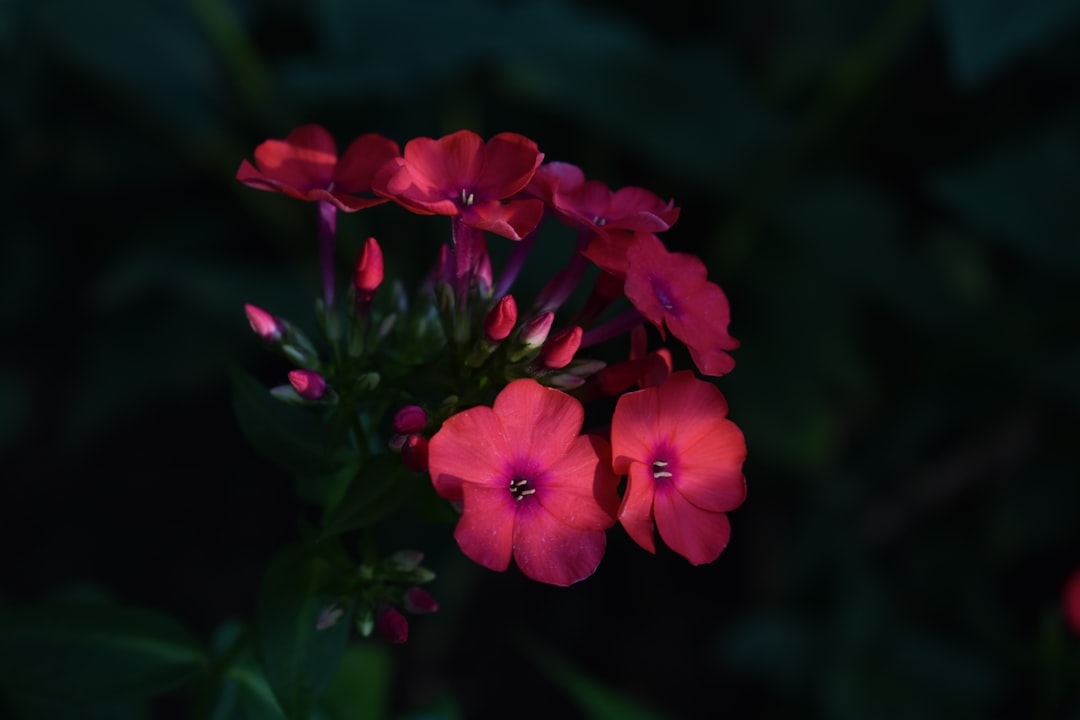
- Garden Phlox (Phlox paniculata): Grows to about 4 feet tall, blooms in mid to late summer, and smells incredible. Excellent for zones 4–8.
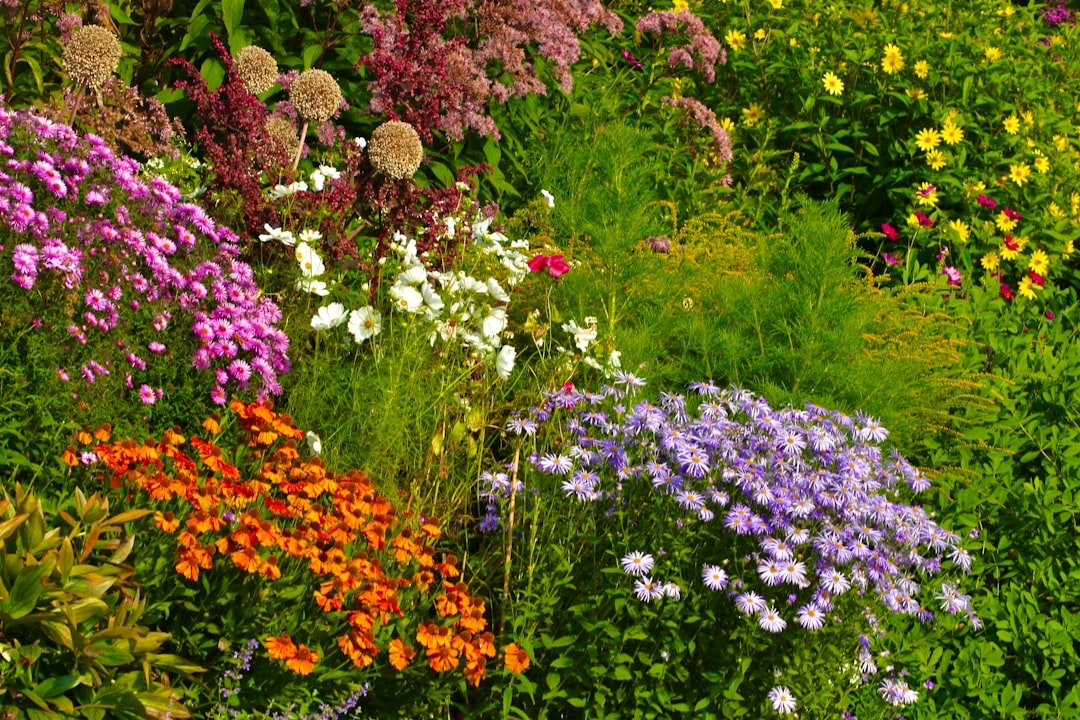
- Rudbeckia (Black-Eyed Susan): A native wildflower that reaches 2–3 feet and blooms from July through frost. It tolerates poor soil and drought — perfect for the often-neglected soil near fence posts.
Low-Growing Flowers for Fence Edges
Use these to soften the base of a fence line and fill gaps between taller plantings.
- Coneflowers (Echinacea purpurea): Native, pollinator-friendly, and drought-tolerant. They top out around 2–3 feet and bloom from June to August in zones 3–9.
- Daylilies (Hemerocallis spp.): Virtually indestructible. A clump of daylilies will naturalize along a fence line and multiply year after year with zero fuss.
- Catmint (Nepeta spp.): Low, mounding, and covered in lavender-blue flowers from spring through fall if you cut it back after the first bloom. Bees absolutely love it.
Eco-Friendly Fence Line Planting Ideas
A fence line planted with native and pollinator-friendly flowers does double duty — it looks great and actively supports local ecosystems. Native plants require up to 50% less water than non-native ornamentals once established, according to the Lady Bird Johnson Wildflower Center. That means lower water bills and less maintenance for you.
Consider mixing native species like coneflowers, black-eyed Susans, and coral honeysuckle with your chosen climbing plants. Skip the pesticides along this border — fence line flowers attract beneficial insects like parasitic wasps and lacewings that naturally control garden pests. You can also skip synthetic fertilizers; a 2-inch layer of compost worked into the soil at planting time is all most fence line perennials need to establish well.
If you have a chain-link fence, native vines like passion flower (Passiflora incarnata, zones 6–9) or trumpet vine (Campsis radicans, zones 4–9) will cover it completely within two to three seasons without any additional structures or fasteners.
Budget Breakdown: What to Expect to Spend
Planting a fence line doesn’t have to break the bank. Here’s a realistic cost estimate for a 30-foot fence section in the US market:
- Annual seeds (morning glory, sweet peas): $5–$15 total for full coverage
- Perennial plants (coneflowers, daylilies, phlox) from a garden center: $8–$15 per plant; budget $80–$150 for a 30-foot run with plants spaced 18–24 inches apart
- Climbing roses or clematis: $20–$40 per plant; one plant covers 6–10 feet, so expect $60–$160 for a 30-foot fence
- Compost and soil amendment: $15–$30 for a two-cubic-foot bag
- Total estimated range: $100–$300 for a well-planted 30-foot fence line using a mix of perennials and climbers
The most budget-friendly approach? Start with fast-growing annuals the first year while your perennials establish, then phase out the annuals as your permanent plants fill in. It’s a two-season investment that pays off for decades.
Practical Tips for Planting Success
A few details make a big difference with fence line planting:
- Check your sun exposure first. Most flowering plants need at least 6 hours of direct sun. If your fence line is shaded, pivot to shade-tolerant picks like astilbe, foxglove, or climbing hydrangea.
- Amend the soil before planting. Soil near fences is often compacted or nutrient-poor. Dig a trench 12 inches deep and wide, mix in compost, and you’ll see dramatically faster establishment.
- Give climbers a head start. Attach a few horizontal wires or garden twine between fence posts to help vining plants grab hold in their first season.
- Water deeply and less often. New fence line plants need about 1 inch of water per week. Deep, infrequent watering encourages roots to grow down rather than stay shallow and vulnerable.
- Plant in drifts, not singles. Grouping 3–5 of the same plant together looks intentional and gives pollinators a reason to stop and stay.
FAQ: Fence Line Flowers
What is the fastest-growing flower for a fence line?
Morning glory is one of the fastest options — it can cover 10 feet of fence in a single growing season from seed. For a perennial option, trumpet vine grows aggressively and can extend several feet per year once established.
What fence line flowers grow in shade?
Climbing hydrangea (Hydrangea anomala petiolaris) thrives in partial to full shade and produces stunning white blooms. Astilbe and foxglove also do well along shaded fence lines and add vertical interest.
How do I keep fence line flowers from damaging my fence?
Avoid letting woody climbers like wisteria attach directly to wood fences — the stems can warp or rot boards over time. Use removable wire supports or freestanding trellis panels set 6 inches in front of the fence to protect the structure.
What are the best fence line flowers for attracting pollinators?
Catmint, coneflower, black-eyed Susan, coral honeysuckle, and garden phlox are all excellent pollinator plants. Honeysuckle is particularly valuable for hummingbirds, while coneflowers feed both bees and goldfinches.
Can I grow fence line flowers in containers if I don’t have ground space?
Yes. Large containers (at least 15–20 gallons) placed along a fence work well for compact climbers like clematis or annual vines. Use a trellis panel leaning against the fence and anchor the container securely so it won’t tip in wind.
Ready to Transform Your Fence Line?
Start small if you’re new to this — pick one section, maybe 10 feet, and plant a climbing rose or clematis backed by a row of black-eyed Susans. See how it performs through one full season before expanding. Once you see the transformation, you’ll wonder why you waited so long to put those fence line flowers to work. Grab a soil amendment, pick your favorites from the lists above, and get planting this weekend while the season is on your side.