
Contents:
- Why Salt Air Is So Hard on Plants
- Top Salt Tolerant Coastal Flowers for Containers and Small Spaces
- Sea Thrift (Armeria maritima)
- Lantana (Lantana camara)
- Gazania (Gazania rigens)
- Rugosa Rose (Rosa rugosa)
- Portulaca (Portulaca grandiflora)
- A Seasonal Planting Calendar for Coastal Gardeners
- Common Mistakes to Avoid
- A Reader’s Experience That Changed How I Think About This
- Practical Tips for Small Coastal Spaces
- Frequently Asked Questions
- What are the most salt tolerant coastal flowers for beginners?
- Can I grow salt tolerant flowers in window boxes on a coastal apartment?
- How close to the ocean can I grow flowers?
- Do salt tolerant coastal flowers need special fertilizer?
- What flowering plants should I avoid near the coast?
Salt air kills more container gardens than neglect does. If you’ve watched a perfectly healthy plant turn brown and crispy within weeks of moving it to a balcony or patio near the coast, you’re not doing anything wrong — you’re just fighting chemistry. Salt spray coats leaf surfaces, draws moisture out of cells through osmosis, and disrupts nutrient uptake at the root level. The good news: evolution has been solving this problem for millions of years, and some flowers are genuinely built for it. Choosing the right salt tolerant coastal flowers isn’t about settling for tough-looking survivors. It’s about matching biology to environment.
Why Salt Air Is So Hard on Plants
Ocean winds carry sodium chloride particles that land on foliage and soil. When salt concentrations around roots exceed roughly 1,000 ppm (parts per million), most ornamental plants begin to show stress — leaf scorch, stunted growth, blossom drop. Winds within 500 feet of the shoreline can deposit measurable salt even on calm days. The closer your space to the water, the more selective you need to be.
Plants native to coastal dunes, cliffs, and maritime meadows have developed several adaptations: thick waxy cuticles that repel salt, glands that actively excrete sodium, deep or spreading root systems that find low-salinity pockets in soil, and small or narrow leaves that reduce surface exposure. When you choose flowers with these traits, you’re working with nature instead of against it.
Top Salt Tolerant Coastal Flowers for Containers and Small Spaces
Sea Thrift (Armeria maritima)
This is arguably the most reliably salt-hardy flowering plant available to US gardeners. Native to coastal cliffs from Maine to California, sea thrift produces tight, globe-shaped blooms in pink, white, or red from April through June. It stays compact — typically under 12 inches — making it ideal for window boxes and small containers. Hardy in USDA zones 4–8. It needs excellent drainage above everything else; standing water kills it faster than salt ever would.
Lantana (Lantana camara)
Lantana tolerates salt spray, drought, and reflected heat from pavement, which makes it a workhorse for coastal balconies. The multicolored flower clusters bloom continuously from late spring until first frost. In zones 9–11 (coastal Florida, Southern California), it’s perennial. Elsewhere, treat it as an annual or overwinter cuttings indoors. A single 4-inch transplant, available for $4–$8 at most garden centers, can fill a 12-inch pot by midsummer.
Gazania (Gazania rigens)
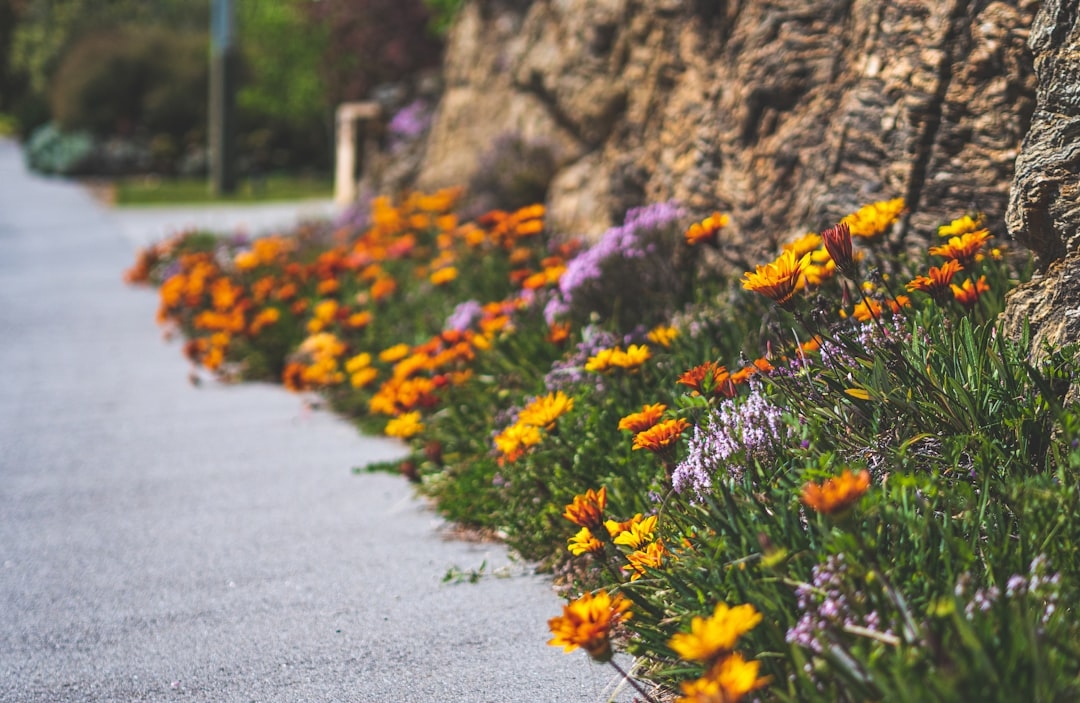
South African in origin, gazania evolved in sandy, wind-swept environments with high mineral content — nearly identical conditions to a coastal garden. The daisy-like flowers in orange, yellow, and red close at night and in overcast weather, which is worth knowing if your balcony faces north. Best in zones 9–11 as a perennial; grown as an annual everywhere else. Very low water needs once established.
Rugosa Rose (Rosa rugosa)
If you have a slightly larger container (15 gallons or more) or a small raised bed, rugosa rose rewards you with fragrant single blooms in pink, white, or magenta plus ornamental red hips in fall. It’s one of the few roses that genuinely tolerates salt spray — most hybrid teas do not. Hardy in zones 2–9. Prune hard in early spring to keep it manageable in a confined space.
Portulaca (Portulaca grandiflora)
Sometimes called moss rose, portulaca is essentially a succulent that flowers. The needle-like foliage loses minimal moisture to salt-laden air, and the blooms — brilliant reds, pinks, oranges, and yellows — are profuse all summer with zero deadheading required. It self-sows freely, so a single season’s planting often returns the following year. Excellent for zones 2–11 as a warm-season annual.
A Seasonal Planting Calendar for Coastal Gardeners
Timing matters as much as plant selection. Here’s a practical framework:
- Late February – March: Start gazania and portulaca seeds indoors under grow lights, 6–8 weeks before last frost.
- April – May: Transplant sea thrift and rugosa rose as soon as soil can be worked. These cold-tolerant plants establish best in cool weather.
- After last frost (May–June depending on zone): Move lantana outdoors and direct-sow portulaca in containers.
- July – August: Peak bloom for most coastal annuals. Deadhead lantana weekly for continuous flowering.
- September – October: Collect rugosa rose hips for visual interest. Take lantana cuttings before first frost if overwintering.
- November – March: Sea thrift and rugosa rose are dormant but alive. Reduce watering; avoid fertilizing.
Common Mistakes to Avoid
- Using regular potting mix without amendment. Standard potting soil retains too much moisture for most salt-tolerant species, which prefer lean, fast-draining conditions. Mix in 25–30% perlite or coarse sand.
- Trusting the “full sun” label without checking reflected heat. A south-facing concrete balcony near the ocean can reach 120°F in summer. Even sun-lovers need afternoon shade in these conditions.
- Fertilizing too heavily. High-nitrogen fertilizers push lush, soft growth that’s more vulnerable to salt burn. Use a balanced, slow-release granule (like 10-10-10) at half the recommended rate.
- Grouping salt-sensitive plants with tolerant ones. One impatiens in a mixed container can drag down the whole arrangement if salt stress triggers disease.
- Rinsing foliage with a strong stream. After heavy ocean storms, rinsing leaves with a gentle spray of fresh water does help remove salt deposits — but blasting plants damages tissue. Use a watering can or low-pressure hose setting.
A Reader’s Experience That Changed How I Think About This
A gardener in Gloucester, Massachusetts wrote in describing her third failed attempt to grow geraniums on her second-floor ocean-facing balcony. She’d tried shade, extra water, premium soil — nothing worked. On a neighbor’s suggestion, she replaced the geraniums with sea thrift and portulaca in the same containers, same location. Both bloomed through September without a single episode of leaf scorch. The difference wasn’t care or effort. It was species selection. Geraniums (Pelargonium spp.) are moderately salt-sensitive. Sea thrift is the opposite. Same balcony, completely different outcome.
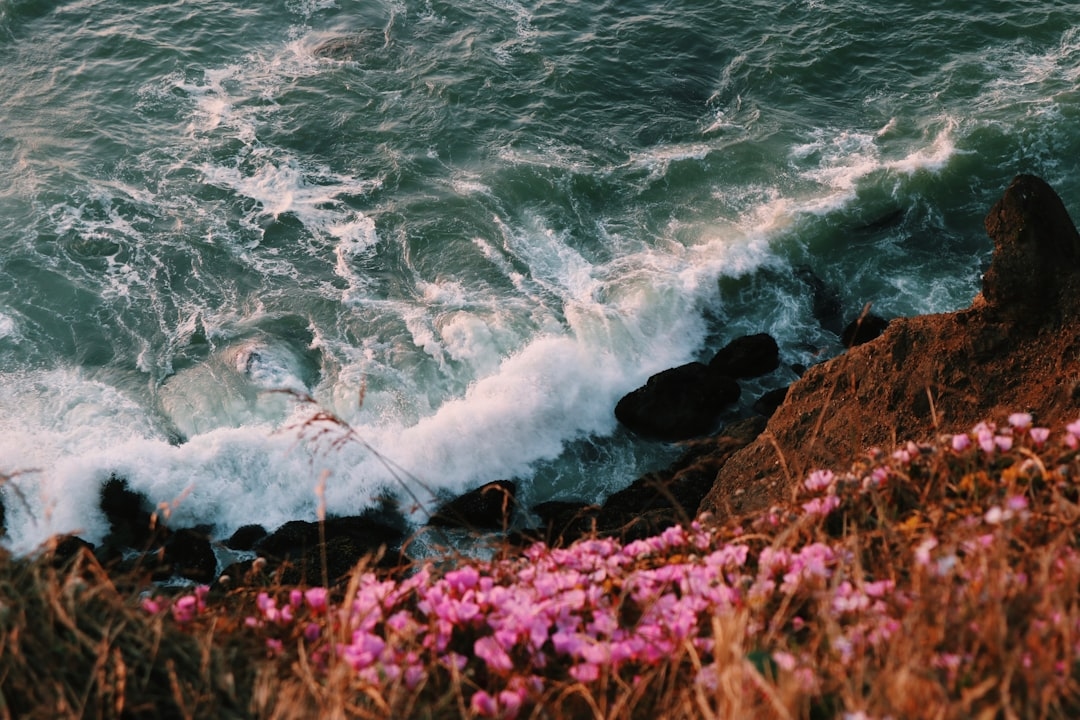
This is the most practical insight in coastal gardening: the plant matters more than the technique. You can optimize soil, fertilizer, and watering schedules, but if you start with a salt-intolerant species, you’re fighting a losing battle.
Practical Tips for Small Coastal Spaces
Container size directly affects salt tolerance. Larger volumes of soil buffer salt concentrations better than small ones. If possible, use containers of at least 10–12 inches in diameter for annuals and 15+ inches for perennials. Terracotta breathes well but dries out faster; glazed ceramic or resin containers retain moisture longer, which can be an advantage if you’re working with windy, dry coastal conditions.
Position matters too. A windbreak — even a simple railing, trellis, or neighboring planter — can reduce salt deposition by 40–60% according to research from coastal revegetation projects. Place your most salt-sensitive choices in the lee (sheltered side) of your balcony, and put the toughest plants — lantana, portulaca — directly in the wind’s path.
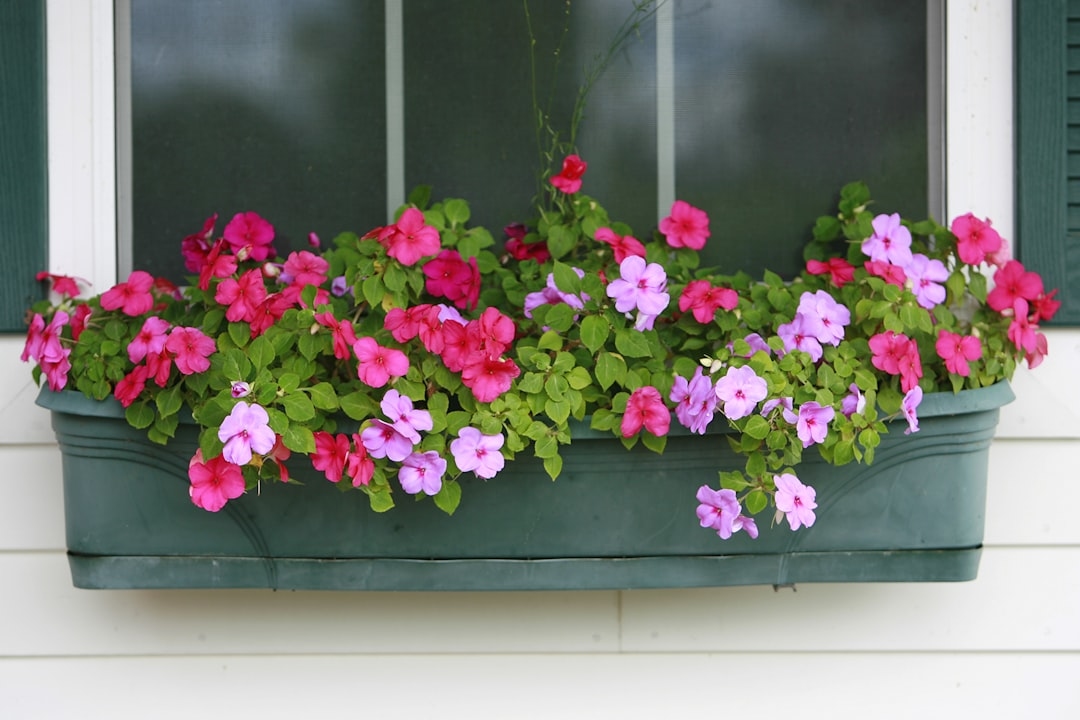
For window boxes, choose a liner with drainage holes and elevate the box slightly so water doesn’t pool underneath. Stagnant, salt-concentrated water at the base of a container is one of the fastest ways to kill root systems.
Frequently Asked Questions
What are the most salt tolerant coastal flowers for beginners?
Sea thrift (Armeria maritima) and portulaca are the best starting points. Both are low-maintenance, reliably salt-hardy, and widely available at garden centers for under $5 per plant. They tolerate beginner mistakes like inconsistent watering better than most other coastal flowers.
Can I grow salt tolerant flowers in window boxes on a coastal apartment?
Yes. Lantana, gazania, and portulaca all perform well in window boxes. Use a fast-draining mix, ensure drainage holes aren’t blocked, and position boxes on the sheltered (inland-facing) side of the building if possible to reduce direct salt spray exposure.
How close to the ocean can I grow flowers?
Truly salt-hardy species like sea thrift and rugosa rose can thrive within 100 feet of the shoreline. Most ornamental annuals perform better 200–500 feet back. The key variable is wind exposure, not just distance — a sheltered courtyard 50 feet from the water may have lower salt deposition than an exposed balcony a quarter mile away.
Do salt tolerant coastal flowers need special fertilizer?
Not special, but restrained. Use a balanced slow-release fertilizer (10-10-10 or similar) at half the recommended rate. Excessive nitrogen increases salt sensitivity by promoting soft, fast-growing tissue. Fertilize in spring and midsummer only — not in fall.
What flowering plants should I avoid near the coast?
Impatiens, fuchsia, hybrid tea roses, and most annual salvias are notably salt-sensitive and will struggle within 500 feet of the ocean. Hydrangeas, while popular, are also moderately sensitive and require significant wind protection to perform well in coastal settings.
Start with one or two species from this list this season — sea thrift and portulaca are the lowest-risk entry points — and observe how they perform in your specific microclimate. Coastal gardening has a steep learning curve in the first year and gets dramatically easier once you understand your exposure level. Your balcony or window box isn’t limited by the ocean; it’s shaped by it. Work with that, and you’ll have color from April through October.