


Contents:
- What Makes a Great Cutting Garden Flower?
- The Best Cutting Garden Flowers to Grow at Home
- Zinnias: The Workhorse of the Cutting Garden
- Lisianthus: The Florist’s Secret
- Dahlias: High Drama, High Reward
- Snapdragons: Cool-Season Champions
- Sweet Peas: Old-Fashioned Fragrance
- Celosia: Texture and Longevity
- Regional Considerations for Cutting Garden Success
- Expert Insight: Succession Planting Is Everything
- Common Mistakes to Avoid
- Practical Tips for Small-Space Cutting Gardens
- Frequently Asked Questions About Cutting Garden Flowers
- What are the easiest cutting garden flowers for beginners?
- How many plants do I need to have enough flowers to cut?
- Can cutting garden flowers grow in containers on a balcony?
- When should I start a cutting garden from seed indoors?
- How long do homegrown cut flowers last in a vase?
- Start Small, Cut Often, and Build From There
You’ve stood at the grocery store flower display one too many times, picking up a $15 bunch of carnations that wilts by Wednesday. Or maybe you’ve scrolled through gorgeous garden photos wondering why your yard can’t produce anything worth putting in a vase. The truth is, growing your own cutting garden flowers isn’t reserved for people with sprawling country estates. Even a single raised bed, a few containers on a balcony, or a narrow strip of sunny yard can yield enough blooms to keep fresh arrangements in your home from May through October.
This guide breaks down exactly which flowers to grow, how to choose them strategically, and how to avoid the pitfalls that send most first-time cutting gardeners back to the grocery store.
What Makes a Great Cutting Garden Flower?
Not every beautiful flower belongs in a cutting garden. The best candidates share a few key traits: long stems (at least 12–18 inches), vase life of five days or more, and the ability to be harvested repeatedly without killing the plant. Many cutting garden favorites are actually “cut-and-come-again” varieties—the more you harvest, the more they bloom.
Stem strength matters too. A flower that droops immediately after cutting is frustrating to work with, no matter how pretty it looks on the plant. And for small-space growers, productivity per square foot is everything. You want flowers that give you multiple harvests per season, not a single dramatic flush that’s over in two weeks.
The Best Cutting Garden Flowers to Grow at Home
Zinnias: The Workhorse of the Cutting Garden
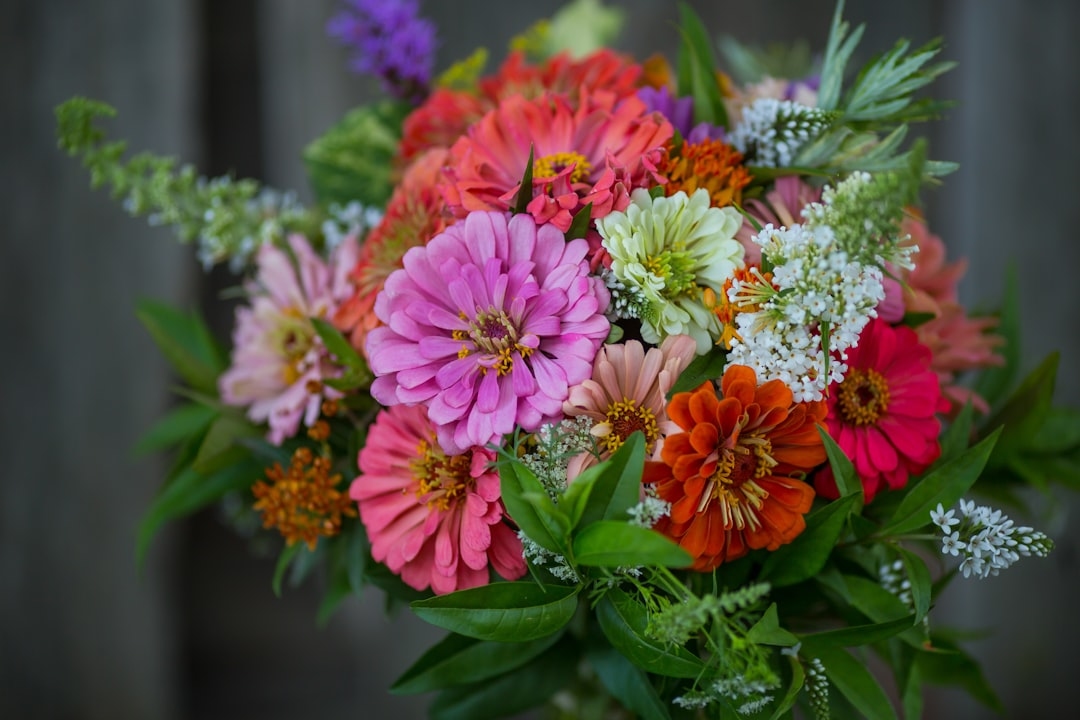
Zinnias are arguably the single best flower for beginning cutting gardeners. They’re heat-tolerant, fast-growing (blooms appear just 8–10 weeks from seed), and intensely productive. A single plant can yield 20 or more stems over a summer. Look for the ‘Benary’s Giant’ series for large, dahlia-like blooms on 18–24 inch stems, or ‘Senora’ for a rich coral that photographs beautifully. Direct-sow seeds after your last frost date; they hate transplanting.
Lisianthus: The Florist’s Secret
Lisianthus looks like a cross between a rose and a peony and costs $4–$6 per stem at florists. Growing it yourself requires patience—it takes 5–6 months from seed to flower—but the payoff is extraordinary. Vase life runs 2–3 weeks. Start seeds indoors in January or February for summer blooms, or buy starts from a specialty nursery. The ‘Echo’ series in lavender and white are particularly striking.
Dahlias: High Drama, High Reward
Few cutting garden flowers generate more excitement than dahlias. Tubers planted in May produce dinner-plate-sized blooms by August. Café au Lait is the most-photographed dahlia on social media for good reason—its blush-and-cream tones pair with everything. For small spaces, ball dahlias like ‘Karma Prospero’ offer slightly smaller blooms on 24-inch stems that don’t require staking. Plant tubers 4–6 inches deep, 18 inches apart.
Snapdragons: Cool-Season Champions
While summer gets most of the attention, snapdragons thrive in cooler weather—spring and fall in most of the country, and winter in USDA Zones 8–10. For cutting, choose tall varieties like ‘Rocket’ or ‘Madame Butterfly,’ which reach 30–36 inches. They last 7–10 days in a vase and are among the most fragrant cutting flowers you can grow. In the South, gardeners often treat snapdragons as fall-planted annuals that bloom through March.
Sweet Peas: Old-Fashioned Fragrance
Sweet peas offer something almost no other cutting garden flower does: true, heady fragrance. The ‘Spencer’ varieties have the longest stems (12–18 inches) and the widest color range. In the Northeast and Pacific Northwest, sow seeds directly in the ground in early April—they need cool soil to germinate. In warmer climates, plant in October for spring blooms. One note: sweet peas are not edible and are toxic if ingested.
Celosia: Texture and Longevity
Celosia—particularly the plume and wheat varieties—adds architectural texture that rounds out any arrangement. It also dries beautifully, extending its usefulness well beyond its fresh vase life of 10–14 days. ‘Flamingo Feather’ grows 24–30 inches tall. Celosia thrives in heat and humidity, making it a natural fit for Southern gardens where other flowers struggle in July and August.
Regional Considerations for Cutting Garden Success
Geography shapes your cutting garden calendar more than any other factor. In the Northeast (Zones 5–6), the growing window runs roughly May through September. Focus on zinnias, dahlias, and lisianthus for summer, and plant snapdragons and sweet peas as early as the soil can be worked in spring.
In the South (Zones 7–9), summer heat is the enemy of many cool-season favorites. Savvy Southern gardeners shift their cutting garden to a fall-through-spring model, leaning on lisianthus, snapdragons, ranunculus, and larkspur from October through May, then pivoting to heat-tolerant zinnias and celosia in summer.
On the West Coast, mild temperatures and low humidity create near-ideal conditions. Gardeners in coastal California can grow ranunculus and anemones as winter annuals and transition to dahlias and zinnias in summer—often achieving a nearly year-round cutting garden with the right plant selection.
Expert Insight: Succession Planting Is Everything
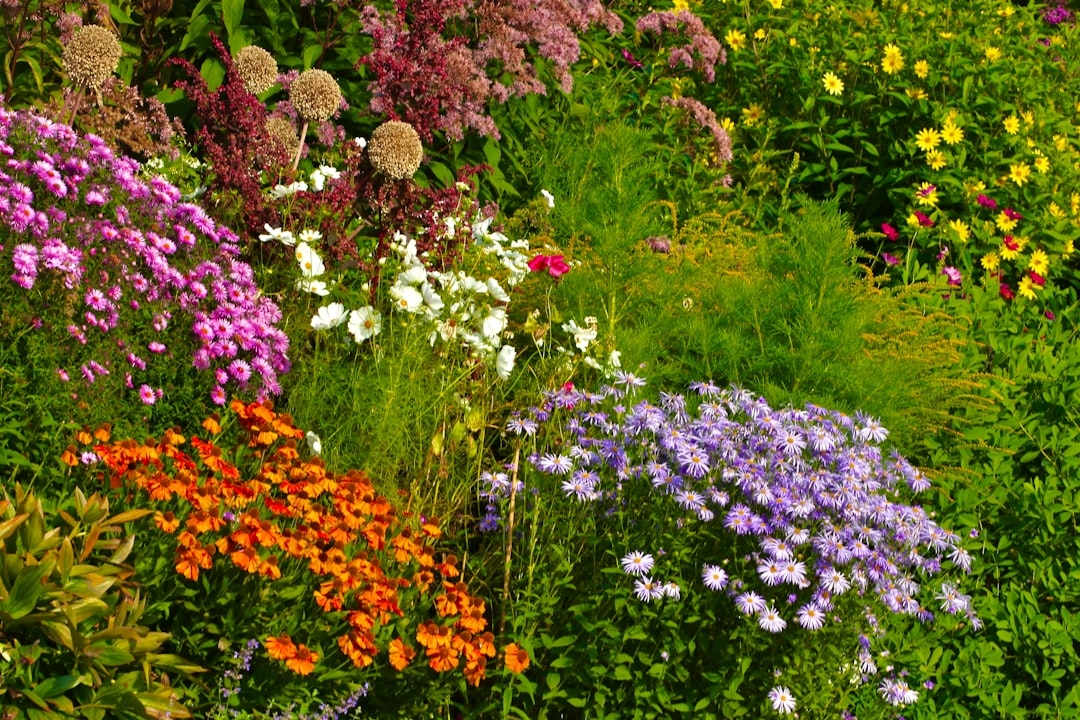
“The biggest mistake I see home gardeners make is planting everything at once and then having nothing to cut for weeks at a time,” says Margaret Hollis, a certified horticulturist and floral designer with 18 years of experience at her Portland, Oregon studio. “Stagger your zinnia plantings every 2–3 weeks from late May through early July. You’ll have continuous blooms from July all the way through the first frost.”
This succession planting strategy—also called relay planting—is standard practice in commercial cut flower farming and works equally well in a 4×8 raised bed.
Common Mistakes to Avoid
- Cutting at the wrong time of day. Always harvest in the early morning or evening when stems are most hydrated. Midday cutting leads to immediate wilting.
- Skipping the water bucket. Bring a bucket of water to the garden and plunge stems in immediately after cutting. Don’t wait until you’ve finished harvesting.
- Growing only one type of flower. Arrangements need variety—tall thrillers, mid-level fillers, and delicate spillers. Plant at least three different species.
- Not deadheading promptly. Once a flower sets seed, the plant stops producing. Check your cutting garden every 2–3 days and remove spent blooms.
- Planting too little. A 4×4 foot patch sounds generous until you’re cutting. For meaningful harvests, plan for at least a 4×8 foot dedicated cutting bed, or two to three large containers.
Practical Tips for Small-Space Cutting Gardens
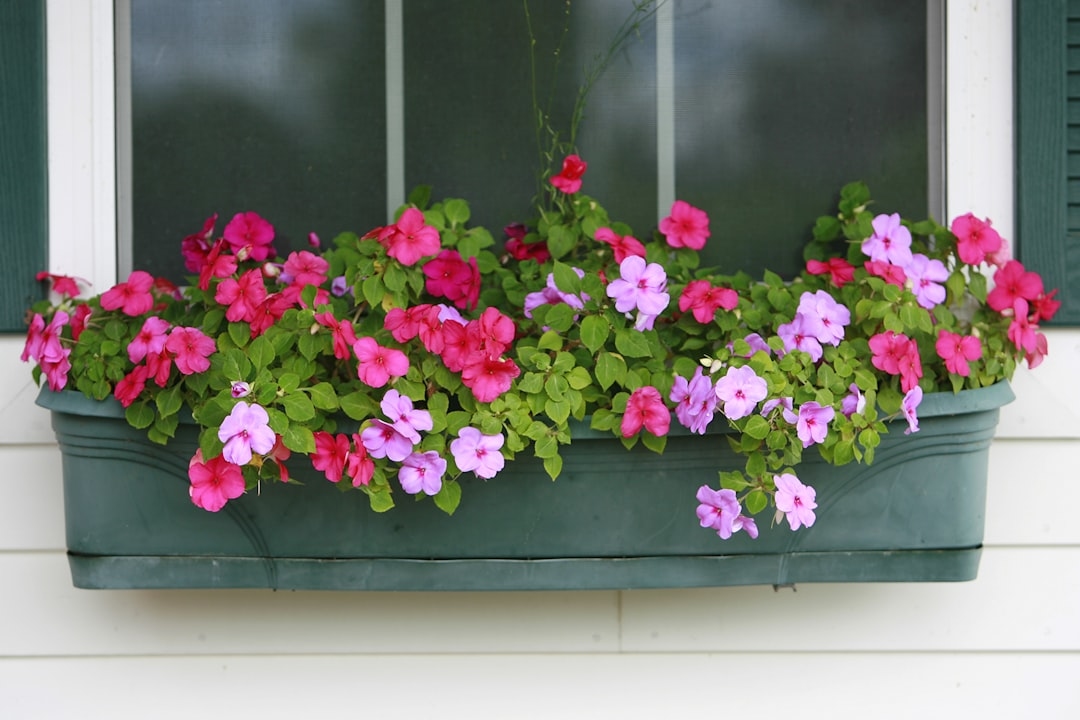
Limited square footage doesn’t mean limited blooms. Container growing works surprisingly well for zinnias (choose a pot at least 12 inches deep), sweet peas (train them up a trellis on a balcony), and even compact dahlias. The key is choosing varieties specifically bred for containers or smaller spaces—look for words like “dwarf,” “compact,” or “patio” on seed packets.
Vertical growing is another space multiplier. Sweet peas, climbing nasturtiums, and even some tall celosias can be trained upward on a simple bamboo trellis, freeing up ground space for other plants. A single 6-foot trellis can support 8–10 sweet pea plants producing dozens of stems per week.
For soil, don’t skimp. Cutting garden flowers are heavy feeders. Fill containers with a high-quality potting mix and add a slow-release granular fertilizer at planting. Side-dress with a balanced liquid fertilizer (10-10-10) every 3–4 weeks through the season.
Frequently Asked Questions About Cutting Garden Flowers
What are the easiest cutting garden flowers for beginners?
Zinnias, sunflowers, and celosia are the easiest cutting garden flowers for beginners. All three are direct-sown from seed, germinate quickly, tolerate heat, and produce abundant stems without much intervention. Zinnias in particular are nearly foolproof—plant seeds after the last frost, water regularly, and harvest often.
How many plants do I need to have enough flowers to cut?
For regular weekly arrangements, plan for 12–15 zinnia plants, 6–8 dahlia tubers, and 10–12 stems of a filler flower like celosia or statice. This quantity fits comfortably in a 4×8 raised bed and provides enough variety for 1–2 arrangements per week at peak season.
Can cutting garden flowers grow in containers on a balcony?
Yes. Zinnias, dwarf dahlias, sweet peas, and snapdragons all grow successfully in containers. Use pots at least 12 inches deep and wide, ensure adequate drainage, and water more frequently than you would in-ground plants—containers dry out faster. Place in a location with at least 6 hours of direct sun daily.
When should I start a cutting garden from seed indoors?
Start lisianthus 16–20 weeks before your last frost date. Start snapdragons 10–12 weeks before. Zinnias and celosia don’t need indoor starting—direct sow them after your last frost. Check the Old Farmer’s Almanac frost date map to find your specific last frost date by zip code.
How long do homegrown cut flowers last in a vase?
Vase life varies by species: zinnias last 7–10 days, dahlias 5–7 days, lisianthus 14–21 days, and snapdragons 7–10 days. Change the water every 2 days, trim stems at a 45-degree angle each time, and keep arrangements away from direct sunlight and ripening fruit (which emits ethylene gas that speeds petal drop).
Start Small, Cut Often, and Build From There
The most important step is planting something this season—even if it’s just a single container of zinnias on a sunny windowsill or balcony. Cutting garden flowers reward attentiveness: the more you harvest, the more they produce. Once you’ve experienced the satisfaction of snipping your own dahlias or sweet peas and arranging them in a jar on your kitchen table, you’ll find yourself expanding the garden every spring.
Start with zinnias and one other species this year. Next spring, add lisianthus or dahlias. By year three, you’ll have a system—and a cutting garden that makes store-bought bouquets feel like a distant memory.