


Contents:
- Why Certain Flowers Are Dangerous to Children
- Common Toxic Flowers Children Encounter in Gardens and Homes
- Foxglove (Digitalis purpurea)
- Oleander (Nerium oleander)
- Lily of the Valley (Convallaria majalis)
- Delphiniums and Larkspurs
- Autumn Crocus (Colchicum autumnale)
- Daffodils (Narcissus spp.)
- Sweet Peas (Lathyrus odoratus)
- Hydrangeas
- A Real-World Wake-Up Call
- Safer Alternatives That Still Look Beautiful
- Common Mistakes to Avoid
- What to Do If a Child Ingests a Toxic Flower
- Frequently Asked Questions
- What flowers are most toxic to children?
- Are daffodils poisonous to children?
- Are hydrangeas toxic to children?
- What flowers are safe to grow in a garden with young children?
- Should I remove toxic flowers if I have kids?
- Make Your Garden Child-Safe This Season
Over 50,000 calls to U.S. Poison Control Centers each year involve plant exposures — and a significant portion involve children under age 6. Toxic flowers children encounter aren’t always the ones you’d expect. Some of the most dangerous plants in American gardens look perfectly innocent, even cheerful.
You don’t have to tear out your entire garden. But knowing which flowers carry real risk lets you make smart choices about what you plant, where you plant it, and how you talk to your kids about what not to touch.
Why Certain Flowers Are Dangerous to Children
Plants evolved toxins to protect themselves from being eaten — by insects, animals, and yes, curious toddlers who put everything in their mouths. Children are especially vulnerable because their smaller body weight means even trace amounts of certain compounds can cause serious symptoms. A dose that gives an adult mild stomach upset can send a 30-pound child to the emergency room.
The toxic agents vary by plant: alkaloids (in delphiniums), glycosides (in foxglove), oxalates (in peace lilies), and saponins (in sweet peas) all work differently in the body. Some irritate the mouth and throat. Others affect the heart, nervous system, or kidneys.
Common Toxic Flowers Children Encounter in Gardens and Homes
Foxglove (Digitalis purpurea)
Foxglove is one of the most dangerous flowers you can grow near children. Every part of the plant — leaves, flowers, seeds — contains cardiac glycosides that disrupt heart rhythm. Ingesting even a small amount can cause nausea, vomiting, and potentially fatal arrhythmias. Despite its beauty, this is a flower to skip entirely if you have young kids.
Oleander (Nerium oleander)
Oleander grows widely in USDA Hardiness Zones 8–11 — across the Sun Belt from California to Florida. It’s a popular landscape shrub with showy blooms, and it’s extremely toxic. All parts contain oleandrin and neriine, compounds that can cause severe cardiac symptoms within hours of ingestion. Even water in a vase holding oleander can become toxic.
Lily of the Valley (Convallaria majalis)
This dainty spring flower looks harmless. It isn’t. The berries and flowers contain over 38 cardiac glycosides. Children are sometimes drawn to the small red berries that appear in late summer. A handful can cause vomiting, low heart rate, and confusion.
Delphiniums and Larkspurs
Popular in cottage gardens and cutting gardens, delphiniums contain diterpene alkaloids in all plant parts, with the highest concentrations in young growth and seeds. Symptoms of poisoning include burning in the mouth, nausea, muscle weakness, and — in severe cases — respiratory failure.
Autumn Crocus (Colchicum autumnale)
Often confused with edible spring crocuses, autumn crocus contains colchicine, a compound so toxic it’s used in chemotherapy drugs at controlled doses. The entire plant is dangerous. Symptoms may be delayed 2–6 hours after ingestion, which makes it especially treacherous — the child may seem fine at first.
Daffodils (Narcissus spp.)
One of America’s most popular spring bulb flowers, daffodils contain lycorine and other alkaloids throughout the plant, with the highest concentration in the bulb. Eating the bulb causes rapid vomiting, diarrhea, and in large amounts, cardiac arrhythmia. There are roughly 13,000 reported cases of daffodil poisoning in the U.S. annually.
Sweet Peas (Lathyrus odoratus)
The seeds are the danger here. Sweet pea seeds contain aminopropionitrile, which affects the nervous system and connective tissue. Children may be tempted to snack on what looks like a tiny pea pod. Symptoms include weakness, paralysis, and skeletal abnormalities with prolonged exposure.
Hydrangeas
Widely planted and often gifted, hydrangeas contain cyanogenic glycosides — compounds that release small amounts of cyanide when metabolized. The flowers and buds have the highest concentrations. Most exposures cause mild GI upset, but large ingestions can cause more serious symptoms.
A Real-World Wake-Up Call
A reader who gardens in suburban Atlanta shared her story: her 3-year-old pulled a flower off a potted lily of the valley on the back porch and chewed it before anyone noticed. One call to Poison Control, one frantic hour of monitoring, and one very lucky outcome. “I had no idea,” she wrote. “It looked like something from a fairy tale. I thought it was just pretty.” Now she keeps a printed list of toxic plants on her refrigerator and replaces any high-risk plants in reach of the kids with bee balm, zinnias, and marigolds.
Safer Alternatives That Still Look Beautiful
You don’t have to sacrifice a gorgeous garden. These flowers are considered non-toxic to children by the ASPCA and poison control databases:
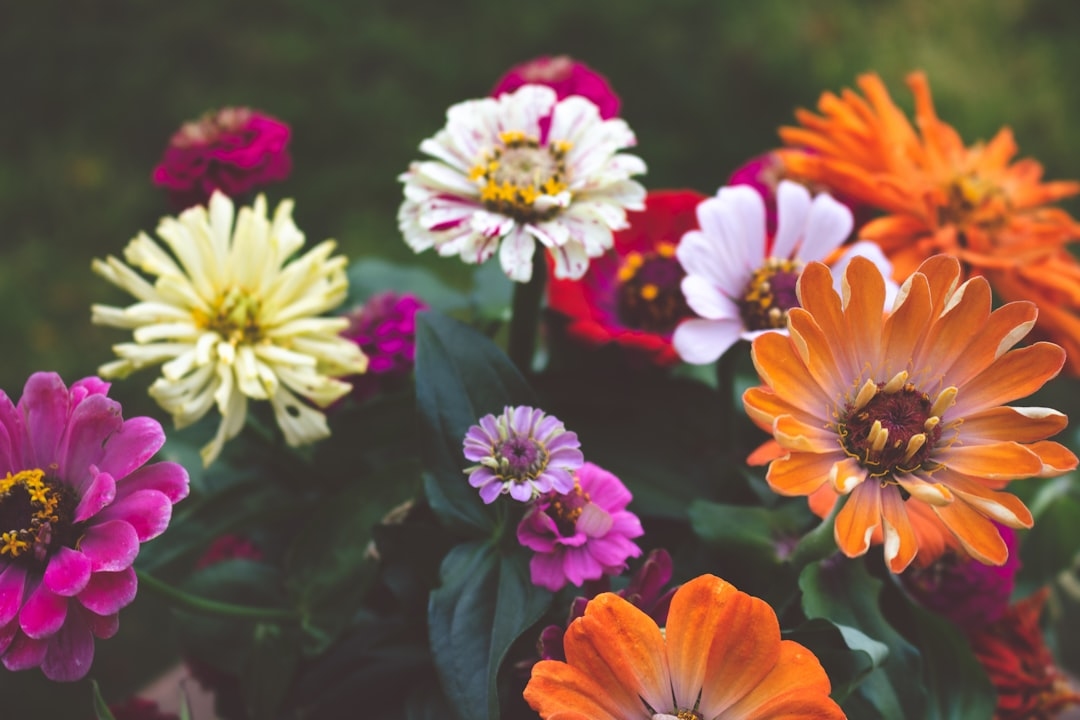
- Zinnias — easy to grow from seed, drought-tolerant, bright colors
- Marigolds — natural pest deterrents, very low cost per packet
- Snapdragons — cool-season bloomers that kids love to “snap”
- Bee balm (Monarda) — attracts pollinators, edible leaves
- Sunflowers — edible seeds, grow fast enough to keep children interested
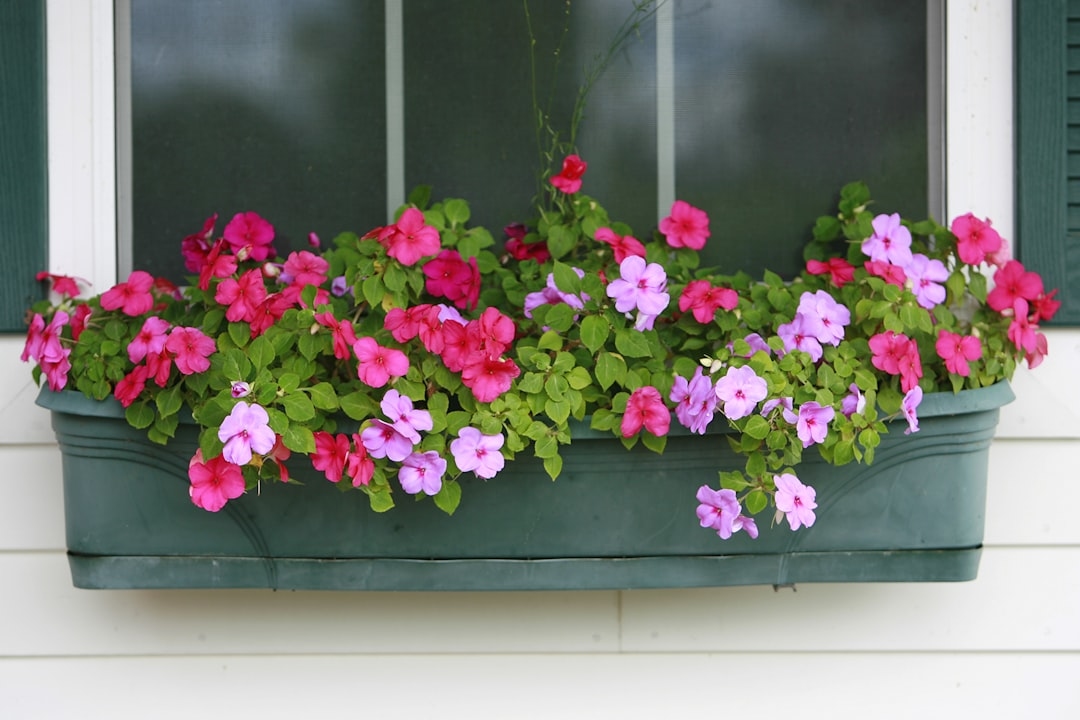
- Impatiens — great for shady spots, no toxic compounds
Seed packets for zinnias or marigolds run $2–$4 at most garden centers — budget-friendly and genuinely safe.
Common Mistakes to Avoid
- Assuming “common” means safe. Daffodils and hydrangeas are everywhere — that doesn’t reduce their toxicity.
- Ignoring indoor plants. Peace lilies, pothos, and philodendrons are toxic too. Children spend most of their time indoors.
- Relying on taste as a deterrent. Some toxic plants taste sweet or neutral. Don’t count on bitterness to stop a child.
- Forgetting about water in vases. Cut flowers like oleander or lily of the valley can leach toxins into vase water.
- Not updating caregivers. Grandparents, babysitters, and daycare providers need to know your garden rules too.
What to Do If a Child Ingests a Toxic Flower
Call the American Association of Poison Control Centers immediately: 1-800-222-1222. This line is free, confidential, and available 24/7. Don’t wait for symptoms to appear — with plants like autumn crocus, symptoms can be delayed significantly. Try to identify the plant and bring a sample or photo if you go to the ER. Do not induce vomiting unless specifically directed by Poison Control.
Frequently Asked Questions
What flowers are most toxic to children?
Foxglove, oleander, lily of the valley, autumn crocus, and delphiniums are among the most dangerous. They contain cardiac glycosides, alkaloids, or colchicine that can cause serious symptoms — including heart arrhythmias — even in small amounts.
Are daffodils poisonous to children?
Yes. All parts of the daffodil plant contain lycorine, especially the bulb. Ingestion typically causes vomiting and diarrhea, but large amounts can affect heart function. Daffodils account for thousands of poisoning calls annually in the U.S.
Are hydrangeas toxic to children?
Yes, mildly. Hydrangeas contain cyanogenic glycosides, which can cause nausea, vomiting, and diarrhea. Serious poisoning is rare but possible with large ingestions, particularly of the buds and flowers.
What flowers are safe to grow in a garden with young children?
Zinnias, marigolds, snapdragons, sunflowers, bee balm, and impatiens are all considered non-toxic to children. They’re also easy to grow and budget-friendly — most seed packets cost under $4.
Should I remove toxic flowers if I have kids?
Not necessarily all of them — but relocate any high-risk plants to areas children can’t access, use physical barriers like raised beds with locked gates, and teach children as young as 2 never to put plants in their mouths. A risk-based approach is more practical than total removal.
Make Your Garden Child-Safe This Season
Walk your yard today with fresh eyes. Check every plant against a reliable toxic plant database — the ASPCA’s online list and the Poison Control plant database are both free and well-maintained. Photograph anything you can’t identify and post it to a gardening forum or take a clipping to your local extension office. Then replace your highest-risk plants with one or two safe alternatives this season. Small swaps, done consistently, add up to a garden you can actually relax in.