Contents:
- What “Year-Round Blooming” Actually Means
- Top Flowers That Bloom All Year for Events and Gardens
- Roses — The Evergreen Performer
- Lantana — Nonstop Color in the Heat
- Gerbera Daisies — The Event Staple That Never Goes Out of Style
- Impatiens — The Shade-Lover That Keeps Giving
- Calibrachoa — The Container Powerhouse
- Flowers That Bloom All Year vs. Long-Season Bloomers: Know the Difference
- Sustainable Choices: Eco-Friendly Year-Round Flowers
- Practical Tips for Year-Round Flower Planning
- FAQ: Flowers That Bloom All Year
- What flowers bloom all year in the US?
- What is the longest-blooming perennial flower?
- Can I have year-round flowers in a cold climate like Zone 5 or 6?
- Are year-round blooming flowers more expensive?
- What’s the most low-maintenance flower that blooms all year?
- Plan Your Flowers Around the Full Calendar
In Victorian England, the language of flowers — called floriography — was taken so seriously that entire dictionaries were published to decode the meaning of each bloom. A single wilted arrangement could signal a failed romance; a fresh, continuous display of color meant enduring devotion. That obsession with perpetual blooms wasn’t just romantic theater. It reflected something deeply human: we want flowers that last. Not just for a week, not just for a season — but always. If you’re planning a wedding, a long-running event series, or simply want to fill your venue with living color every month of the year, knowing which flowers bloom all year is the difference between a beautiful moment and a consistently breathtaking space.
What “Year-Round Blooming” Actually Means
Before building your flower plan around a species, it helps to understand what “blooms all year” really means in practice. Some flowers produce continuous blooms in warm climates (USDA Hardiness Zones 9–11) but go dormant in colder regions. Others rebloom reliably with deadheading — the process of removing spent flowers to encourage new growth. A true year-round bloomer in, say, San Diego may be a spring-only flower in Minneapolis.
The flowers on this list have been selected for their ability to produce repeated or continuous blooms across a wide range of US growing conditions, with notes on where each thrives best. For event planners sourcing from wholesalers or florists, most of these are also available through commercial growers regardless of season, making them reliable for any event date on your calendar.
Top Flowers That Bloom All Year for Events and Gardens
1. Roses — The Evergreen Performer
Modern hybrid tea roses and landscape roses like the Knock Out series bloom from spring through the first hard frost — and in Zones 9–11, that can mean 10 to 11 months of color. The Knock Out Rose, introduced in 2000, transformed American gardens precisely because it requires no deadheading and resists black spot disease without chemical sprays. For events, garden roses (think: David Austin varieties like Juliet or Patience) are available year-round from domestic and South American growers, typically ranging from $3 to $8 per stem wholesale depending on the season.
Eco note: Look for roses certified by Rainforest Alliance or VeriFlora when sourcing imported stems — these certifications ensure fair labor practices and reduced pesticide use on farms in Colombia and Ecuador, which supply roughly 80% of US-imported cut roses.
2. Lantana — Nonstop Color in the Heat
Lantana is one of the most genuinely continuous-blooming plants available in Zones 8–11, flowering from late spring until frost — or year-round in frost-free areas. Its clusters of tiny blooms shift color as they age, creating a multicolor effect on a single stem. It’s drought-tolerant once established, needing as little as 1 inch of water per week, and it attracts pollinators aggressively. For outdoor events in warm climates, potted lantana makes striking, low-maintenance centerpiece filler.
3. Gerbera Daisies — The Event Staple That Never Goes Out of Style
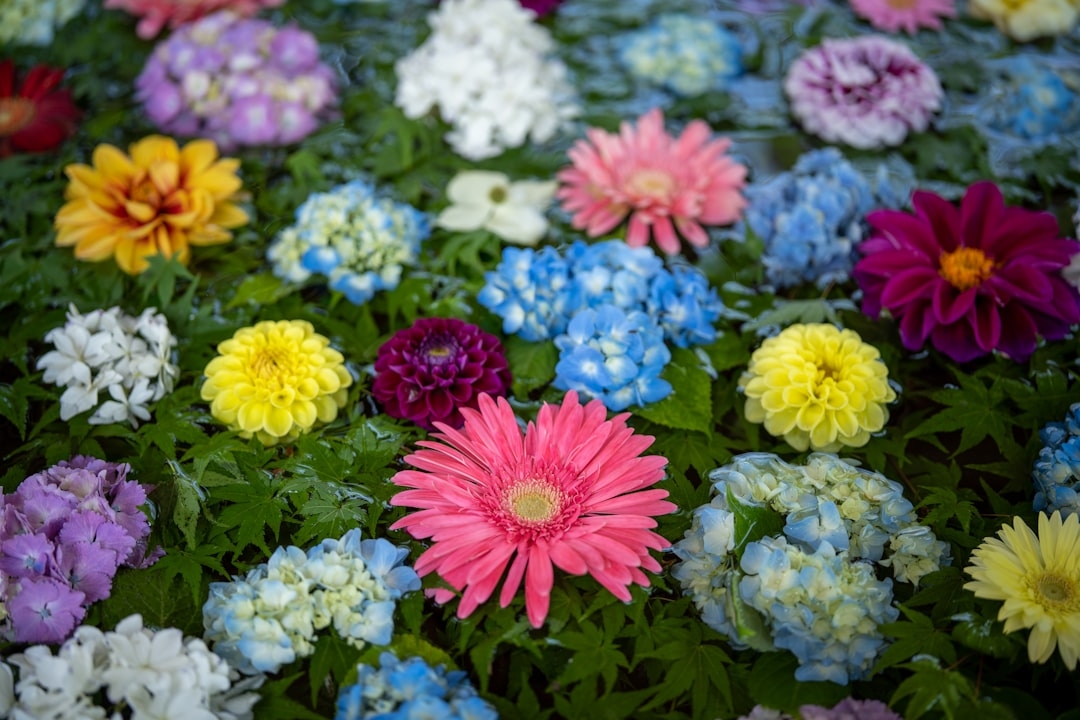
Gerbera daisies are perennial in Zones 8–11 and treated as annuals elsewhere, but their real value for event planners is their year-round commercial availability. They come in over 40 colors, hold well in vases for 7–10 days with a flower food solution, and photograph exceptionally well under artificial event lighting. Wholesale pricing typically runs $1.50 to $3.00 per stem, making them one of the most budget-efficient continuously available blooms on the market.
4. Impatiens — The Shade-Lover That Keeps Giving
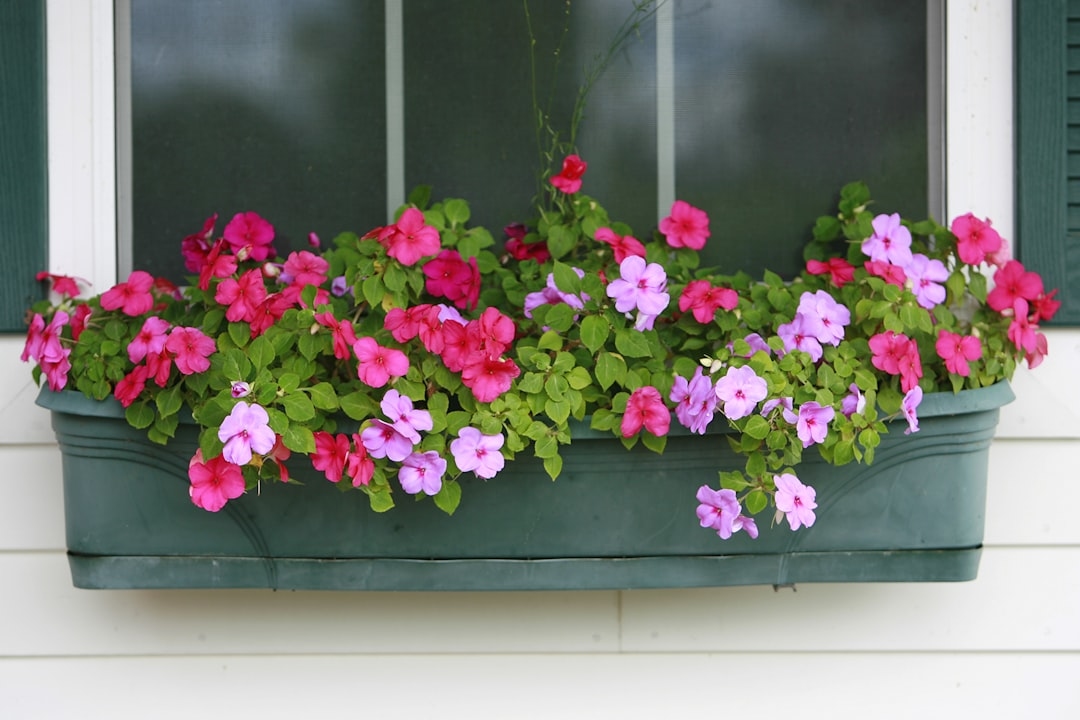
For shaded event spaces or garden beds without full sun, impatiens are unmatched. They bloom continuously from transplant until frost, requiring only consistent moisture and indirect light. The SunPatiens hybrid series extends this to full-sun environments. A single flat of 48 plants — costing around $18 to $25 — can fill a 10-foot garden border with color for an entire event season.
5. Calibrachoa — The Container Powerhouse
Often called “million bells,” calibrachoa produces hundreds of tiny petunia-like flowers from spring through fall without deadheading. It’s self-cleaning, meaning spent blooms drop on their own. In hanging baskets or container arrangements for outdoor events, calibrachoa provides cascading color that lasts the duration of any multi-day event. It performs best in Zones 9–11 as a perennial but thrives as an annual across all US zones.
Flowers That Bloom All Year vs. Long-Season Bloomers: Know the Difference
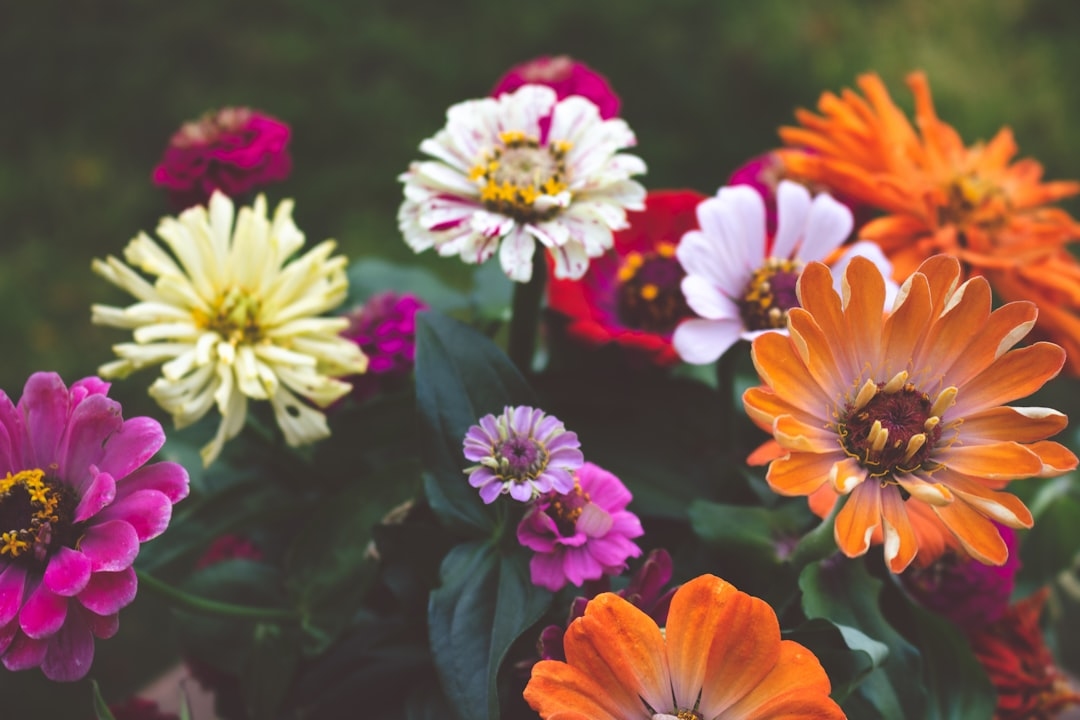
A common point of confusion: long-season bloomers are often marketed as “year-round flowers” but are technically distinct. Zinnias, for example, bloom prolifically from summer through frost — roughly 4 to 5 months — which is impressive but not year-round. Similarly, black-eyed Susans bloom for 6 to 8 weeks in summer. These are excellent choices for event gardens during their peak, but they can’t anchor a design that needs consistent color in January or February in Zone 6.
True year-round bloomers for cut flower sourcing — like roses, gerberas, and carnations — are maintained in climate-controlled greenhouse environments by commercial growers, which is why they’re available at your florist regardless of the season outside. When building an event flower plan, it’s worth distinguishing between garden performance (what blooms in your soil) and commercial availability (what your florist can reliably source).
Sustainable Choices: Eco-Friendly Year-Round Flowers
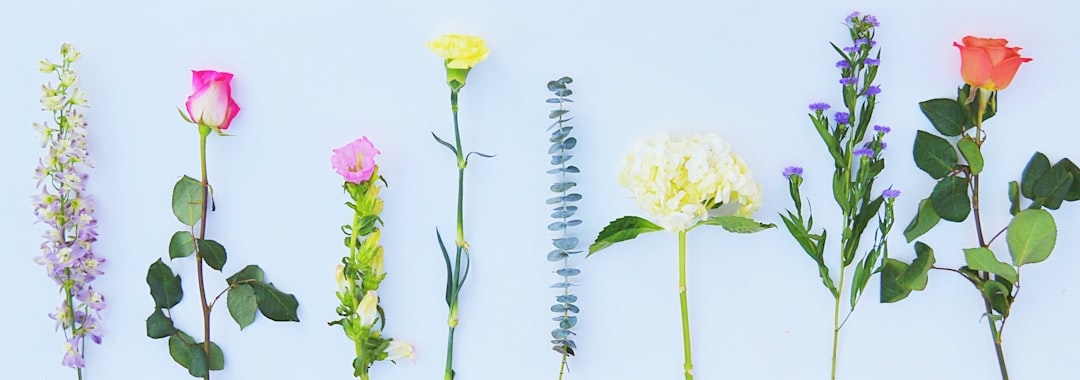
The US cut flower industry imports roughly 80% of its flowers, primarily from Colombia, Ecuador, and the Netherlands. The carbon footprint of a single imported rose stem — including cold chain logistics — is estimated at around 6 grams of CO₂, compared to 35 grams for a domestically grown, heated-greenhouse rose out of season. The counterintuitive truth: a Colombian-grown rose flown to Miami in February may have a lower carbon impact than a locally grown one raised in a heated greenhouse in January.
For eco-conscious event planning, consider:
- Locally grown seasonal blooms sourced from regional farms through platforms like Slow Flowers or your state’s cut flower grower directory.
- Certified sustainable imports bearing Rainforest Alliance, Fair Trade USA, or VeriFlora labels.
- Potted plants instead of cut flowers — lantana, calibrachoa, and impatiens can be repotted or donated after an event, extending their life rather than ending in the compost bin.
Practical Tips for Year-Round Flower Planning
- Book your florist 3 to 6 months out for large events — even commercially available blooms like roses can face supply crunches around Valentine’s Day and Mother’s Day, which drives wholesale prices up 30–50%.
- Ask for “shoulder season” alternatives — your florist can suggest species with similar color palettes that are in peak supply during your event month, often at lower cost.
- Mix cut flowers with potted bloomers — pairing long-vase-life cut flowers (gerberas, roses) with potted calibrachoa or impatiens in your arrangements creates visual continuity and reduces total stem count.
- Use flower food religiously — a packet of commercial floral preservative extends vase life by 2 to 3 days on average, according to the Society of American Florists.
- Condition flowers for 24 hours before your event — re-cut stems at a 45-degree angle, remove foliage below the waterline, and keep in a cool room (ideally 34–38°F) overnight.
FAQ: Flowers That Bloom All Year
What flowers bloom all year in the US?
In warm climates (USDA Zones 9–11), roses, lantana, gerbera daisies, and calibrachoa can bloom nearly year-round outdoors. Across all US zones, roses, gerberas, and carnations are available year-round as commercial cut flowers from florists and wholesalers.
What is the longest-blooming perennial flower?
Coneflower (Echinacea) and black-eyed Susan bloom for 6–8 weeks in summer, but for the longest continuous bloom among perennials, reblooming daylilies and Knock Out Roses — which flower from spring through frost — are top contenders in most US regions.
Can I have year-round flowers in a cold climate like Zone 5 or 6?
Outdoors, true year-round blooming isn’t possible in Zones 5–6 due to winter dormancy. However, you can achieve year-round color indoors with African violets, peace lilies, and anthuriums, which bloom continuously as houseplants. For events in any season, commercially grown cut flowers are available regardless of your local climate.
Are year-round blooming flowers more expensive?
Not necessarily. Gerbera daisies and carnations — both commercially available year-round — are among the most affordable cut flowers, typically $1.50–$3.50 per stem wholesale. Out-of-season specialty blooms like peonies or sweet peas carry a premium; year-round staples like roses and gerberas remain relatively price-stable outside of major floral holidays.
What’s the most low-maintenance flower that blooms all year?
For gardens in Zones 8–11, lantana is exceptionally low-maintenance — drought-tolerant, self-cleaning, and continuously blooming with almost no intervention. For container gardening anywhere in the US, calibrachoa (million bells) requires only regular watering and monthly fertilizing to bloom from spring through frost without deadheading.
Plan Your Flowers Around the Full Calendar
The right flowers don’t just fill a vase — they anchor the atmosphere of an entire event. Now that you know which flowers bloom all year (and which ones only seem to), you can build a sourcing plan that’s both visually reliable and budget-smart. Start by identifying your event date, your USDA hardiness zone if you’re using garden plants, and your sustainability priorities. Then connect with a local florist or wholesale supplier at least a season ahead to lock in availability.
Your next step: use the Slow Flowers florist directory to find a domestic grower near you, or ask your current florist which certified sustainable year-round blooms they stock regularly. A little planning now means color — reliable, gorgeous, intentional color — every single month.