



Contents:
- Why Speed Matters in Kids’ Gardening
- The Best Fast Growing Flowers for Kids (With Bloom Times)
- Sunflowers: The Classic for Good Reason
- Zinnias: Color in Under 8 Weeks
- Nasturtiums: Edible, Fast, and Nearly Foolproof
- Marigolds: Science Class in a Seed Packet
- Sweet Alyssum: The Carpet Flower
- Practical Tips for Gardening With Kids on a Budget
- The Eco-Friendly Angle: Teaching Sustainability From the First Seed
- FAQ: Fast Growing Flowers for Kids
- What flower grows the fastest for kids to see results?
- What flowers can kids grow in pots or containers?
- Are any fast-growing flowers safe for children to eat?
- When should kids plant fast-growing flowers in the US?
- How can I keep kids engaged while waiting for flowers to bloom?
- Start Small, Plant Now
What’s the point of planting a garden with a child if they lose interest before anything blooms? Attention spans are short, summers are finite, and kids need results they can see. The good news: plant science is on your side.
The fastest flowering plants for kids include sunflowers (blooms in 50–60 days), zinnias (45–55 days), nasturtiums (35–52 days), and marigolds (45–50 days). All germinate visibly within 5–10 days, cost under $3 per seed packet, and thrive in average US garden conditions. Nasturtiums and sunflowers are especially rewarding because kids can eat them too.
Why Speed Matters in Kids’ Gardening
Child development research consistently shows that delayed gratification becomes easier around age 7–8. For younger children, a 12-week wait for blooms is essentially forever. The sweet spot is any flower that shows visible germination within one week and produces its first bloom within 45–60 days of planting.
Fast growing flowers for kids aren’t just a convenience — they’re a pedagogical tool. Watching a seed crack open and send up a shoot in 5 days creates a concrete cause-and-effect loop that abstract biology lessons can’t replicate. Choose wrong, and you’re staring at bare soil until Labor Day.
The Best Fast Growing Flowers for Kids (With Bloom Times)
Sunflowers: The Classic for Good Reason
Few plants deliver drama like a sunflower. ‘Sunspot’ and ‘Teddy Bear’ dwarf varieties reach full bloom in 50–60 days and top out at 2 feet — manageable for small hands and shallow containers. Standard tall varieties like ‘Mammoth Russian’ take 70–80 days but reward patience with heads up to 12 inches across. Plant seeds 1 inch deep, and expect germination in 5–10 days in soil temperatures above 55°F.
Budget note: A packet of 50 sunflower seeds runs $2–$3 at most garden centers. That’s a full season of excitement for under the cost of a candy bar.
Zinnias: Color in Under 8 Weeks
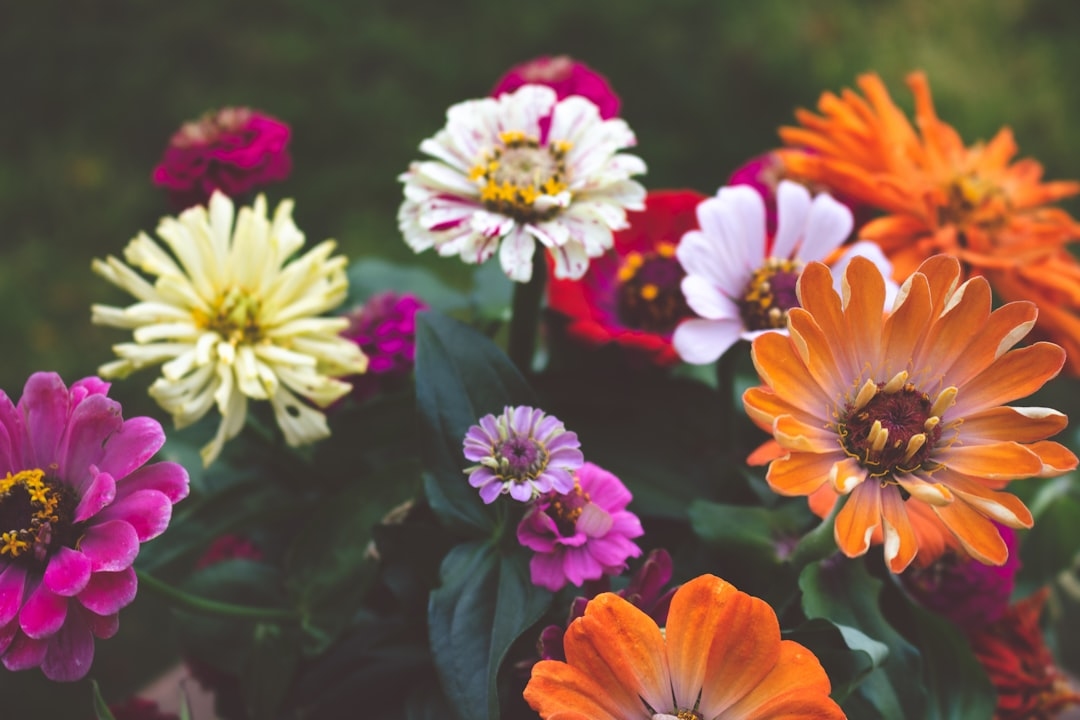
Zinnias are arguably the single best fast growing flower for kids in terms of color payoff. They bloom in 45–55 days from seed, come in virtually every color except blue, and keep producing all summer if deadheaded. Direct sow after last frost — they hate transplanting. Germination happens in 5–7 days at 70–80°F soil temperature.
‘Profusion’ series zinnias are disease-resistant and especially low-maintenance, making them forgiving for beginner gardeners. A 100-seed packet typically costs $2.50–$4.
Nasturtiums: Edible, Fast, and Nearly Foolproof
Nasturtiums germinate in just 7–12 days and bloom within 35–52 days — among the fastest of any annual flower. More importantly, both the flowers and leaves are edible, with a peppery flavor similar to watercress. This transforms the garden into a snack experience, which dramatically increases a child’s investment in the plant’s success.
Plant seeds directly in poor-to-average soil. Counterintuitively, rich soil produces more leaves than flowers. They thrive in USDA zones 2–11 as warm-season annuals. Seeds cost around $2–$3 per packet and each seed is large enough for small fingers to handle easily.
Marigolds: Science Class in a Seed Packet
French marigolds (Tagetes patula) bloom in 45–50 days and have the added benefit of repelling aphids and nematodes from neighboring vegetable plants — a genuine lesson in companion planting. The pungent scent is polarizing for adults but fascinating to kids. Germination takes 5–7 days; expect flowers by mid-summer from a May planting in most US zones.
Seeds cost $1.50–$3 per packet. For an extra project, let the spent flower heads dry on the plant and harvest seeds for next year — free plants, and a lesson in the plant life cycle.
Sweet Alyssum: The Carpet Flower
Alyssum blooms in as few as 45 days and spreads low to the ground in a honey-scented mat. It’s ideal for container edges or border paths where kids can touch and smell it up close. Direct sow on the soil surface — seeds need light to germinate. At $2–$3 a packet, it’s an affordable filler that punches above its weight in sensory appeal.

Practical Tips for Gardening With Kids on a Budget
- Start with large seeds. Sunflower, nasturtium, and bean seeds are large enough for 3-year-olds to handle without adult help. Fine seeds like alyssum can be mixed with sand for easier distribution.
- Use clear plastic cups first. Germinating seeds in clear disposable cups (about $3 for 50) lets kids watch roots form underground — a level of observation an opaque pot can’t offer.
- Label with photos, not just words. Cut the front panel off the seed packet and tape it to a popsicle stick. Young children who can’t read yet can still track “their” plant.
- Total starter budget: Four seed packets (zinnias, sunflowers, nasturtiums, marigolds) + a bag of potting mix + plastic cups comes to roughly $15–$20. That covers a full summer garden.
The Eco-Friendly Angle: Teaching Sustainability From the First Seed
Choosing open-pollinated or heirloom seed varieties — rather than hybrid F1 types — lets kids collect and save seeds at the end of the season. Nasturtiums, marigolds, and zinnias are all excellent candidates for seed saving. A single marigold plant can yield 50–100 seeds. That’s next year’s garden for free, and a lesson in resource cycles that sticks far better than a classroom slideshow.
Going organic costs almost nothing at the seed stage. Most of these annuals don’t require pesticides when grown in appropriate conditions, and choosing OMRI-listed potting mix (typically $1–$2 more per bag) keeps the growing environment clean for kids who inevitably get their hands — and sometimes mouths — involved.
FAQ: Fast Growing Flowers for Kids
What flower grows the fastest for kids to see results?
Nasturtiums are among the quickest, germinating in 7–12 days and blooming in 35–52 days from seed. Sunflowers show visible sprouts within 5–10 days and are large enough for kids to track daily growth with a ruler.
What flowers can kids grow in pots or containers?
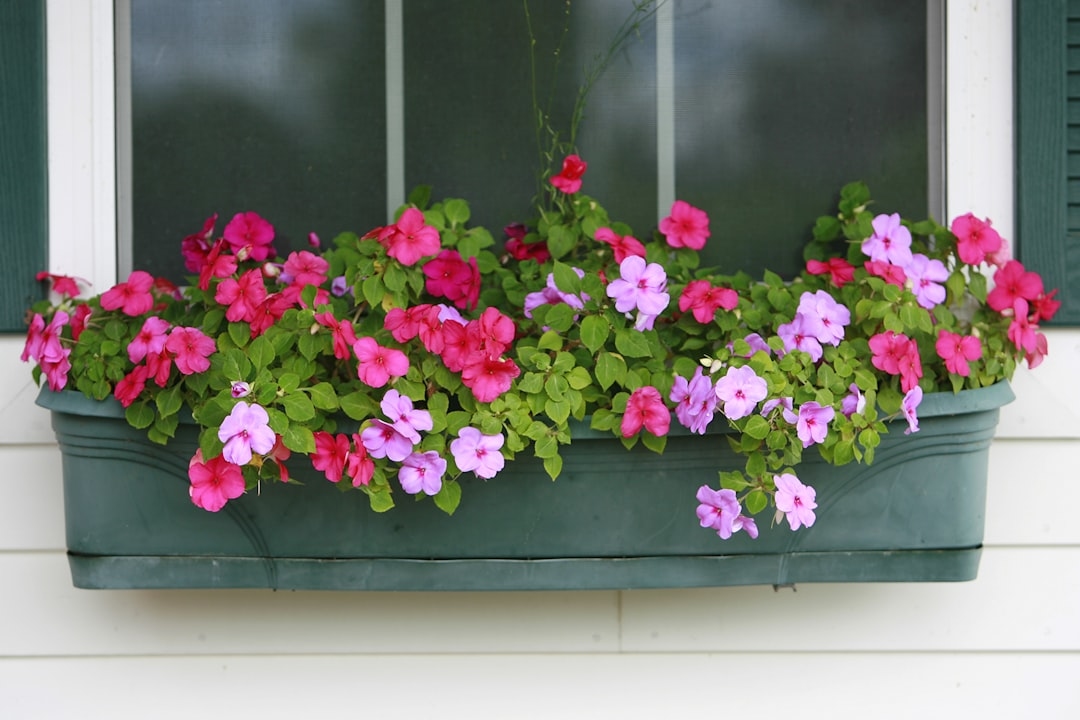
Dwarf sunflowers (‘Teddy Bear’, ‘Sunspot’), French marigolds, zinnias, and sweet alyssum all grow well in containers with at least 6 inches of depth. Nasturtiums are especially suited to window boxes and hanging baskets.
Are any fast-growing flowers safe for children to eat?
Yes. Nasturtium flowers and leaves are fully edible and safe for children. Viola and pansy flowers are also edible. Always verify before consumption, and avoid any flower grown with non-food-safe pesticides.
When should kids plant fast-growing flowers in the US?
Most fast-growing annuals should be direct-sown outdoors after the last frost date, which ranges from late March in USDA zone 8 to late May in zones 4–5. Check your local extension service for exact dates by zip code.
How can I keep kids engaged while waiting for flowers to bloom?
Give each child one clear cup with a seed against the side so they can watch root and shoot development daily. Keep a simple growth journal with daily measurements — sunflowers can grow 1–2 inches per day in warm weather, which is visual enough to stay exciting.
Start Small, Plant Now
You don’t need a raised bed or a landscaping budget. A $3 packet of nasturtium seeds, a sunny windowsill, and a clear cup is enough to start. Pick one or two varieties from this list, direct sow after your last frost date, and let the plant do the teaching. By the time school gets out, there will be something worth photographing — and probably something worth eating.