
Contents:
- Why Companion Planting With Lavender Works So Well
- The Best Flowers That Pair With Lavender by Color and Style
- Roses — The Classic Pairing
- Echinacea (Coneflower) — The Prairie Partner
- Salvia — The Purple-on-Purple Play
- Yarrow — Height, Texture, and Drama
- Black-Eyed Susan — Late-Season Warmth
- Catmint — The Softest Edge
- Russian Sage — The Airy Backdrop
- A Seasonal Bloom Calendar for Lavender Companion Plants
- Practical Tips for Planting Lavender Combinations
- Match the Soil Needs First
- Think About Plant Height in Layers
- Leave Room to Breathe
- Buy in Odd Numbers for Visual Impact
- Frequently Asked Questions
- What colors look best with lavender in a garden?
- Can lavender grow with roses?
- What should you not plant next to lavender?
- Does lavender attract more pollinators when paired with other flowers?
- How many lavender plants do I need for a full garden bed?
- Ready to Plan Your Lavender Garden?
You’ve planted a row of lavender, it’s blooming beautifully, and now the rest of the bed looks a little… bare. Or maybe you’re starting from scratch and want that dreamy cottage garden vibe—purple spikes, soft textures, butterflies. Either way, figuring out which flowers pair with lavender well is the first step to a garden that looks intentional rather than accidental.
The good news: lavender is one of the most versatile plants in the garden. It plays well with dozens of companions. The trick is knowing which ones thrive in the same conditions—full sun, lean soil, and minimal water once established—and which ones will quietly struggle next to it.
Why Companion Planting With Lavender Works So Well
Lavender is native to the Mediterranean, which means it evolved in hot, dry, rocky hillsides with excellent drainage. Plants that come from similar climates—think Spain, southern France, the American Southwest—tend to be its best companions. They don’t compete aggressively for resources, and they rarely need different care routines.
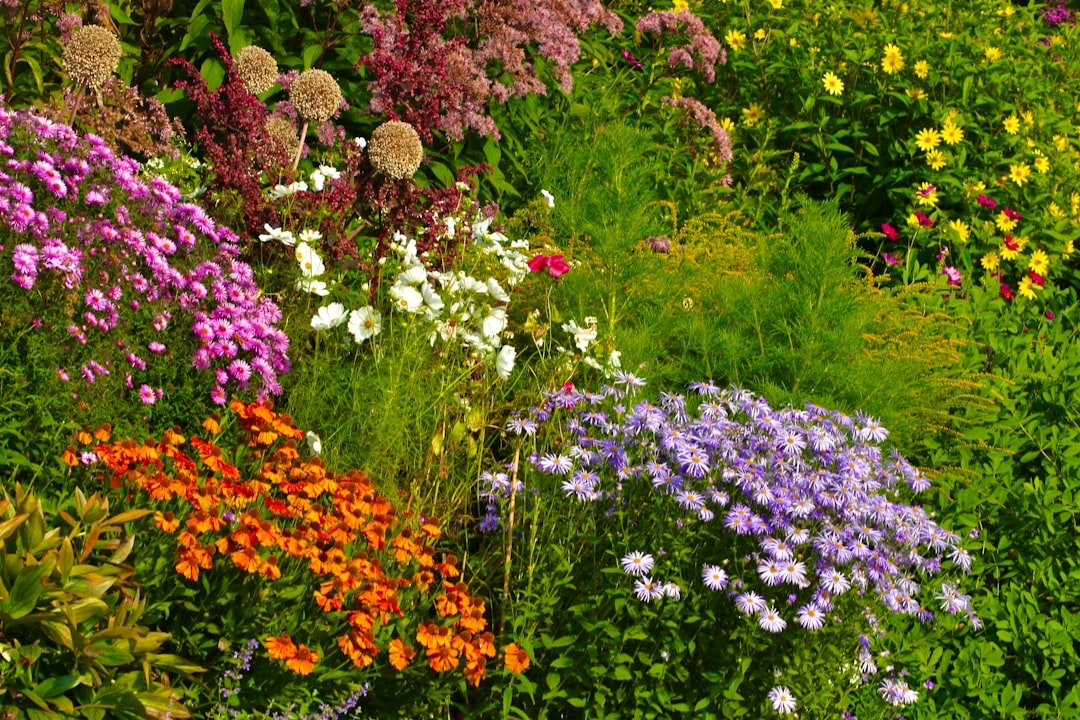
Beyond practicality, lavender’s silvery-green foliage and vertical flower spikes create a natural backdrop. Most companion plants pop against it. Warm tones like orange and yellow feel bold and sunny. Pinks and whites feel soft and romantic. Cool blues and purples create a monochromatic depth that looks expensive without costing much.
The Best Flowers That Pair With Lavender by Color and Style
Roses — The Classic Pairing
Few combinations are as reliably beautiful as lavender and roses. The pairing has been a staple of English cottage gardens since the 17th century. Choose shrub roses or old-fashioned varieties like ‘David Austin’ types—they tend to be more drought-tolerant than modern hybrid teas. Pink and white roses are the most popular choices, but soft peach or coral works surprisingly well too.
For spacing, plant roses at least 3 feet from lavender to allow airflow and prevent fungal issues on both plants. In USDA zones 5–9, this combination blooms together from late May through July.
Echinacea (Coneflower) — The Prairie Partner
Echinacea purpurea is arguably lavender’s best perennial companion in American gardens. Both are drought-tolerant, pollinator magnets, and deer-resistant. The daisy-like coneflower heads—available in purple, pink, white, and orange—contrast beautifully with lavender’s upright spikes. Plant echinacea 18–24 inches apart in groups of 3 or 5 for the most natural look. It blooms from June through September, extending your garden’s color well past lavender’s peak.
Salvia — The Purple-on-Purple Play
Using salvia alongside lavender sounds redundant, but it isn’t. Salvia nemorosa ‘Caradonna’ or ‘May Night’ produces deep violet spikes that are shorter and more compact than lavender, creating a layered effect. The bloom times overlap from May into July, and both attract the same pollinators. In zones 4–8, this combination is almost maintenance-free once established.
Yarrow — Height, Texture, and Drama
Achillea millefolium (common yarrow) brings flat-topped flower clusters in yellow, red, pink, or white—shapes that contrast perfectly with lavender’s vertical habit. Yellow yarrow (‘Moonshine’ is a classic) next to purple lavender is one of the most recommended color combinations in landscape design, offering complementary contrast on the color wheel. Yarrow grows 2–3 feet tall and spreads easily, so give it room.
Black-Eyed Susan — Late-Season Warmth
Rudbeckia hirta blooms from July through October, picking up right as lavender begins to fade. The golden-yellow petals with dark centers bring warmth to a bed that could otherwise look tired in late summer. Both plants thrive in lean, well-drained soil. In zones 4–9, black-eyed Susans self-seed reliably, so you get more plants every year for free.
Catmint — The Softest Edge
Nepeta x faassenii (catmint) is lavender’s quieter cousin—same silvery leaves, same purple-blue flowers, same love of sun. Used as a border or edging plant in front of lavender, it creates a seamless, layered look. ‘Walker’s Low’ grows about 18 inches tall and spreads to 24–36 inches. It blooms in May–June, goes a bit dormant in heat, then often reblooms in fall.
Russian Sage — The Airy Backdrop
Perovskia atriplicifolia (technically a subshrub, not a sage) grows 3–5 feet tall with wispy silver stems and small lavender-blue flowers. Planted behind true lavender, it creates a dreamy, hazy effect. It’s one of the most heat- and drought-tolerant perennials available, thriving in zones 4–9, and it blooms from July to October—long after most lavenders have finished.
A Seasonal Bloom Calendar for Lavender Companion Plants
- April–May: Catmint, salvia, and alliums begin blooming—plant these near lavender for early-season color before the lavender spikes fully emerge.
- May–July: Peak lavender season. Roses, salvia, yarrow, and echinacea all overlap here. This is your window for maximum impact.
- July–August: Lavender fades. Black-eyed Susans, Russian sage, and coneflower carry the bed through the heat.
- September–October: Asters in purple or pink echo lavender’s color palette and keep pollinators coming as temperatures drop.
- Winter: Lavender’s silvery stems and dried seed heads add structure. Pair with ornamental grasses like blue oat grass (Helictotrichon sempervirens) for year-round texture.
Practical Tips for Planting Lavender Combinations
Match the Soil Needs First
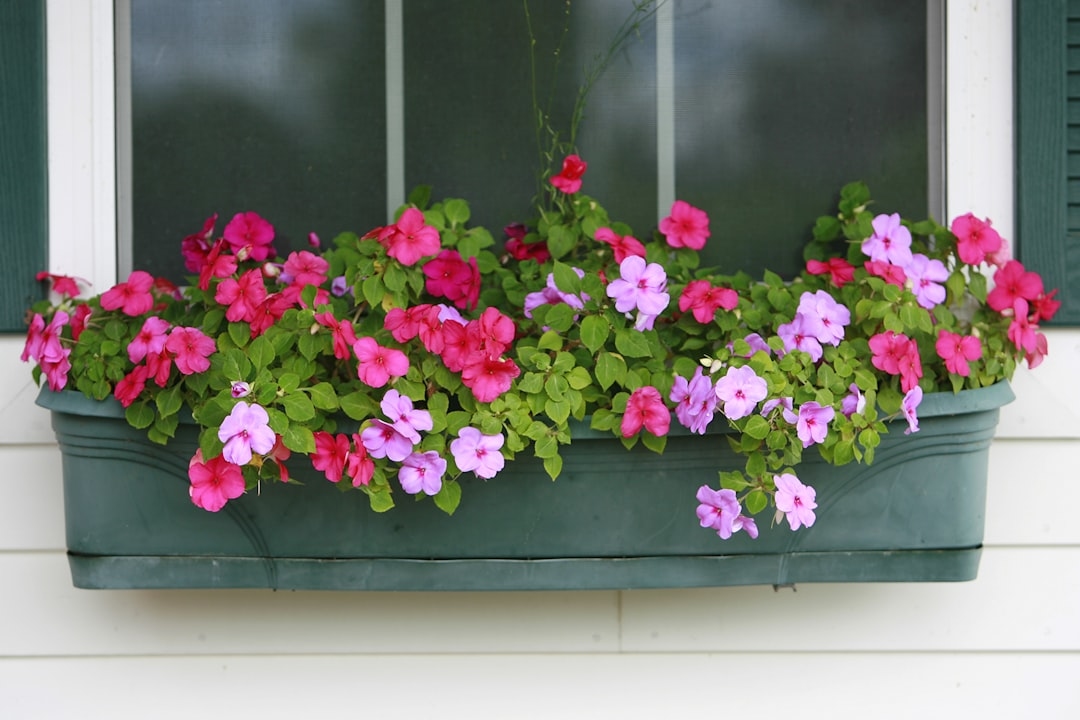
Lavender demands fast drainage—standing water kills it quickly. If you’re planting in heavy clay, amend with coarse sand and gravel, or build a raised bed. All the companions listed above prefer similar conditions, but avoid pairing lavender with moisture-lovers like astilbe, hostas, or impatiens. Those plants need consistently moist soil and will either drown lavender or fail themselves.
Think About Plant Height in Layers
Standard English lavender (Lavandula angustifolia) reaches 18–24 inches tall. Use shorter plants—catmint, low-growing thyme, or dwarf alliums—in front, and taller companions—Russian sage, ornamental grasses, or tall echinacea—behind. This three-tier structure (front, middle, back) is the backbone of every well-designed perennial bed.
Leave Room to Breathe
Lavender is prone to woody die-back and fungal disease in humid climates. Space plants at least 24–36 inches apart, and keep aggressive spreaders like yarrow or catmint from crowding the base of the lavender. Good airflow is more important than you’d think, especially in zones 7–9 where summer humidity is high.
Buy in Odd Numbers for Visual Impact
When purchasing companions at a nursery or online, plan to spend $8–$15 per perennial plant at retail. Buying in sets of 3 or 5 of the same variety creates the density needed for the plant to read as a “mass” rather than a dot. One coneflower surrounded by lavender looks lost. Five coneflowers look intentional.
Frequently Asked Questions
What colors look best with lavender in a garden?
Purple lavender pairs best with yellow (yarrow, black-eyed Susan), pink (roses, echinacea), white (white salvia, Shasta daisy), and silver-blue (Russian sage, catmint). Avoid very dark reds, which can clash with purple tones in direct sunlight.
Can lavender grow with roses?
Yes. Roses and lavender are classic companions in cottage and formal gardens. Both prefer full sun and well-drained soil. Choose shrub roses over hybrid teas for better drought tolerance, and space them at least 3 feet apart for airflow.
What should you not plant next to lavender?
Avoid moisture-loving plants like hostas, astilbe, impatiens, and mint. These need consistently moist soil that will cause lavender roots to rot. Also avoid aggressive spreaders like spearmint that can crowd lavender’s base and reduce airflow.
Does lavender attract more pollinators when paired with other flowers?
Yes. Studies from the University of Sussex found that lavender is among the top three plants for honeybee foraging. Pairing it with echinacea, salvia, and catmint—all strong pollinator plants—creates a continuous bloom sequence that supports bees and butterflies from spring through fall.
How many lavender plants do I need for a full garden bed?
For a standard 4×8 foot bed, plant 6–8 lavender plants spaced 18–24 inches apart, then fill gaps with 3–5 companion plants like catmint or salvia. This gives enough density to look lush by the second growing season without overcrowding.
Ready to Plan Your Lavender Garden?
The most rewarding gardens aren’t planted all at once—they evolve. Start with two or three lavender plants and one strong companion like catmint or echinacea. See what thrives in your specific soil and light. Add a rose or some Russian sage next season. By year three, you’ll have something that looks like it took a professional to design.
Sketch your bed on paper before you buy a single plant. Note where the sun hits longest, where water pools after rain, and how tall each plant will get at maturity. That 10-minute exercise saves money, replanting, and frustration. Your lavender bed is worth it.