



Contents:
- Why Some Flowers Work as Natural Mosquito Repellents
- The Best Flowers That Repel Mosquitoes
- Lavender (Lavandula angustifolia)
- Marigolds (Tagetes spp.)
- Pennyroyal (Mentha pulegium)
- Catmint (Nepeta spp.)
- Scented Geraniums (Pelargonium spp.)
- A Reader Story: From Mosquito Magnet to Backyard Haven
- Seasonal Planting Calendar for Maximum Coverage
- Budget Breakdown: Building a Repellent Garden
- Practical Tips for Getting the Most from Repellent Flowers
- Frequently Asked Questions
- Do flowers actually repel mosquitoes or is it a myth?
- What is the most effective mosquito-repelling flower?
- How many plants do I need to repel mosquitoes?
- Can I grow mosquito-repelling flowers in containers on a balcony?
- When should I plant mosquito-repelling flowers to be ready for summer?
- Build Your Repellent Garden Before Mosquito Season Peaks
Mosquitoes locate their targets from up to 164 feet away using carbon dioxide and body odor — but certain flowering plants can chemically confuse or repel them before they ever reach you. Using flowers to repel mosquitoes isn’t folklore; it’s grounded in decades of entomological research. The right plants release volatile organic compounds (VOCs) that mask the scents mosquitoes track. Plant enough of them strategically, and your garden becomes genuinely hostile territory for Aedes aegypti and its cousins.
Why Some Flowers Work as Natural Mosquito Repellents
Plants produce aromatic compounds primarily for their own defense — to deter herbivores and attract pollinators. Several of those same compounds, including linalool, citronellal, and camphor, have measurable repellent effects on mosquitoes. A 2011 study published in the journal Malaria Journal found that certain plant-derived compounds reduced mosquito landing rates by 40–80% compared to untreated control areas. The key is VOC concentration: a plant in a pot on a porch releases far fewer compounds than a dense border planting in a garden bed.
Heat amplifies VOC release. On warm summer afternoons, the same lavender bush that smells faintly cool on a May morning can release two to three times more aromatic compounds by July. Placement near seating areas — where body heat and CO₂ already accumulate — maximizes the benefit.
The Best Flowers That Repel Mosquitoes
Lavender (Lavandula angustifolia)
Lavender contains linalool and linalool oxide, compounds shown in multiple studies to reduce mosquito activity. It thrives in USDA Hardiness Zones 5–8, prefers full sun and well-drained soil, and blooms from late June through August. A single established plant costs $6–$12 at most garden centers. Plant in clusters of three or more for meaningful scent density. Bonus: lavender attracts bees and butterflies while repelling mosquitoes, aphids, and moths.
Marigolds (Tagetes spp.)
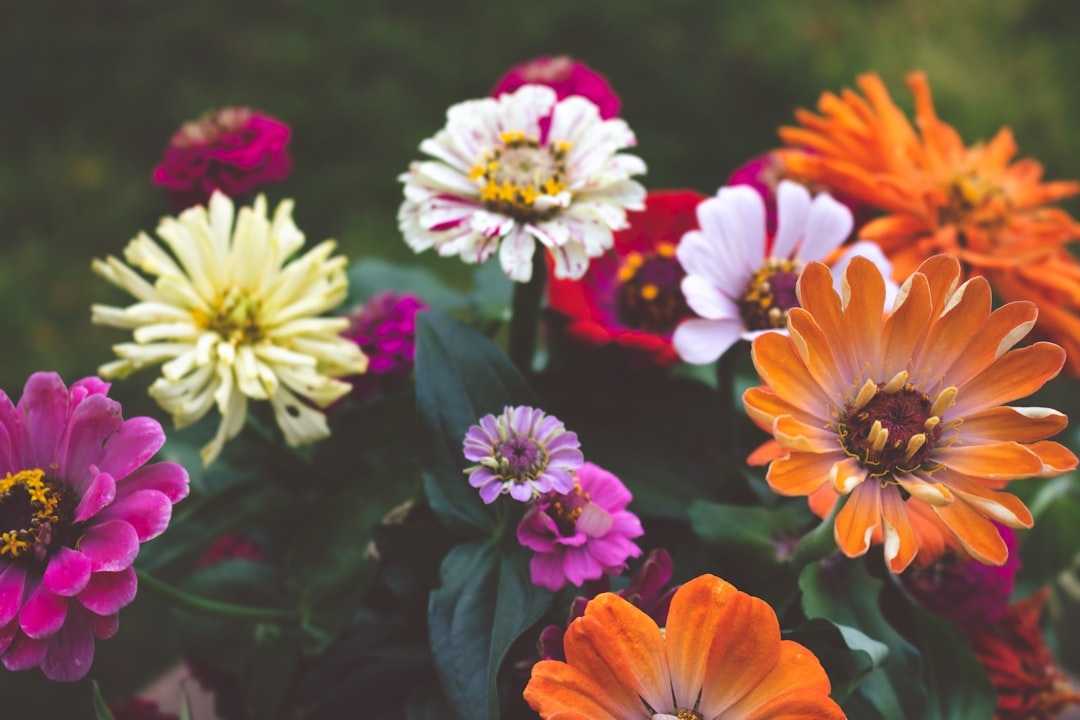
Few plants punch above their weight class like marigolds. They contain pyrethrum — the same compound used in commercial insect sprays — concentrated in their foliage and blooms. French marigolds (Tagetes patula) are particularly effective and cost as little as $1.50 per six-pack of seedlings. They bloom continuously from late May through the first hard frost, which in most of the US means five to six months of active coverage. Plant them in window boxes, along walkways, or as a border around patios.
Pennyroyal (Mentha pulegium)
Pennyroyal is the most potent mint-family repellent. Its primary compound, pulegone, is so concentrated that simply brushing the leaves releases a noticeable cloud of scent. Research from Auburn University found pennyroyal essential oil outperformed DEET in short-duration topical tests, though the plant form works differently than a direct application. Grow it in containers in Zones 5–9; it spreads aggressively in garden beds. Seedlings typically cost $3–$5. Note: keep away from pets, as pulegone is toxic to cats and dogs.
Catmint (Nepeta spp.)
A 2010 study by Iowa State University found that nepetalactone — the active compound in catmint — was roughly ten times more effective at repelling mosquitoes than DEET in laboratory conditions. In a real garden, that figure is lower, but the plant still performs well. Catmint blooms lavender-blue from May through September in Zones 3–8, requires almost no care once established, and costs $5–$9 per plant. It also deters aphids and Japanese beetles.
Scented Geraniums (Pelargonium spp.)
Citronella-scented geraniums (Pelargonium citrosum) are often marketed as “mosquito plants.” The marketing overpromises a little — the plant alone won’t clear a yard — but brushing or lightly crushing the leaves does release citronellal in quantities sufficient to deter mosquitoes in a small seating area. They grow as annuals across most of the US (Zone 9–11 for perennials) and retail for $4–$8 each at garden centers from April onward.
A Reader Story: From Mosquito Magnet to Backyard Haven
A reader from Nashville, Tennessee wrote to share how she transformed her unusable back deck. Every summer, mosquitoes from a neighbor’s low-lying yard made evenings outside miserable. Rather than spraying chemicals around her young children, she planted a U-shaped border of French marigolds and lavender around the deck perimeter — roughly 40 plants total, at a cost of about $35. By mid-July, she noticed a dramatic difference. “We sat outside until 9 p.m. last August,” she wrote. “That hadn’t happened in years.” She added two scented geraniums in pots beside the seating area the following spring. The combination isn’t a perfect shield, but it shifted the deck from unusable to genuinely enjoyable.
Seasonal Planting Calendar for Maximum Coverage
Timing your plantings ensures you have active repellent coverage during peak mosquito season — typically late May through September in most of the continental US.
- March–April: Start lavender and catmint indoors from seed, or purchase transplants. Plant outdoors after last frost date for your USDA zone.
- Late April–May: Set out marigold seedlings once nighttime temps stay above 50°F. This is also the window to find scented geraniums at garden centers.
- May: Plant pennyroyal in containers. Avoid direct ground planting unless you want aggressive spreading.
- June–August: Peak bloom and VOC release for most of these species. Deadhead marigolds weekly to extend bloom time and maintain scent production.
- September: Collect lavender seed heads for drying. In Zone 9+, scented geraniums can be overwintered indoors.
Budget Breakdown: Building a Repellent Garden
You don’t need to spend much. A functional mosquito-repellent border around a standard 12×12 ft patio can be assembled for under $60:
- French marigolds (2 six-packs): ~$3–$5
- Lavender (3 plants): ~$18–$24
- Catmint (2 plants): ~$10–$18
- Scented geranium (1–2 plants): ~$4–$16
- Potting mix or soil amendment: ~$8–$12
Total estimated cost: $43–$75. Lavender and catmint are perennials in most US zones, meaning your only recurring expense in subsequent years is marigold seedlings and geraniums — roughly $10–$15 per season.
Practical Tips for Getting the Most from Repellent Flowers
Planting these flowers is step one. Placement and density determine whether they actually work.
- Cluster, don’t scatter. A single lavender plant in a large yard has negligible effect. Groups of three or more create a scent zone dense enough to matter.
- Plant near airflow paths. VOCs disperse more effectively when there’s a light breeze. Position plants upwind of your seating area.
- Crush leaves before sitting outside. Gently rubbing marigold or pennyroyal leaves releases a burst of repellent compounds. It’s a cheap, immediate boost.
- Combine with standing water removal. Repellent plants reduce mosquito presence; eliminating breeding sites reduces the mosquito population itself. Both strategies together are significantly more effective than either alone.
- Don’t rely solely on potted plants. Container plants release fewer VOCs than in-ground plantings with larger root systems and more foliage mass.
Frequently Asked Questions
Do flowers actually repel mosquitoes or is it a myth?
Certain flowers do repel mosquitoes, but with caveats. Plants like marigolds, lavender, and catmint contain compounds scientifically shown to deter mosquitoes in controlled settings. In real-world gardens, the effect is real but partial — they reduce mosquito activity rather than eliminating it entirely. Dense plantings perform significantly better than isolated specimens.
What is the most effective mosquito-repelling flower?
Catmint (Nepeta spp.) has the strongest research backing, with its active compound nepetalactone showing repellent potency roughly ten times greater than DEET in laboratory tests. For practical garden use, a combination of catmint and French marigolds provides broad-spectrum coverage across multiple mosquito species.
How many plants do I need to repel mosquitoes?
For a 10×10 ft outdoor seating area, aim for a border of at least 15–20 marigold plants supplemented by 2–3 lavender or catmint plants. Density matters more than variety. More plants equal more VOC output, which equals a more effective scent barrier.
Can I grow mosquito-repelling flowers in containers on a balcony?
Yes, with realistic expectations. Container plants release fewer aromatic compounds than in-ground plantings, but scented geraniums, marigolds, and pennyroyal all perform reasonably well in pots. Place containers as close to seating as possible and crush leaves occasionally to stimulate VOC release.
When should I plant mosquito-repelling flowers to be ready for summer?
Plant marigolds and scented geraniums in late April to early May (after last frost). Set out lavender and catmint transplants at the same time — these perennials take one season to establish fully, so expect better performance in year two. By mid-June, most of these plants will be actively blooming and releasing repellent compounds through peak mosquito season.
Build Your Repellent Garden Before Mosquito Season Peaks
The window between your last frost date and Memorial Day weekend is the best time to act. Garden centers stock these plants heaviest in April and May — selection drops sharply by July, and prices often rise. A $50 investment in the right plants this spring can mean genuinely usable outdoor space from June through September. Start with French marigolds and one catmint plant if your budget is tight; add lavender and scented geraniums as you expand. Your future self, sitting outside on a warm August evening, will appreciate the planning.